
Last updated November 22, 2026
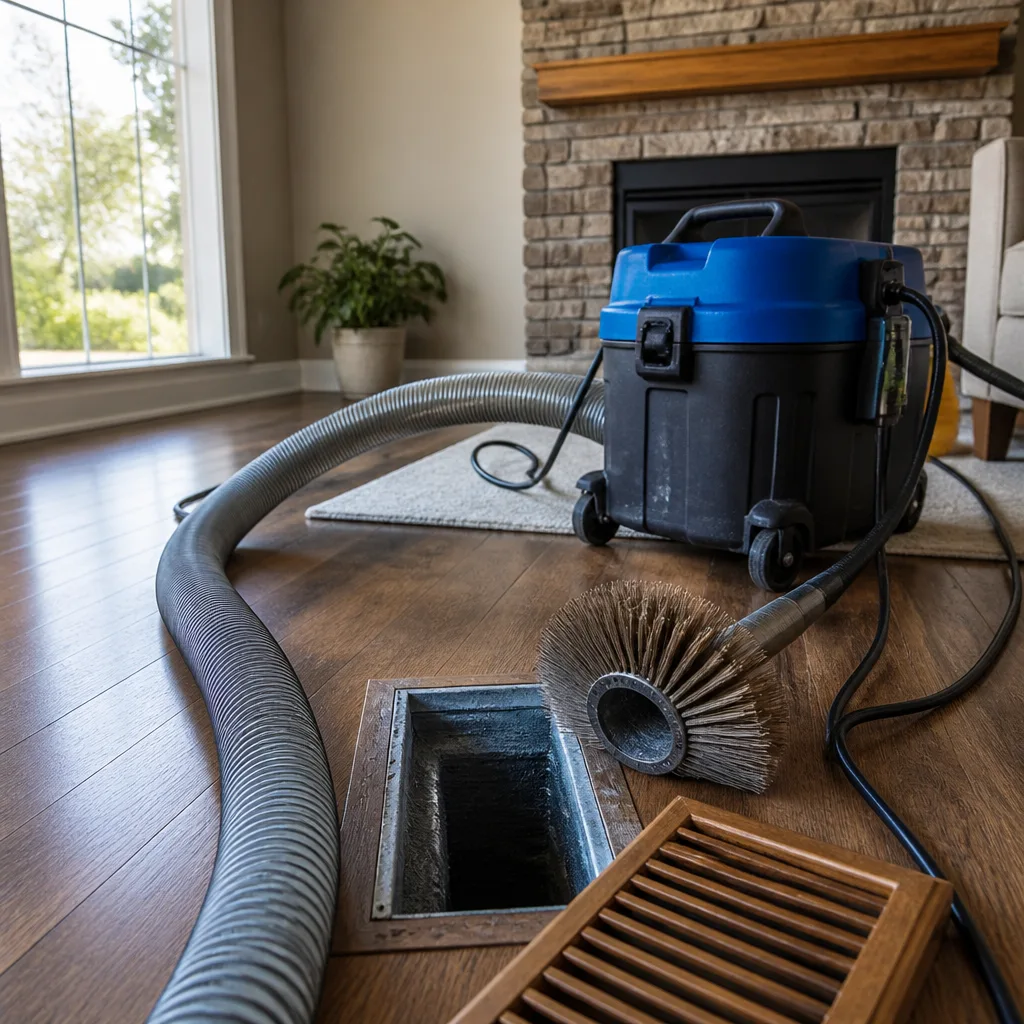 Whole-home duct cleaning
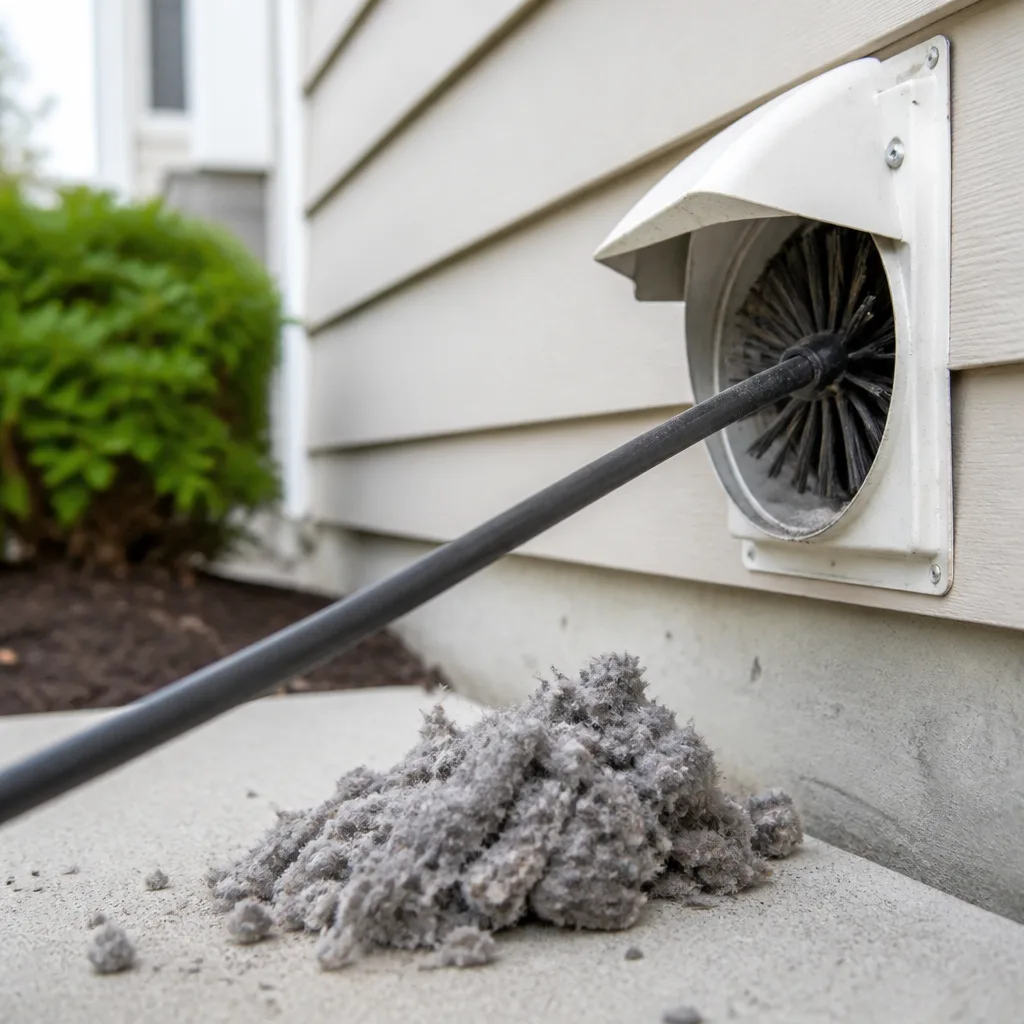 Dryer vent cleaning
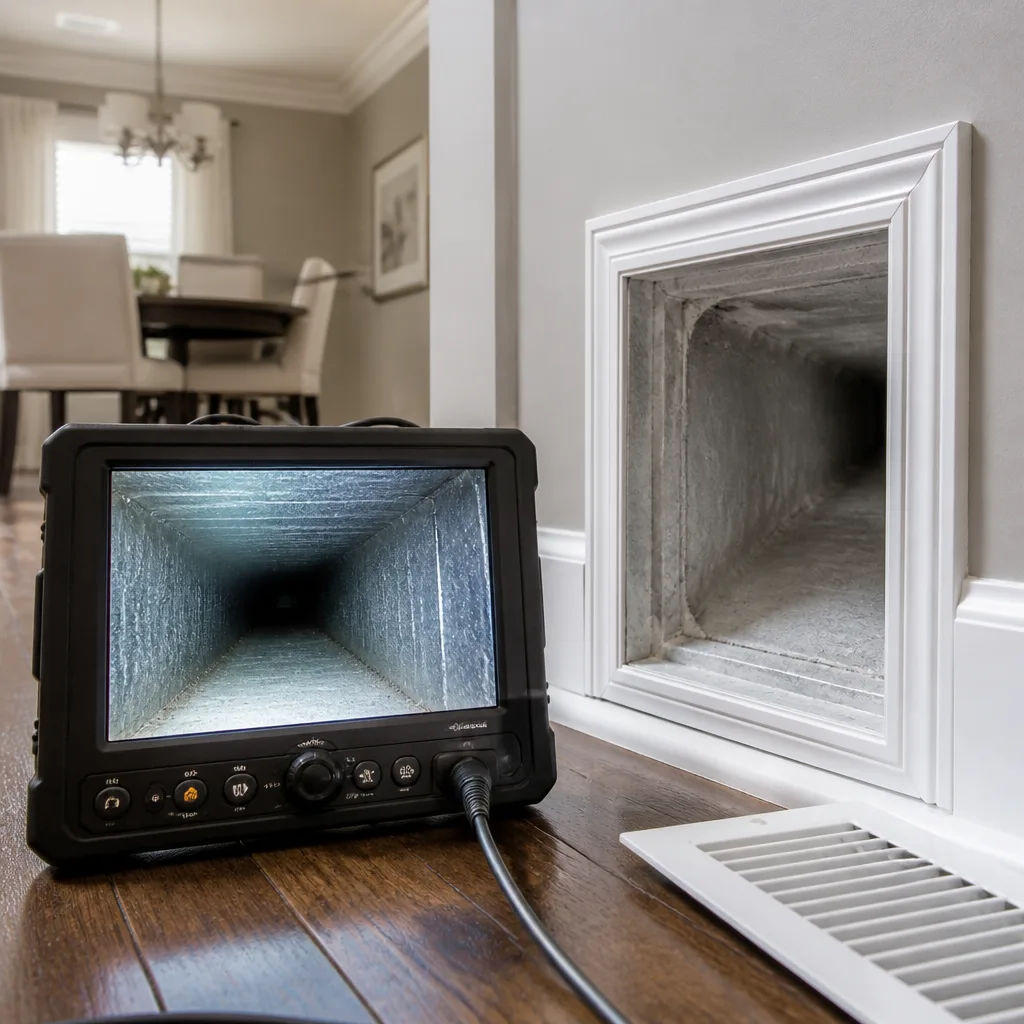 Camera inspection
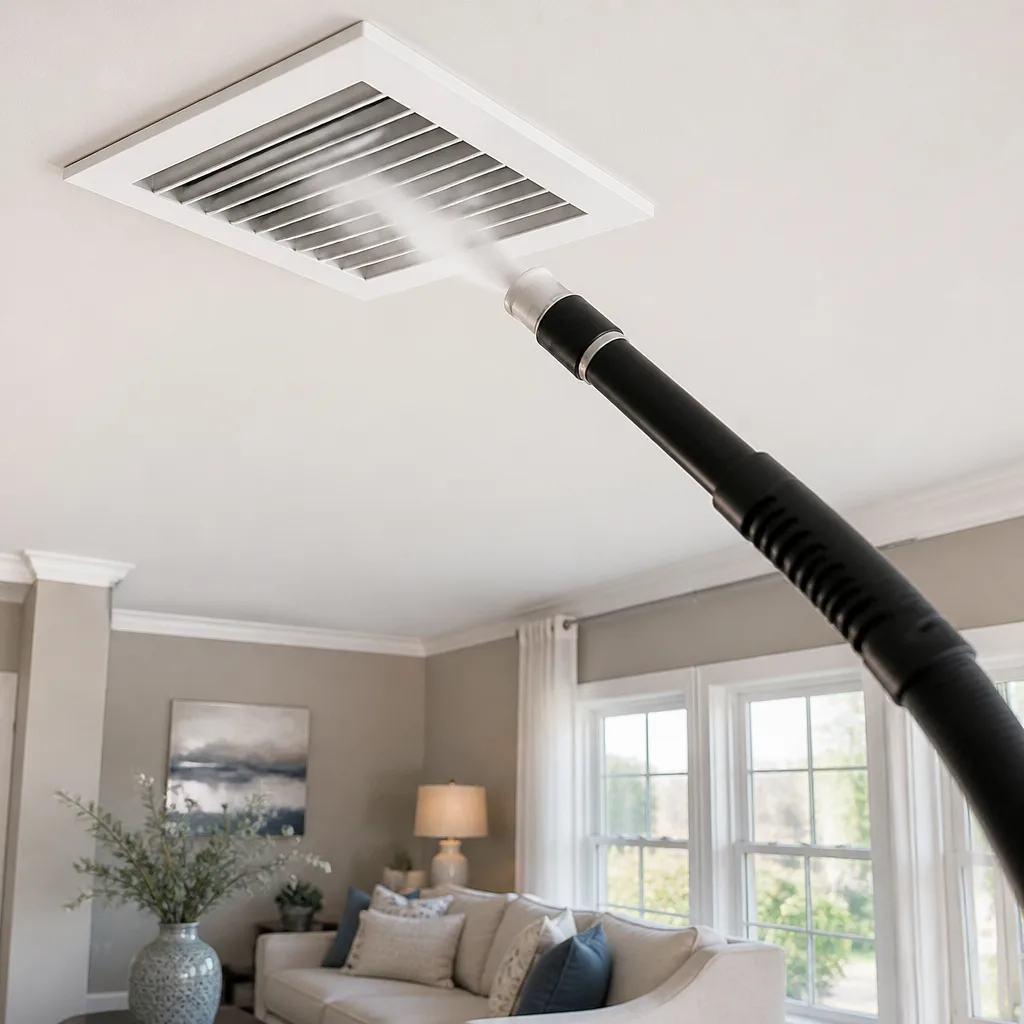 Sanitizing & deodorizing
Whole-system duct and dryer vent check with before-and-after photos - you see exactly what came out of your vents
That "$99 whole-house special" is a bait ad - the real number appears once they are in your hallway, or the "clean" is a shop-vac at the register. We photograph the inside of your ducts before and after instead.
Air Duct Cleaning Warning Signs: A Soundview Homeowner’s Reference Guide
A musty smell when the heat kicks on is not evidence of mold in your ducts. More often it’s dust burning off the heat exchanger, and actual mold inside ductwork frequently has no smell at all until airflow disturbs a colony. Those are two different problems with two different fixes, and treating one as the other wastes money. In this guide we walk through the warning signs that actually point to a duct problem in Soundview, how to tell them apart from ordinary house noise and seasonal dust, and which ones mean you should stop guessing and get the system looked at. Some of what we cover runs against what you’ll read in generic home improvement articles, which is the point.
Quick Answer
The real warning signs of a duct problem in Soundview are subtle and system-specific: odors that appear only when the air handler starts, rooms that never match the thermostat, dust patterns concentrated at certain registers, winter-only allergy flare-ups, and utility bills that climb as your filter gets dirtier. Dramatic symptoms like visible mold or a full clog are late-stage. Most Soundview homes we assess show the quiet signs first. If two or three of them line up, it’s worth a professional inspection rather than a blind cleaning.
Styles & brands we work with
- Whole-home duct cleaning
- Dryer vent cleaning
- Camera inspection
- Sanitizing & deodorizing
Table of Contents
- How to Tell Duct Odors from Air Handler and Drain Pan Odors
- What Uneven Room Temperatures Actually Indicate
- Reading Register Dust Patterns: Shape, Color, and Location
- Why Winter Allergy Symptoms Point to Duct Recirculation
- The Warning Sign Almost No Guide Mentions: Bills Tied to Filter Intervals
- Low Airflow and Weak Registers: What to Check First
- When It’s Contamination and When It’s Just Dust
- What a Real Duct Inspection Involves
How to Tell Duct Odors from Air Handler and Drain Pan Odors
The onset pattern of a smell tells you more than the smell itself. A duct-origin odor appears the moment the blower starts, before the air has traveled far, and tends to be musty or dusty rather than sharp. An air handler odor builds over the first minute as the heat exchanger warms, so it arrives after the fan and fades once the system settles. A drain pan odor is usually sour or sewer-like and stays in the mechanical closet regardless of whether the blower is running, because it’s coming from standing water, not moving air.
Here’s the practical test. Turn the system off and wait. Then turn it on and notice the timing:
- Smell at the exact second the fan engages: likely duct or register origin. Air is picking up settled debris immediately.
- Smell arriving 30 to 90 seconds after startup and fading: usually the heat exchanger burning off dust. This is common and not a duct-cleaning problem.
- Smell present even when the system is off, strongest near the mechanical closet: drain pan or condensate issue. Cleaning ducts won’t fix it.
- Smell that tracks with outdoor humidity: often a moisture source feeding fungal growth somewhere in the pathway. Worth a full inspection, not a guess.
Soundview homes with older mechanical closets tend to hold humidity in the closet more than in the living space, which is why a drain pan problem can smell much stronger next to the air handler than at the registers. That’s a plumbing and drainage question before it’s a duct question. We use Abatement Technologies air-purification equipment when sanitizing is genuinely warranted, but the source has to be identified first. Cleaning over an active moisture source just delays the return of the smell.
If you’re not sure which category your odor falls into, we can help you sort it out with an honest assessment. Start with air duct cleaning only if the pattern genuinely points to the ducts.
What Uneven Room Temperatures Actually Indicate
Uneven room temperatures usually indicate duct leakage or a damper failure, not a cleaning problem, and cleaning won’t fix them. This is the single most misdiagnosed symptom we run into. A room that runs hot in summer and cold in winter is telling you conditioned air is escaping before it arrives, or the balance of the system has shifted. Duct cleaning restores airflow through a clear path; it doesn’t seal a gap or reset a damper.
The onset pattern matters here too. Temperature imbalance that has always been there suggests a design or damper problem. Imbalance that appeared over a season or two points to a developed leak, a collapsed flex run, or a disconnected joint behind a wall. In Soundview’s mix of older homes and additions built onto original structures, we often find duct runs that were extended poorly, with fittings that never sealed right. That air loss is invisible until you look for it.
Two things to try before assuming a cleaning is the answer:
- Check whether the affected room’s register is fully open and whether the damper in the nearby trunk, if accessible, has shifted.
- Compare the airflow at that register to a register on the same branch. A weak register on one branch but not the other suggests a run or joint issue, not a whole-system cleaning issue.
Duct Repair & Sealing is a distinct service for exactly this reason: you can’t clean your way to balanced temperatures. The path has to hold air. Our technicians have up to 8 years of experience reading these patterns, and they’ll tell you plainly whether a cleaning will help or whether a repair and seal is the honest answer. If temperature imbalance is your main complaint, that’s the conversation to have.
Reading Register Dust Patterns: Shape, Color, and Location
The shape and color of buildup around your registers tells a diagnostic story before anyone opens a duct. Thin, even gray dust across every register is ordinary house dust and usually a filter hygiene story. Wet, dark, streaky deposits around one register suggest condensation or moisture in that specific run. Thick bands of dust only on the supply side, with clean return registers, point to airflow contamination being pushed out rather than pulled in.
Patterns worth noticing:
- Dust concentrated at one register, clean everywhere else: often a localized leak pulling attic or wall cavity air into that run.
- Dark staining spidering out from the register frame: air is bypassing the register face, sometimes through a poorly seated grille, and depositing on the drywall.
- Fuzzy or fibrous buildup: fabric fibers and lint, sometimes a sign the return is drawing air from a laundry or closet area it shouldn’t.
- Dust that returns within a few weeks of cleaning a register: the run itself is contaminated, not just the grille face.
Color matters less than pattern. Chalky white residue can be drywall dust left from a renovation, which no cleaning prevents until the construction dust settles out of the system. Reddish or brownish deposits around a single register in a humid room deserve attention because they can indicate moisture cycling on that run. We look at all of it during an assessment, and we compare register faces to what we find inside the run, because the inside is where the answer lives.
Why Winter Allergy Symptoms Point to Duct Recirculation
Allergy symptoms that flare only in winter, rather than year-round, point to duct recirculation issues rather than filter failure. Here’s the reasoning: in Soundview’s cold months, windows stay shut for weeks. Your system is recirculating the same indoor air, over and over, through the same ducts. If the ducts are holding settled dust, dander, or microbial growth, that material gets picked up and redistributed with every cycle. Outdoors, the same air would disperse. Indoors, unventilated, it concentrates.
A failing filter would show symptoms year-round, since it fails whether windows are open or shut. The seasonal signature is what distinguishes recirculation from filtration. If your symptoms lift in spring when windows open and return each winter when they close, look at the duct pathway, not just the filter slot.
A few things we look for when this pattern shows up:
- Whether the return duct is drawing from a dirty space, such as a closet floor or a utility room where dust collects.
- Whether the filter is the right size for the slot. A loose filter that lets air bypass around the edges is common and reduces capture significantly.
- Whether the system has been dirty for multiple seasons, which gives microbial growth time to establish.
When sanitizing is appropriate, we use Abatement Technologies air-purification equipment, the same class of equipment used in remediation-grade air quality work. That’s more than surface wiping. Air Quality & Sanitizing is a separate service from cleaning for a reason: cleaning removes the material, sanitizing addresses what’s left on the surfaces, and the two are meant to work together. If winter allergies are your main concern, mention that when you call so the assessment covers the whole pathway.
The Warning Sign Almost No Guide Mentions: Bills Tied to Filter Intervals
Rising utility bills that correlate with how long it’s been since your last filter change are a sign of duct bypass, and duct bypass makes your system work harder. The mechanism is straightforward. When air escapes around a poorly sealed filter slot, or through gaps in the ductwork, your blower runs longer to deliver the same conditioning. Longer run times show up on the bill. When the filter is fresh, bypass is minimal; as it loads up, the system strains more, and the bill climbs in step.
What to watch for:
- Bills that rise gradually over a filter cycle, then drop right after you change the filter.
- Bills that keep climbing even when the filter is new, suggesting a developed leak in the ductwork itself.
- A blower that sounds louder or runs noticeably longer than it used to.
This is the sign most homeowners skip because it’s not dramatic. No smell, no visible dust, no obvious symptom. Just a bill that doesn’t quite match the weather. In Soundview, where heating and cooling seasons both put real load on systems, this pattern is one of the most reliable early indicators we see. Duct Repair & Sealing is often the honest fix here, not a cleaning. Cleaning a leaky system gets you cleaner air that still leaks. Sealing it gets you the efficiency back.
If your bill pattern looks like this, note your filter change dates and your monthly bills for two or three cycles before you call. That record makes the assessment faster and more accurate.
Low Airflow and Weak Registers: What to Check First
Before assuming a duct cleaning will restore weak airflow, check the filter and the return grille. A clogged filter is the single most common cause of reduced airflow, and a blocked return grille (furniture pushed against it, a rug over it, a closet with no clearance) is second. Both are free to check and fix. If airflow is still weak after those, the next suspects are duct leakage, a collapsed flex run, or a closed damper you didn’t know was there.
What the symptoms point to:
- Weak airflow at every register: filter, blower, or return restriction first.
- Weak airflow at some registers, strong at others: a branch or run problem, damper, or developed leak.
- Airflow that faded gradually over months: accumulation somewhere in the pathway, or a flex run that has sagged and pinched.
- Airflow that dropped suddenly: a disconnected run, a collapsed section, or a blower issue.
A gradual fade across the whole system is the one that cleaning genuinely addresses. A sharp drop or a branch-specific weakness is usually a repair question. Our technicians have up to 8 years of experience telling these apart, and the assessment tells you which category you’re in before any work is agreed. That’s the point of an inspection over a blind cleaning: you find out what the actual problem is.
If your HVAC system is the part that’s struggling, HVAC cleaning covers the air handler and coil, not just the ducts. That distinction matters when airflow is the complaint.
When It’s Contamination and When It’s Just Dust
Dust in a duct is normal. Ducts are not sealed clean rooms, and every system accumulates some settled dust over years. Contamination is different: it’s material that has established itself in the pathway, is being actively redistributed, and is producing a symptom. The difference between the two is whether the system is generating a complaint, not whether there’s any dust present. Every home has dust.
The signs that shift the diagnosis from dust to contamination:
- Odor tracking with blower operation, as covered earlier.
- Visible buildup that returns to registers within weeks of wiping them.
- Winter-only allergy patterns that repeat across seasons.
- Discoloration or fuzzy growth somewhere in the pathway, which needs inspection rather than interpretation.
- A previous renovation where drywall dust or debris was never isolated from the system.
Cleaning removes the accumulated material. Repair and sealing stops reintroduction. Air Quality & Sanitizing addresses surface contamination that cleaning alone doesn’t fully resolve. We treat these as three different steps because they are. A company that offers only cleaning can only offer one answer, and that answer isn’t always the right one. Our scope covers all five service categories: cleaning, HVAC, dryer vents, repair and sealing, and sanitizing, so the assessment can point to the actual fix rather than the only fix we have.
What a Real Duct Inspection Involves
A real duct inspection goes beyond a flashlight and a guess. It starts with a visual survey of the registers, the returns, and the mechanical closet, then moves to the ductwork itself with camera access where needed. It includes checking the filter slot for bypass, checking the air handler and coil for debris, and checking whether any runs have collapsed or disconnected. The outcome is a specific finding: what’s in the system, where it came from, and what the correct fix is.
Here’s what we walk through on a Soundview assessment:
- Register and return survey. Dust patterns, airflow strength, and any signs of localized leakage or moisture.
- Filter and air handler check. Filter fit, bypass, coil cleanliness, and blower condition.
- Duct interior review. Camera inspection of accessible runs to assess buildup and any disconnected or damaged sections.
- Odor and moisture assessment. Timing of any smell relative to blower operation, and any moisture indicators.
- System-wide findings and written recommendation. Cleaning, repair and sealing, HVAC service, sanitizing, or a combination, explained in plain terms.
We use Rotobrush and Nikro equipment, purpose-built duct-cleaning systems used by commercial contractors, so the cleaning itself operates at a level consumer-grade vacuums can’t reach. When sanitizing is part of the recommendation, we use Abatement Technologies air-purification equipment. And when the fix includes better filtration or air quality hardware long-term, we install Honeywell and Aprilaire solutions, so the improvement holds instead of resetting every season. Dryer vent cleaning is part of the same visit if you want it, because a blocked dryer vent is a separate hazard hiding in the same house. Find details on dryer vent cleaning if that’s on your list.
You don’t need to diagnose the system yourself. If the signs line up, get it looked at by someone who will look at all of it. We offer free estimates in Soundview and the surrounding area. Start with Air Duct Cleaning Soundview for the full range of what we assess and clean.
Common Mistakes to Avoid
- Assuming every smell is mold. A musty smell at system startup is usually dust on the heat exchanger, not mold in the ducts. Real mold often has no smell until airflow disturbs it. Getting this backwards leads to unnecessary cleaning and a missed heat exchanger issue.
- Expecting a cleaning to fix uneven temperatures. Cleaning clears the path; it doesn’t seal a leak or reset a damper. In Soundview’s older homes, temperature imbalance is usually a repair-and-seal job, not a cleaning job.
- Wiping registers and calling it done. The dust you see on the grille is the least of it. Cleaning the face of a register without addressing the run behind it means the buildup returns within weeks.
- Skipping the filter fit check. A filter that’s the wrong size for its slot lets air bypass around the edges, which makes everything else work harder. This takes thirty seconds to spot and months to notice in your bill.
- Ignoring winter-only allergy patterns. If symptoms flare only when windows are shut, the issue is likely duct recirculation, not the filter. Replacing filters repeatedly won’t resolve it.
- Treating the dryer vent as separate. A blocked dryer vent is a fire hazard independent of the HVAC system, and it sits in the same house. Soundview homes with long dryer vent runs need this on the same checklist.
- Assuming the first quote is the whole picture. If a quote covers only cleaning without assessing moisture, leakage, or the air handler, it may be the right job for a different problem. Ask what the assessment found, not just what the cleaning costs.
See the difference
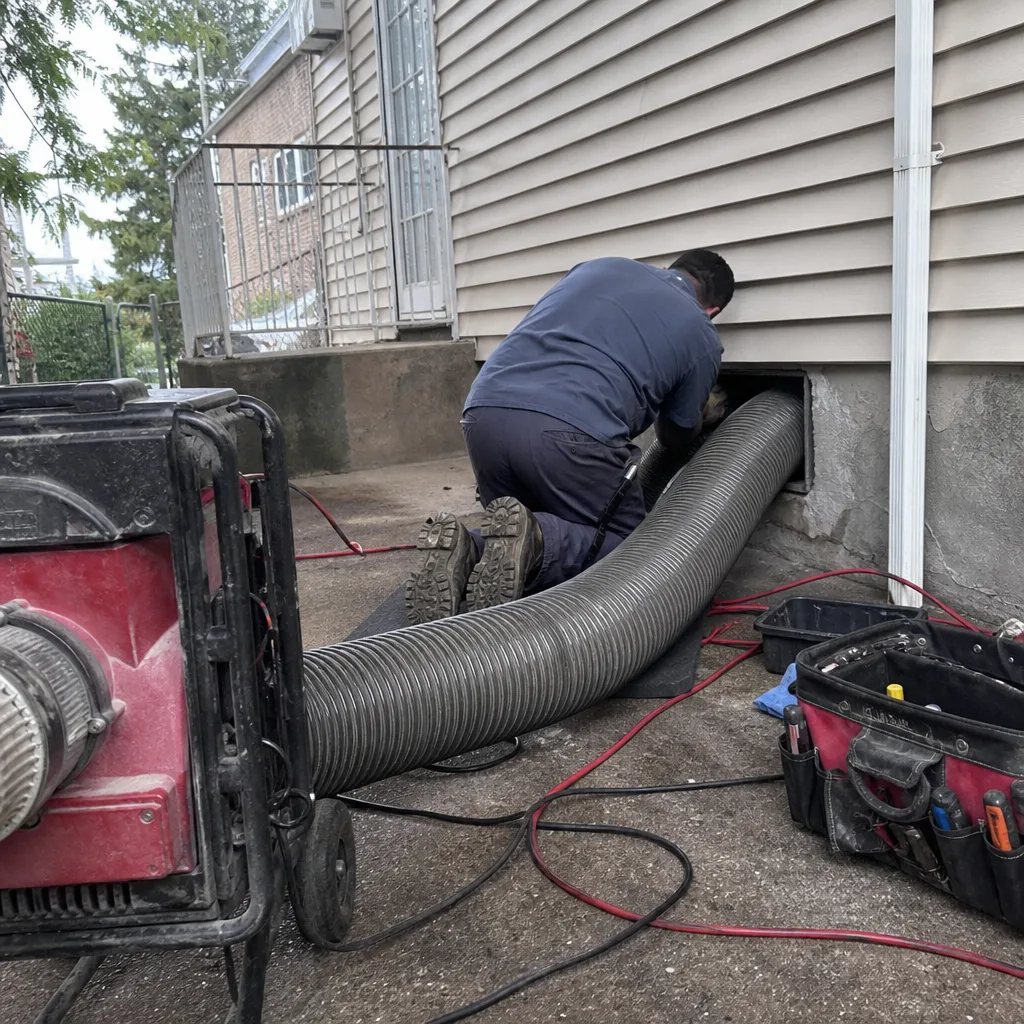 Before
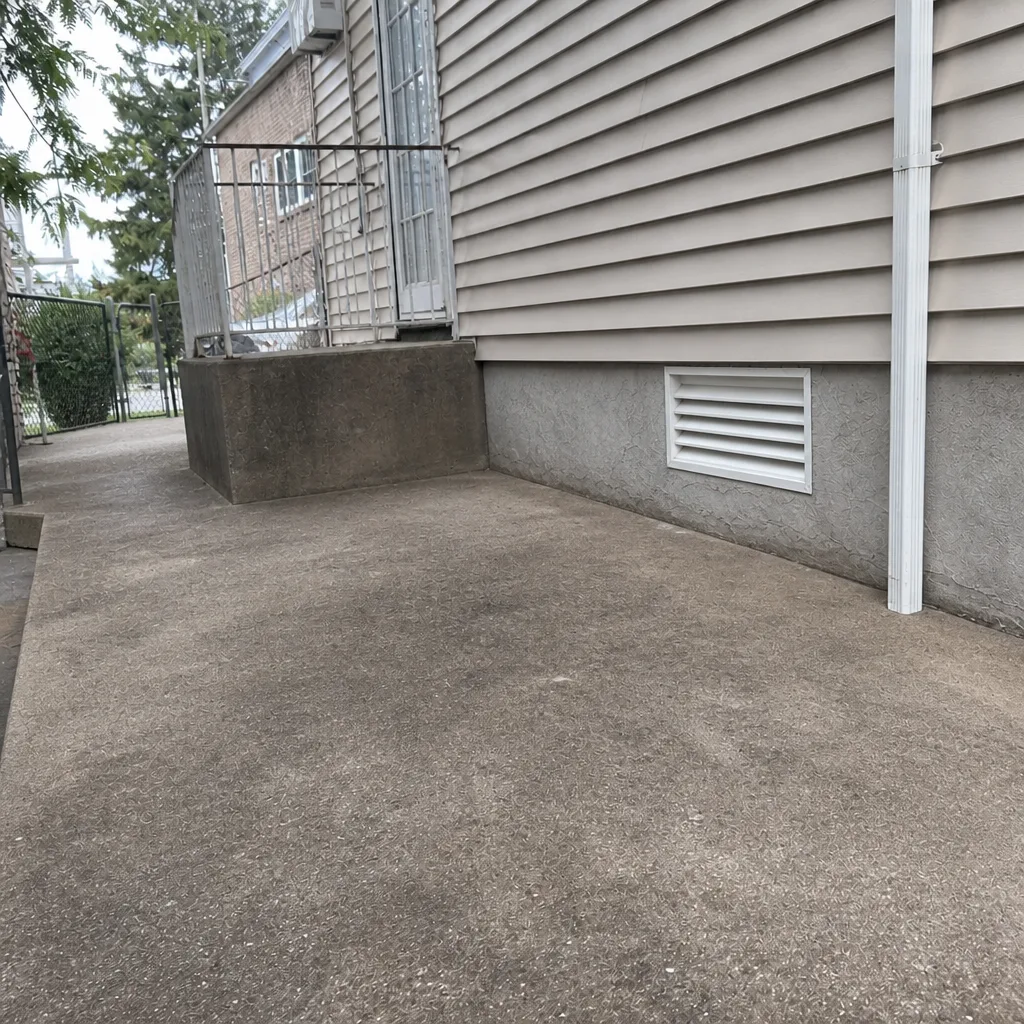 After
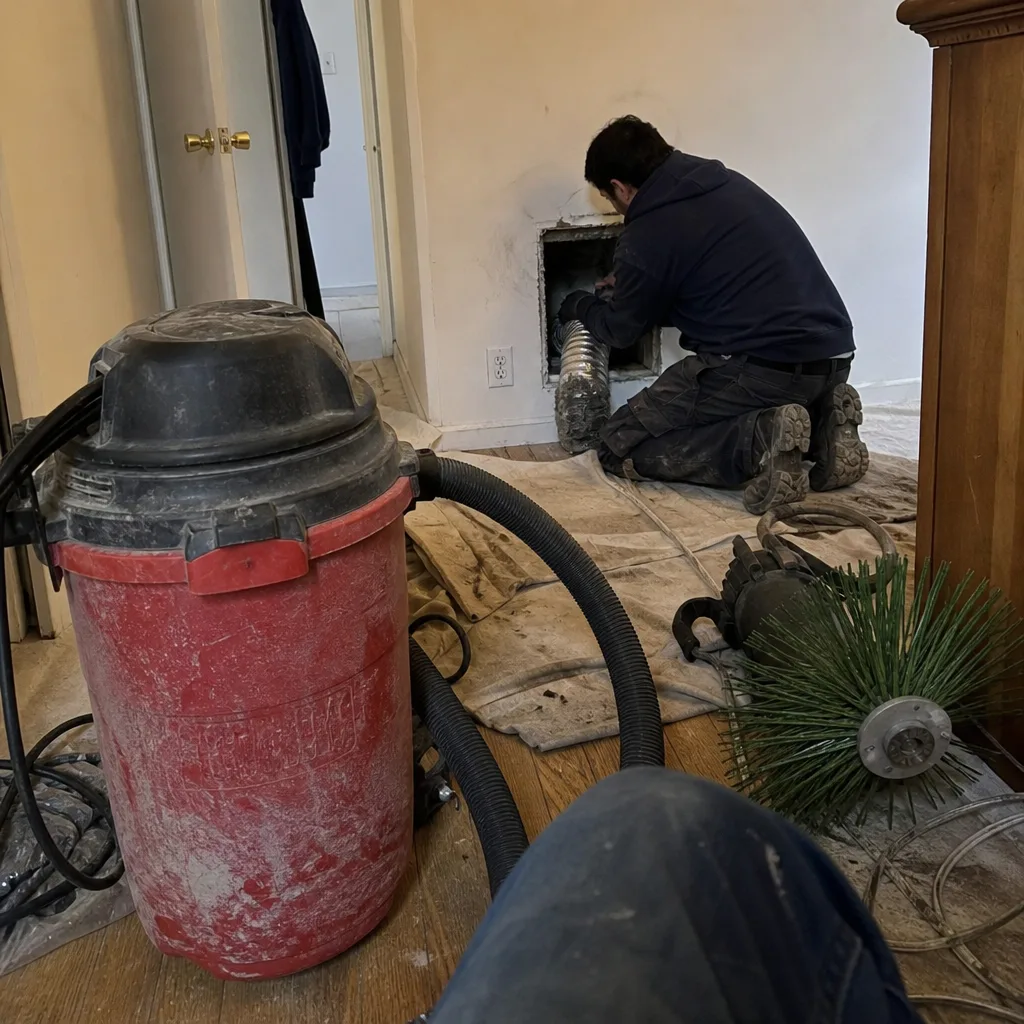 Before
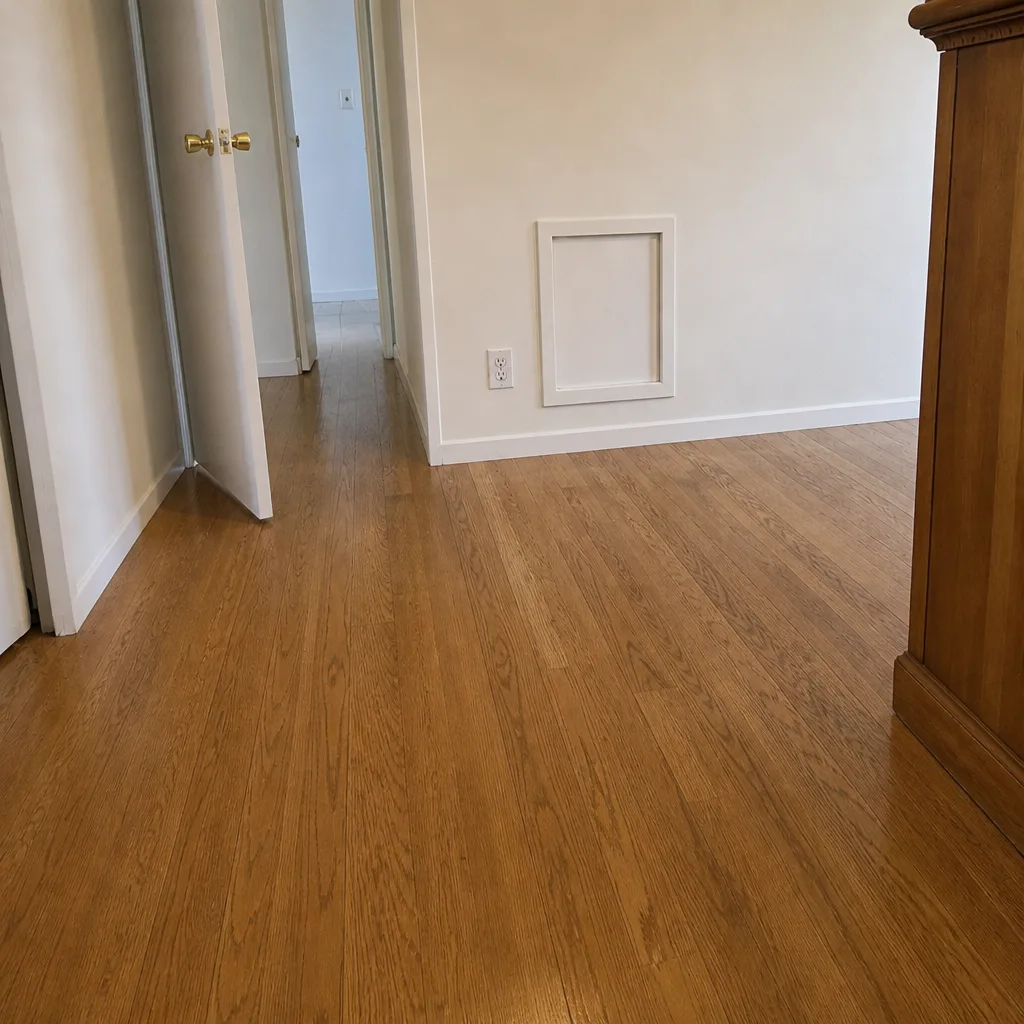 After
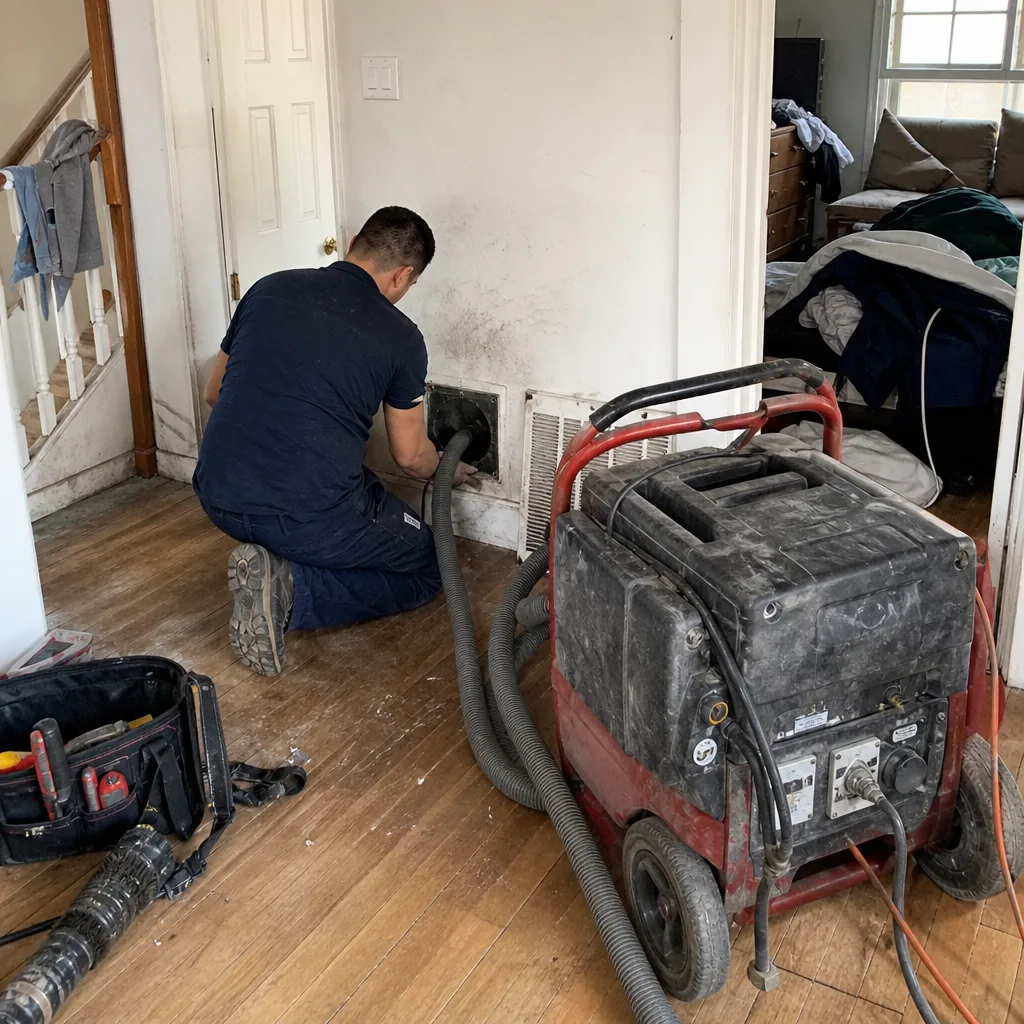 Before
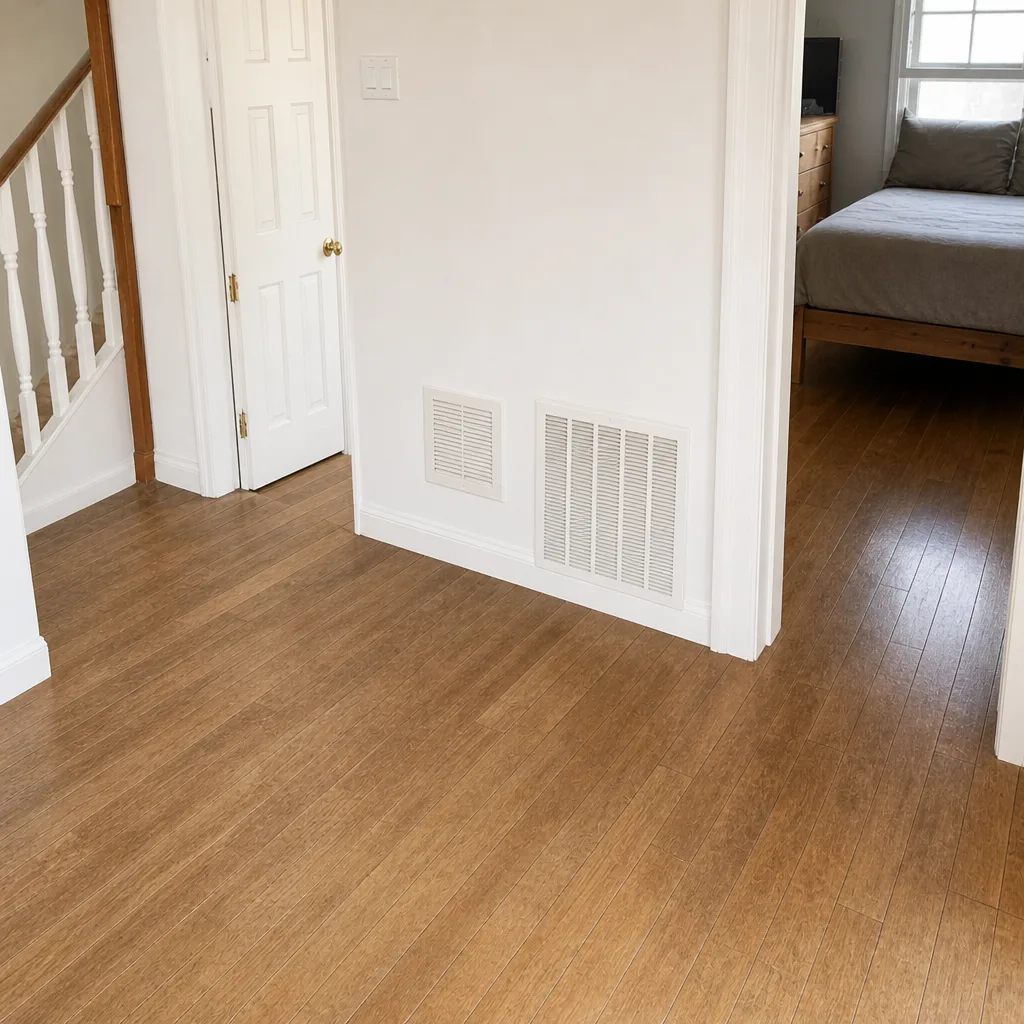 After
When to Call a Professional
Call a professional when you have two or more of the quiet signs lined up: a startup-timed odor, register dust that returns fast, uneven temperatures across rooms, winter-only allergy symptoms, or a bill that climbs with your filter cycle. Call right away if you have an odor present with the system off that’s coming from the mechanical closet, since drain pan issues can escalate. Call before any renovation dust settles into the system, because cleanup is easier the sooner it starts.
Air Duct Cleaning Soundview offers free estimates in Soundview. Call (844) 630-1582. We answer 24/7. Fast dispatch from 7am to 7pm, Sunday through Friday. Our technicians have up to 8 years of experience, and we use Rotobrush and Nikro equipment along with Abatement Technologies purification gear so the assessment and the fix are handled correctly.
Frequently Asked Questions
The first signs are usually subtle ones: a musty smell timed to blower startup, dust that returns to registers quickly, uneven temperatures across rooms, winter-only allergy flare-ups, or utility bills that climb with filter cycles. Dramatic symptoms like visible buildup or a full clog come later. If two or three of these line up in your Soundview home, get an inspection before booking a cleaning. Call (844) 630-1582 for an exact quote. Estimates are free.
No. A musty smell timed to startup usually means dust burning off the heat exchanger, not mold in the ducts. Actual mold in the ductwork often has no smell at all until airflow disturbs a colony. The two problems have different fixes. That’s why an assessment matters before choosing the treatment. Call (844) 630-1582 for an honest diagnosis. Estimates are free.
Usually no. Uneven temperatures are typically caused by duct leakage or damper failure, not contamination, so cleaning won’t fix them. Duct Repair & Sealing addresses the actual cause. In Soundview’s older homes and additions, we find this pattern often. Ask for a repair and seal assessment if temperature imbalance is your main complaint. Call (844) 630-1582 for an exact quote. Estimates are free.
Because windows stay shut and your system recirculates the same air through the same ducts for weeks. A failing filter would cause year-round symptoms; the winter-only pattern points to duct recirculation. That’s the difference between a filtration fix and a duct fix. In Soundview, this is one of the most common observations we make. Call (844) 630-1582 for a whole-system assessment. Estimates are free.
Yes. Bills that climb in step with filter load, then drop after a filter change, usually indicate duct bypass. Air escapes around unsealed points, and the blower runs longer to compensate. Duct Repair & Sealing often fixes this. Track your bills and filter dates for two or three cycles before calling so the assessment is faster. Call (844) 630-1582 for an exact quote. Estimates are free.
It’s based on the system, not a fixed number. Newer systems with good filtration need it less often than systems in Soundview homes with long recirculation seasons, renovation dust, or a history of moisture. The trigger is symptoms, not a calendar. An inspection tells you honestly whether it’s needed. Call (844) 630-1582 for a free assessment before you commit to a cleaning. Estimates are free.
The Bottom Line
The warning signs that matter are usually the ones that don’t look dramatic. Odors timed to the blower, dust that returns to registers fast, temperatures that never balance, winter-only allergies, and bills that climb with filter cycles. Each points to a different underlying issue, and only one of them is a cleaning. The honest fix depends on the diagnosis, which is why an assessment before the work is the right starting point. If several of these signs sound familiar in your Soundview home, get it looked at by a team equipped to address the whole pathway, not just one part. We offer free estimates in Soundview. Call (844) 630-1582 to book yours.
Written by the team at Air Duct Cleaning Soundview.