
Last updated November 22, 2026
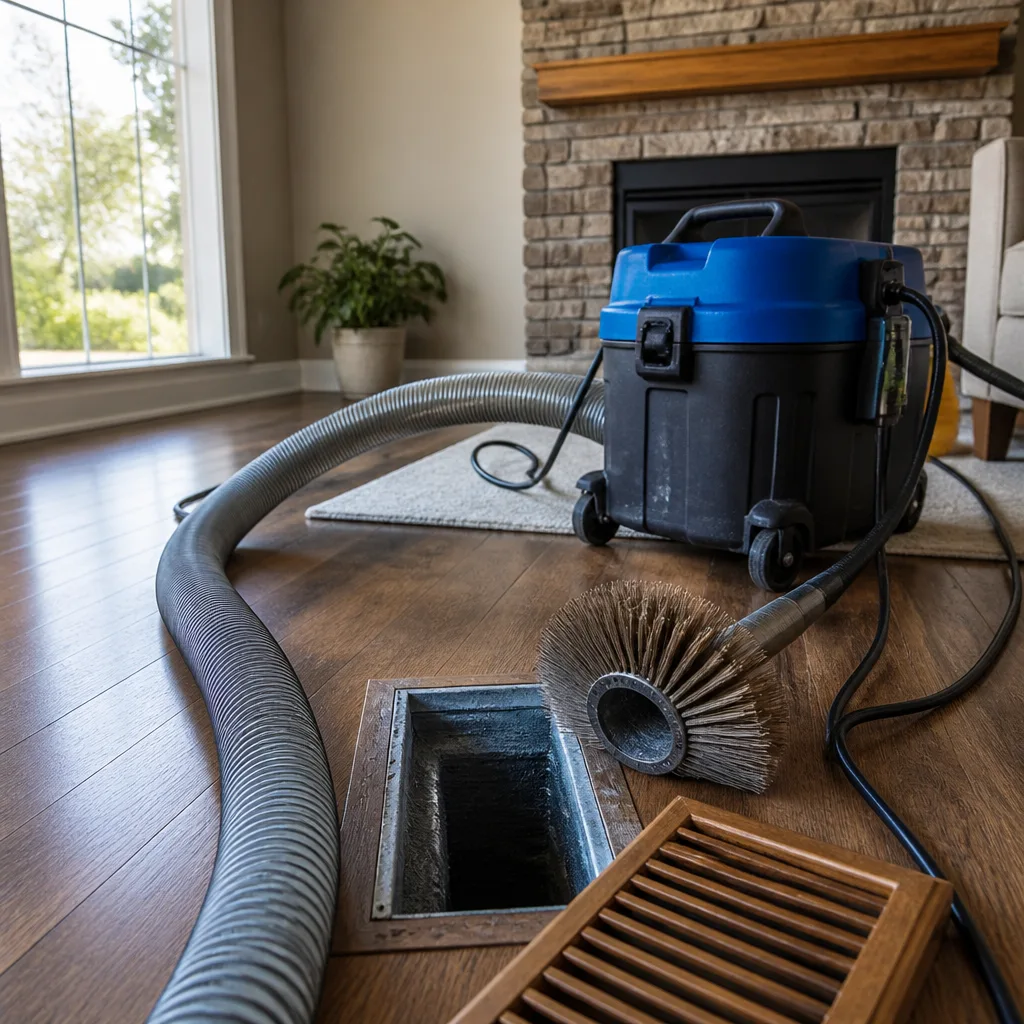 Whole-home duct cleaning
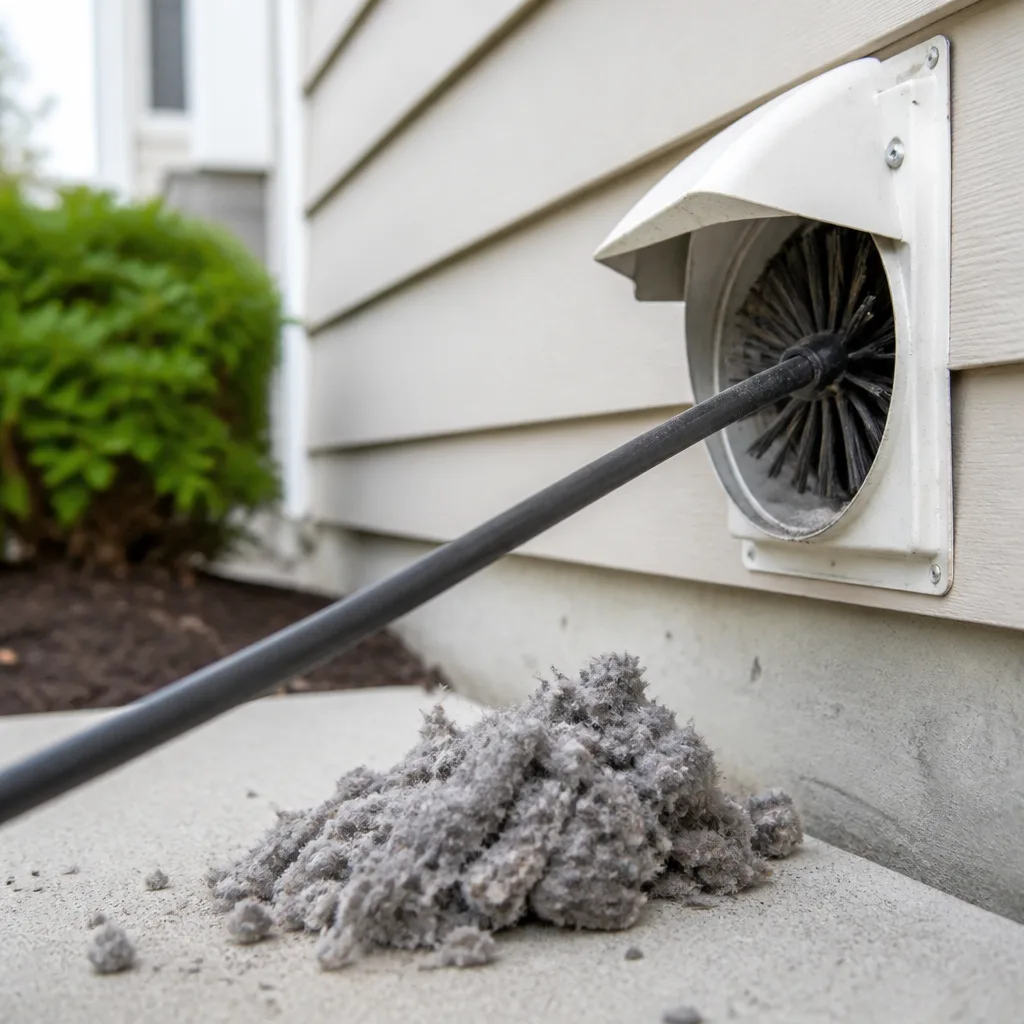 Dryer vent cleaning
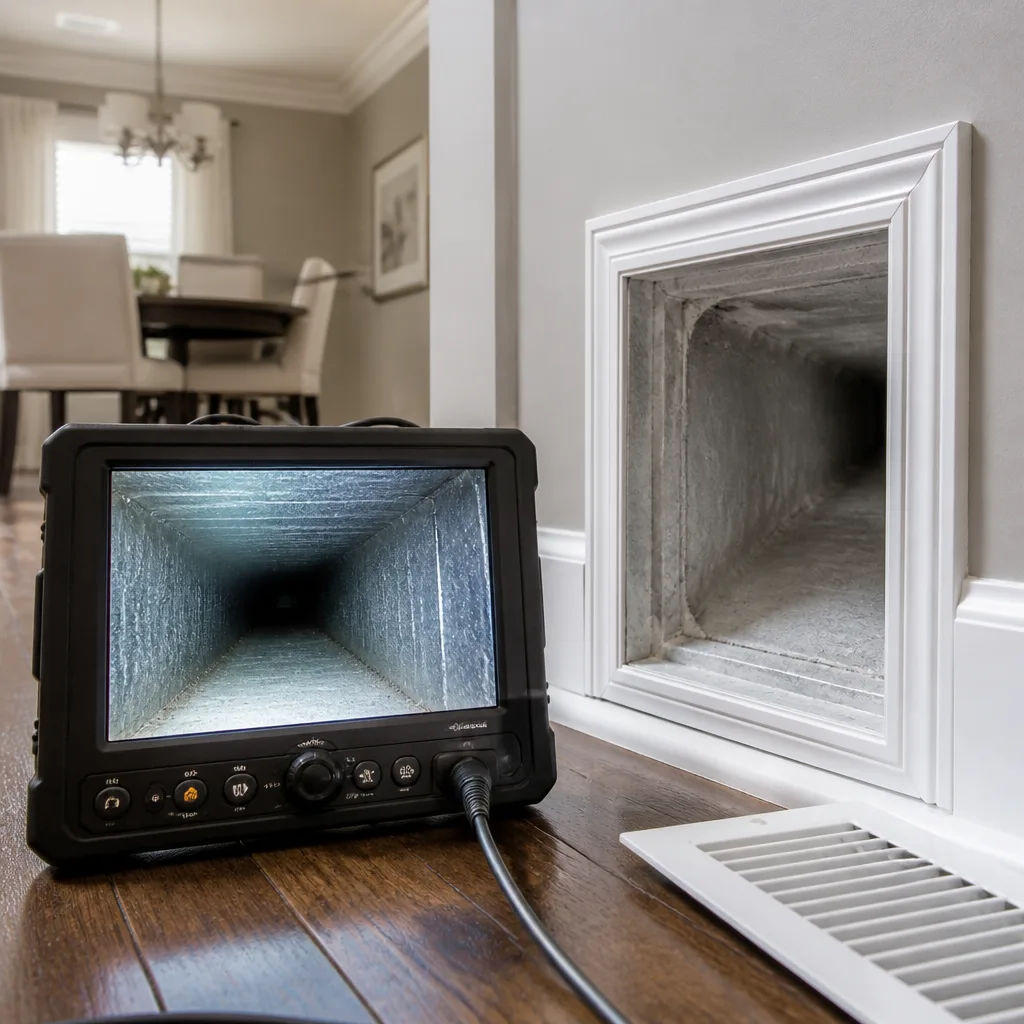 Camera inspection
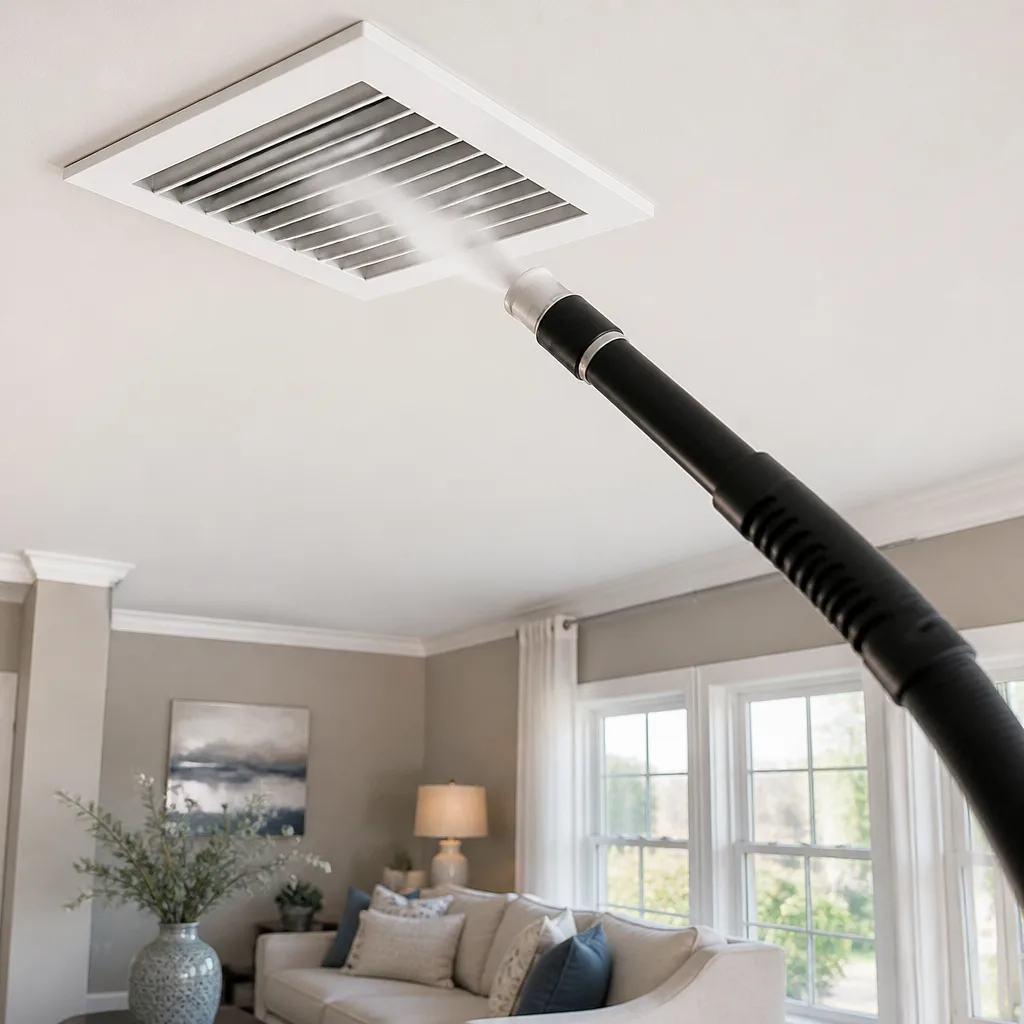 Sanitizing & deodorizing
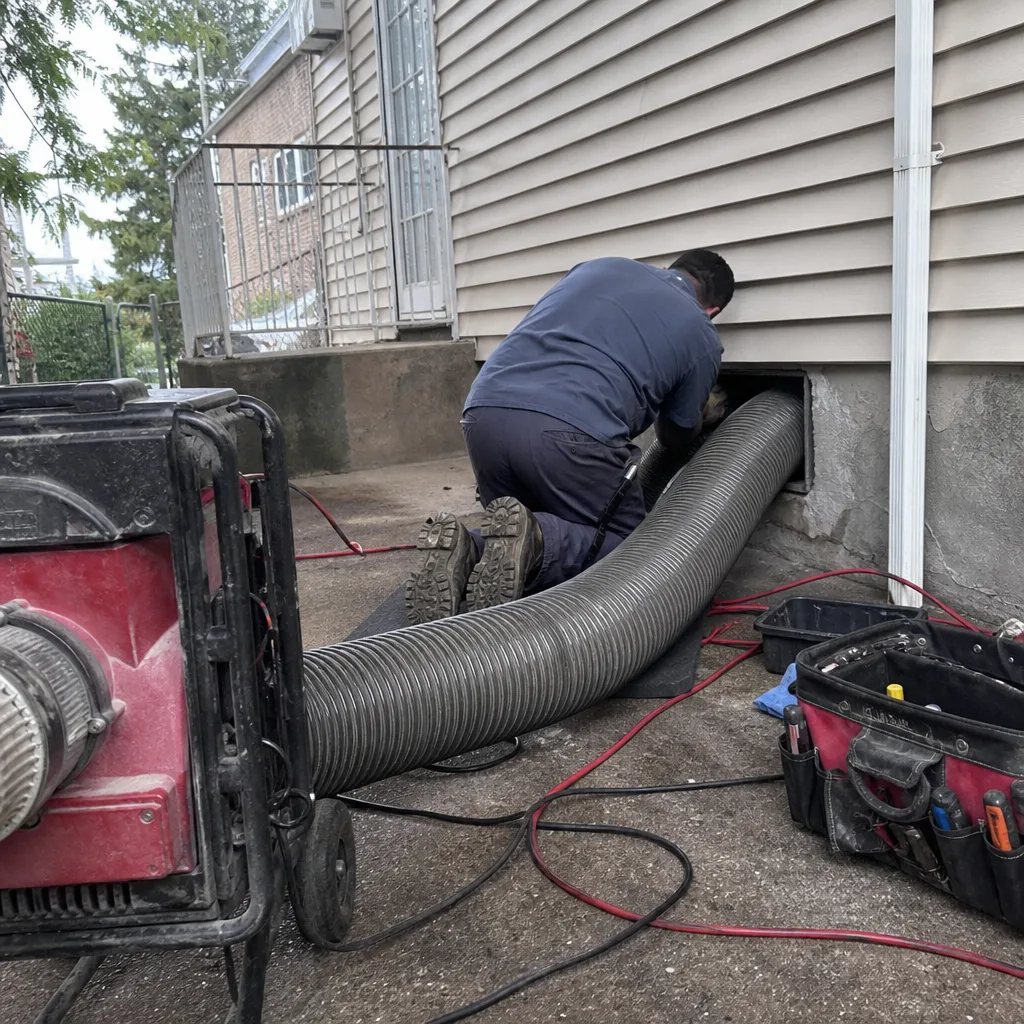
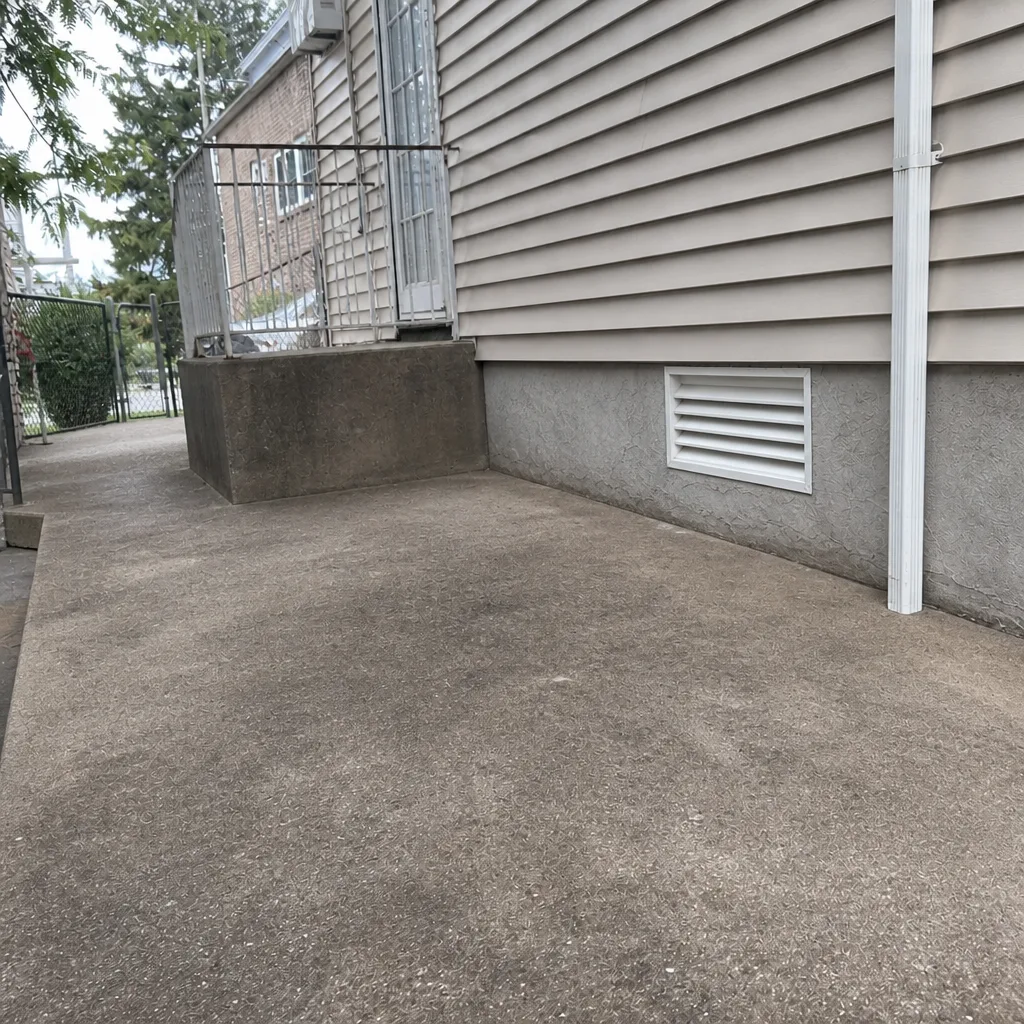
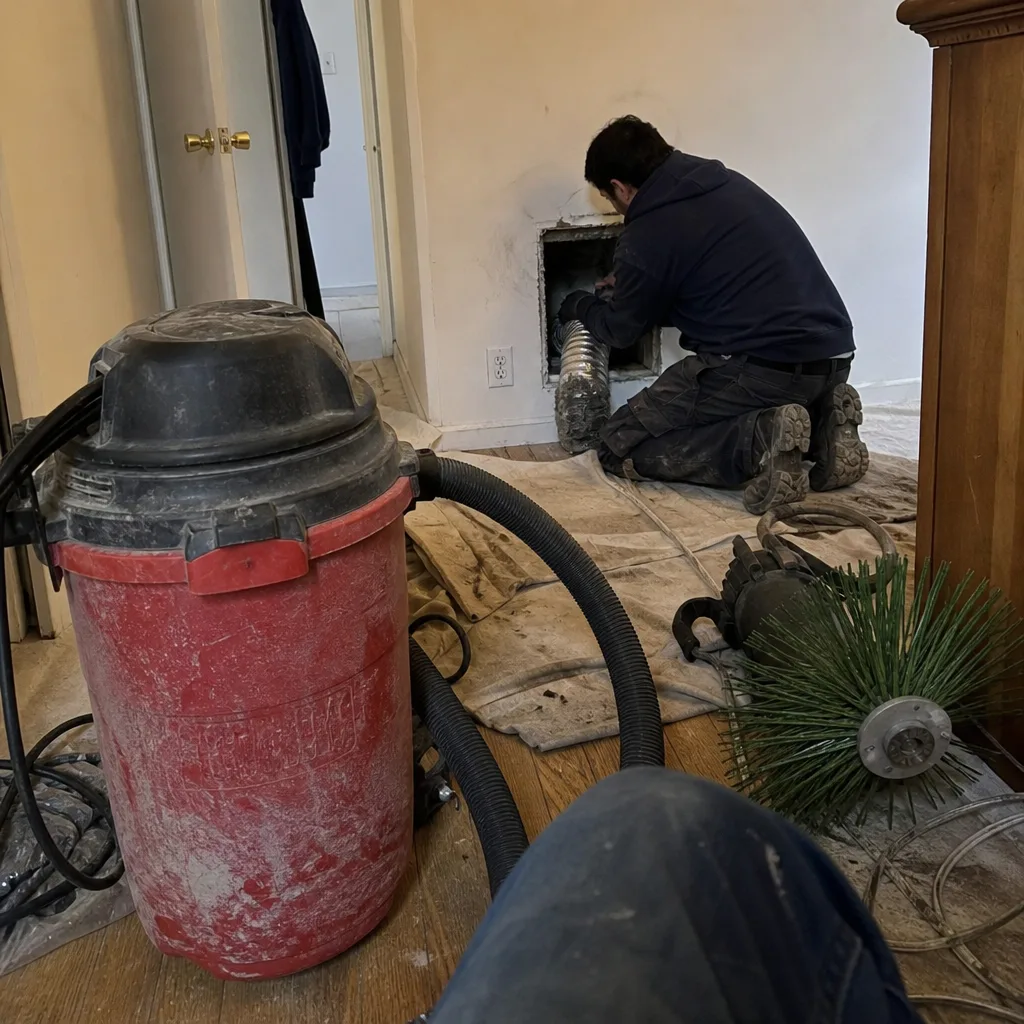
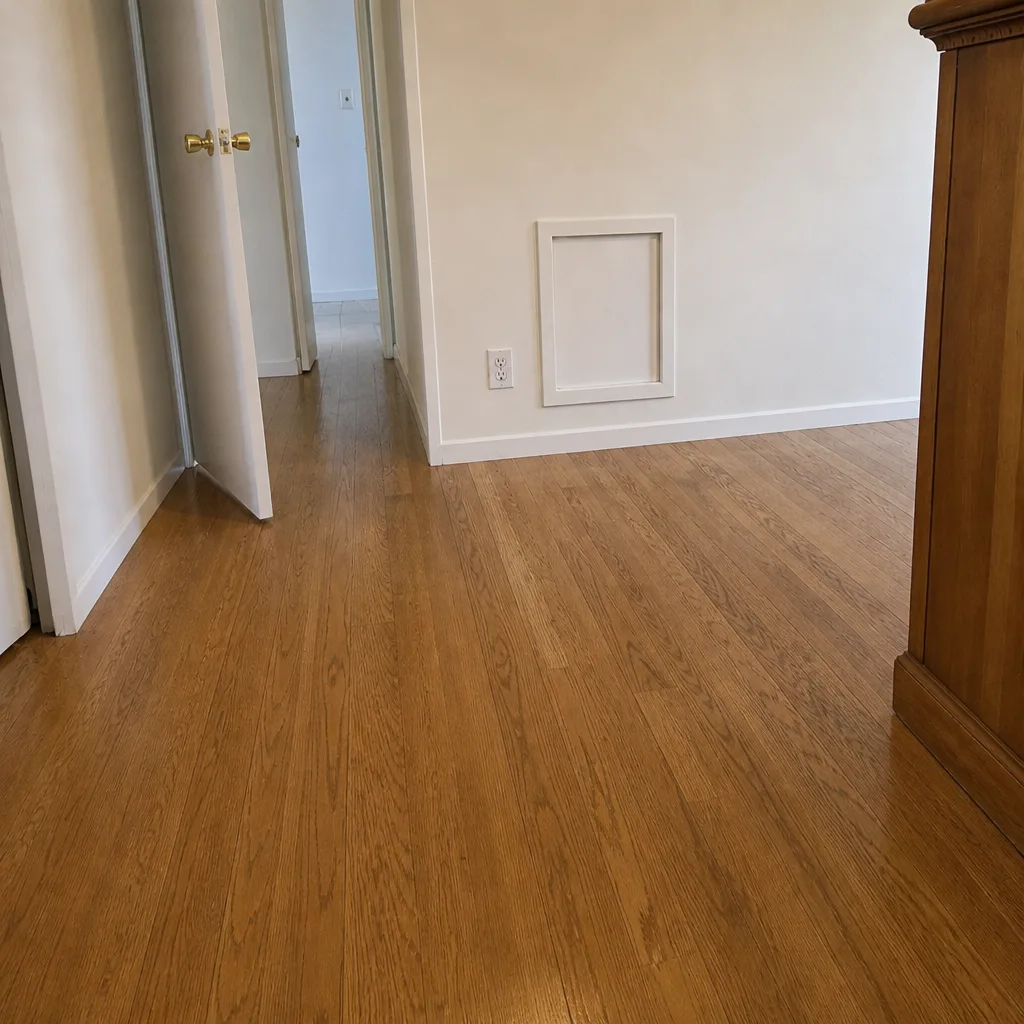
Whole-system duct and dryer vent check with before-and-after photos - you see exactly what came out of your vents
That "$99 whole-house special" is a bait ad - the real number appears once they are in your hallway, or the "clean" is a shop-vac at the register. We photograph the inside of your ducts before and after instead.
Choosing the Right Air Duct Cleaning Brand: A Buyer’s Guide for Soundview
Most homeowners shopping for air duct cleaning compare company names, read a few reviews, and pick whoever answers the phone first. That’s the wrong thing to compare. The single detail that tells you more about how clean your ducts will actually end up isn’t the company’s logo or its guarantee wording. It’s the brand and type of machine sitting in the technician’s truck. In apartment-heavy Soundview, where a cleaning rig often has to work four floors away from the duct it’s pulling from, the difference between a real negative-air truck mount and a portable shop unit is the difference between removing the debris and just stirring it up. This guide walks through the equipment brands that define the trade, how to interpret what a contractor tells you about them, and what to ask before anyone steps into your building.
Quick Answer
The right air duct cleaning brand in Soundview is the company whose equipment tells you it can do source-removal cleaning, not just surface agitation – meaning a name-brand negative-air machine (Rotobrush and Nikro are the standard, and HEPA-VAC truck mounts are the heavy-duty option for large multi-unit buildings), plus separate methods for different debris types and EPA-registered sanitizing products with documented dwell times. Ask what equipment they run and where it’s mounted before you book, and treat a vague answer as a real signal about the job you’re going to get.
Styles & brands we work with
- Whole-home duct cleaning
- Dryer vent cleaning
- Camera inspection
- Sanitizing & deodorizing
Table of Contents
- What “Brand” Actually Means in Air Duct Cleaning
- The Professional Equipment Brands That Set the Standard
- Truck-Mounted Systems vs. Portable Units in Soundview Apartments
- Contact Vacuums, Air Wash, and Rotary Brush Systems
- Why the Sanitizing Product Brand Matters as Much as the Vacuum
- How to Ask a Contractor What Equipment They Use
- Cleaning Is Step One: Repair, Sealing, and Air Quality
- Common Mistakes to Avoid
What “Brand” Actually Means in Air Duct Cleaning
When you search for the best air duct cleaning company in Soundview, you’re really trying to answer two questions at once: is this company reputable, and will the work actually be done. Those are different things. A company can be perfectly polite, on time, and well-reviewed while running equipment that can’t reach your ductwork’s real dirt.
Here’s the shift in thinking. Every trade has equipment that separates a proper job from a cosmetic one. A painter using a $4 brush and a painter using a commercial sprayer are both “painting,” but only one of them finishes a hallway evenly. In duct cleaning, the equipment brand does the same separating work. The machine determines the airflow capacity, the containment, and whether the debris gets pulled to a collector or pushed into your living room.
So when we talk about “brand” in this guide, we mean the equipment manufacturer. Air Duct Cleaning Soundview runs professional-grade systems from Rotobrush and Nikro – the same names commercial contractors rely on in office buildings and medical spaces – because that’s what a real cleaning in Soundview’s housing stock requires. The company name matters far less than what’s in the truck.
Why the machine brand is a better signal than reviews
Reviews tell you how a job went on a good day. Equipment tells you what’s possible on any day. A company running proper negative-air containment is structurally set up to do thorough work, because the machine won’t perform otherwise. A company running a consumer-grade portable vacuum is structurally set up to do surface work, no matter how many five-star reviews it has collected.
This isn’t a knock on good reviews – they matter. But if you’re comparing two Soundview duct cleaning companies and can only learn one thing about each, learn the machine. That’s the detail that survives all the marketing.
The Professional Equipment Brands That Set the Standard
Air duct cleaning equipment falls into a handful of recognizable names, and knowing them gives you a vocabulary for the conversation you’re about to have. Here’s what each system does and what it signals about a company’s capability.
- Rotobrush – The name most homeowners have half-heard. Rotobrush systems combine a rotary brush with a vacuum and HEPA filtration, designed for residential duct cleaning. A company running Rotobrush equipment is equipped for the standard residential scope, with containment built in.
- Nikro – A commercial and industrial-focused manufacturer. Nikro builds negative-air machines and HEPA vacuums used in remediation work. Seeing Nikro equipment tells you the company invested at a commercial grade, not a consumer one.
- HEPA-VAC truck mounts – These are the heavy-duty standard for large jobs: high-CFM negative-air machines mounted in a truck, connected to your duct system by hose. In multi-unit buildings, a truck mount is often what separates a real cleaning from a partial one.
- Abatement Technologies – A remediation-grade manufacturer of air purification equipment. In our work, Abatement Technologies equipment signals the ability to handle sanitizing at the level where biological contamination actually gets addressed, not just fogged.
None of these brands are magic. A poorly trained technician can still do a poor job with good equipment, and a skilled technician can sometimes coax a good result from mediocre tools. But equipment is the checkbox you can verify on the phone, and it strongly predicts what the technician is capable of.
What each brand tells you in one line
- Rotobrush: capable of residential source-removal cleaning with built-in HEPA containment.
- Nikro: commercial-grade equipment, often paired with remediation-grade sanitizing.
- HEPA-VAC truck mount: high airflow, ideal for large buildings and long duct runs.
- Abatement Technologies: equipped for real sanitizing work, not just surface fogging.
If a Soundview contractor can name their equipment and explain why they chose it, that’s a good sign. If they can’t or won’t, ask a follow-up question. The answer to that follow-up is often more useful than the first one.
Truck-Mounted Systems vs. Portable Units in Soundview Apartments
Soundview’s housing stock includes a lot of multi-unit buildings, walk-ups, and mid-rise apartments. That layout creates a real, specific problem for duct cleaning: how do you pull a strong enough vacuum through a duct system when the machine has to sit four floors away?
This is where truck-mounted systems earn their keep. A truck mount puts a high-CFM negative-air machine right at the curb, connected by a long hose to your duct system. The airflow capacity is what matters. Higher CFM means more debris gets pulled out, and negative air pressure means debris is drawn toward the machine rather than drifting back into the room.
Portable units have a role – they’re often what technicians use for smaller duct systems, closet-mounted equipment, or tight spaces. But in a Soundview apartment four floors up, a portable unit’s weaker airflow has less reach. The result is often a partial cleaning that looks complete because the grilles were wiped down afterwards.
What to check before booking
- Ask if they use a truck-mounted negative-air system or a portable unit for your building type.
- Ask how they’ll contain the ducts during cleaning (HEPA filtration, negative pressure, dust barriers).
- Ask how the vacuum gets connected to your duct system from outside or from the building’s utility area.
- Ask what the CFM rating on their machine is and what it means for your specific building.
If the answer is “we use a portable unit” on a fifth-floor walk-up, that’s not automatically a red flag – but it does mean the technician has to be more deliberate about containment and dwell time. A well-run portable job can still be thorough. A badly run one won’t be.
Containment is not optional
Airborne debris is the main complaint people have after a cheap duct cleaning. Somebody stirs the dust loose and it settles on furniture, or it gets pulled into the HVAC system and redistributed. Proper containment – HEPA filtration on the vacuum, negative pressure in the ducts, plastic barriers over vents during the work – is what prevents this. Any company running professional equipment should be able to describe their containment setup without hesitation.
Contact Vacuums, Air Wash, and Rotary Brush Systems
One machine alone doesn’t clean a duct. Different debris types respond to different methods, and a complete cleaning uses more than one approach. This is a point that separates a careful duct cleaning company from a quick one.
Here’s what each method does.
- Contact vacuum – A vacuum head physically touches the duct wall and lifts loose debris. It’s essential for the surfaces it can reach, but it can’t access every part of a long duct run.
- Air wash – A high-volume stream of air sweeps the full duct length, pushing debris toward the vacuum collector. Good for long horizontal runs and for loosening surface dust the contact vacuum can’t reach.
- Rotary brush system – A rotating brush physically scrubs the duct wall. This is what pulls off the adhered layer that vacuuming alone leaves behind, and it’s the standard for removing heavy buildup.
A thorough cleaning alternates these methods: brush to loosen adhered debris, air wash to sweep the loosened material, contact vacuum to collect what the first two methods brought up. Skip any one and you get an incomplete job.
Why “we cleaned your ducts” isn’t a method
If you ask a Soundview duct cleaner what method they use and the answer is just “we clean the ducts,” that’s not an answer. The correct answer names the equipment and the method for your specific situation. Air duct cleaning as a service on Long Island and across the Bronx requires a trained technician who can explain the difference between a surface clean and a real one. If a company can’t explain the difference, they probably don’t offer the second.
Residential duct systems vary enormously: some have rigid sheet metal, some have flexible duct runs, some have long horizontal plenum sections. The method has to match the duct. A technician who shows up with only one tool in the truck is going to use that one tool whether it fits your duct or not.
Why the Sanitizing Product Brand Matters as Much as the Vacuum
Cleaning and sanitizing are different jobs, and the second one is where a lot of duct cleaning companies get vague. Cleaning removes the debris that feeds biological growth. Sanitizing addresses the microorganisms that remain after the debris is gone. Neither step substitutes for the other.
The sanitizing product matters because not all products are equal. Your two questions for any sanitizing step should be:
- Is the product EPA-registered for use in HVAC systems? (The label should say so.)
- Does the technician apply it with the correct dwell time for the labeled concentration?
A generic fogger that gets sprayed into a duct and immediately vacuumed away does very little. An EPA-registered product applied at the labeled concentration with the correct dwell time actually addresses the biological contamination. The difference shows up when the musty smell comes back a week later or doesn’t.
Remediation-grade equipment for real sanitizing
Air Duct Cleaning Soundview uses Abatement Technologies air-purification equipment for sanitizing work. That’s a remediation-grade manufacturer, meaning the equipment is built for the kind of air quality work done after water damage or in medical spaces – not just for a quick fog. When we say sanitizing, we mean sanitizing at a level where the equipment has the capability to actually reduce biological contamination. If you’re comparing Soundview duct cleaning companies and one of them can’t tell you the name of the sanitizing product they’ll use, that’s a conversation worth continuing on the phone before you book.
This matters double for anyone in Soundview dealing with allergies, asthma, or musty odors that return after every cleaning. If the smell comes back, the problem wasn’t just dirt. It was microbial growth, and it needs a real sanitizing step after the debris is gone.
How to Ask a Contractor What Equipment They Use
This is the single most useful phone call you can make before booking a duct cleaning in Soundview. Here’s how to run it, and what a good answer looks like.
The questions to ask
- “What brand and model of negative-air machine do you use?” (Looking for a name: Rotobrush, Nikro, HEPA-VAC truck mount.)
- “Is it truck-mounted or portable for my building type?” (Both are legitimate; the answer should match your building.)
- “What’s your containment setup for a job in my apartment?” (Looking for HEPA filtration, plastic barriers, negative pressure.)
- “What cleaning methods do you use – contact vacuum, air wash, rotary brush?” (Looking for all three named.)
- “What sanitizing product do you use, and is it EPA-registered for HVAC?” (Looking for a specific name and a yes.)
- “Do you inspect the ducts before and after, and do you provide photos?” (Looking for a yes on both.)
How to interpret the answer
- A confident, specific answer – “We run Rotobrush systems with HEPA filtration, and we use a Nikro negative-air machine on larger buildings.” Good sign. Book.
- A vague answer – “We use professional equipment.” Push back. Ask for the brand name. If there’s no brand name, treat it as a red flag.
- A defensive answer – “Why do you need to know that?” or “You don’t need to worry about that.” Treat it as a hard stop. Any contractor proud of their equipment will tell you the brand without hesitation.
- A no-answer – “We’ll see when we get there.” That’s not how duct cleaning works. The equipment determines the plan.
If you’re looking at a Soundview company that runs proper equipment, they’ll often bring it up before you ask. Air duct cleaning in Soundview done right is a conversation about method and equipment, not a sales script.
Cleaning Is Step One: Repair, Sealing, and Air Quality
The equipment question matters most at the front end of the job. But if the ductwork itself is compromised – loose joints, disconnected sections, torn flex duct, unsealed plenum connections – a cleaning without a repair doesn’t stick. The debris comes back, and the airflow problems you hired a cleaner to fix are still there.
That’s why the more complete scope matters. Air Duct Cleaning Soundview handles five service categories under one roof:
- Air duct cleaning
- Dryer vent cleaning
- HVAC cleaning
- Duct repair and sealing
- Air quality and sanitizing
Having these in one scope avoids the coordination headache of hiring three contractors for one problem. The dryer vent piece deserves a mention too – a surprising number of duct cleaning companies don’t touch dryer vents, even though a clogged dryer vent is one of the leading causes of residential fires. If your dryer takes two cycles to dry a load, that’s a duct cleaning job that HVAC-only companies won’t notice.
On the repair side, once the ducts are clean, sealing the compromised joints is what stops the debris from coming back in the first place. Repairs made before cleaning get dirty immediately. Repairs made after cleaning stay tight. The sequence matters.
Air quality upgrades after cleaning
Once the ducts are clean, sealing done, and sanitizing finished, some homeowners want to upgrade filtration at the system level. Honeywell and Aprilaire make the whole-home air quality products used for this – filtration and media cabinets that sit on the HVAC system and filter the air continuously, not just during a cleaning. That’s the extension that turns a one-time cleaning into a long-term air quality setup. It’s optional, but it’s the step that answers the “how do I keep it clean” question.
What a full-system review looks like
- Inspect the visible ductwork and HVAC equipment before cleaning.
- Set up containment (HEPA, negative pressure, plastic barriers).
- Clean using rotary brush, air wash, and contact vacuum in sequence.
- Sanitize with an EPA-registered product at correct dwell time.
- Inspect again and document with before-and-after photos.
- Repair and seal any compromised joints discovered during cleaning.
- Recommend whole-home filtration upgrades if appropriate.
That’s the sequence Air Duct Cleaning Soundview follows on a full job. If you’re comparing soundview companies and one of them offers only steps 2 and 3, you know what’s missing.
Common Mistakes to Avoid
- Picking a company by price alone. In Soundview’s apartment-dense buildings, a low quote usually means a portable unit and no containment. The money you save upfront often comes back as a second cleaning six months later.
- Not asking about equipment. If you wouldn’t hire a painter without asking about their sprayer, don’t hire a duct cleaner without asking about their vacuum. The brand name is free information on the phone.
- Accepting “we use professional equipment” as an answer. That’s a category, not a brand. Ask for the name. Rotobrush, Nikro, and HEPA-VAC truck mounts are the vocabulary – if the company doesn’t recognize any of them, that tells you something.
- Skipping the sanitizing step. In a Soundview apartment with allergies or recurring musty odors, cleaning without sanitizing leaves the biological growth intact. Ask for the EPA-registered product name.
- Hiring a duct cleaner who won’t repair or seal. A cleaning that doesn’t address compromised joints is a temporary fix. Duct repair and sealing should be part of the scope, not a separate vendor.
- Booking without a written estimate. The number you hear on the phone and the number on the invoice should match. Ask for the estimate in writing before work starts.
- Ignoring the dryer vent. If you’re having ducts cleaned in Soundview, have the dryer vent cleaned at the same time. It’s a fire-safety issue, not just an efficiency one, and most duct cleaning jobs skip it because the company doesn’t offer the service.
See the difference
 Before
 After
 Before
 After
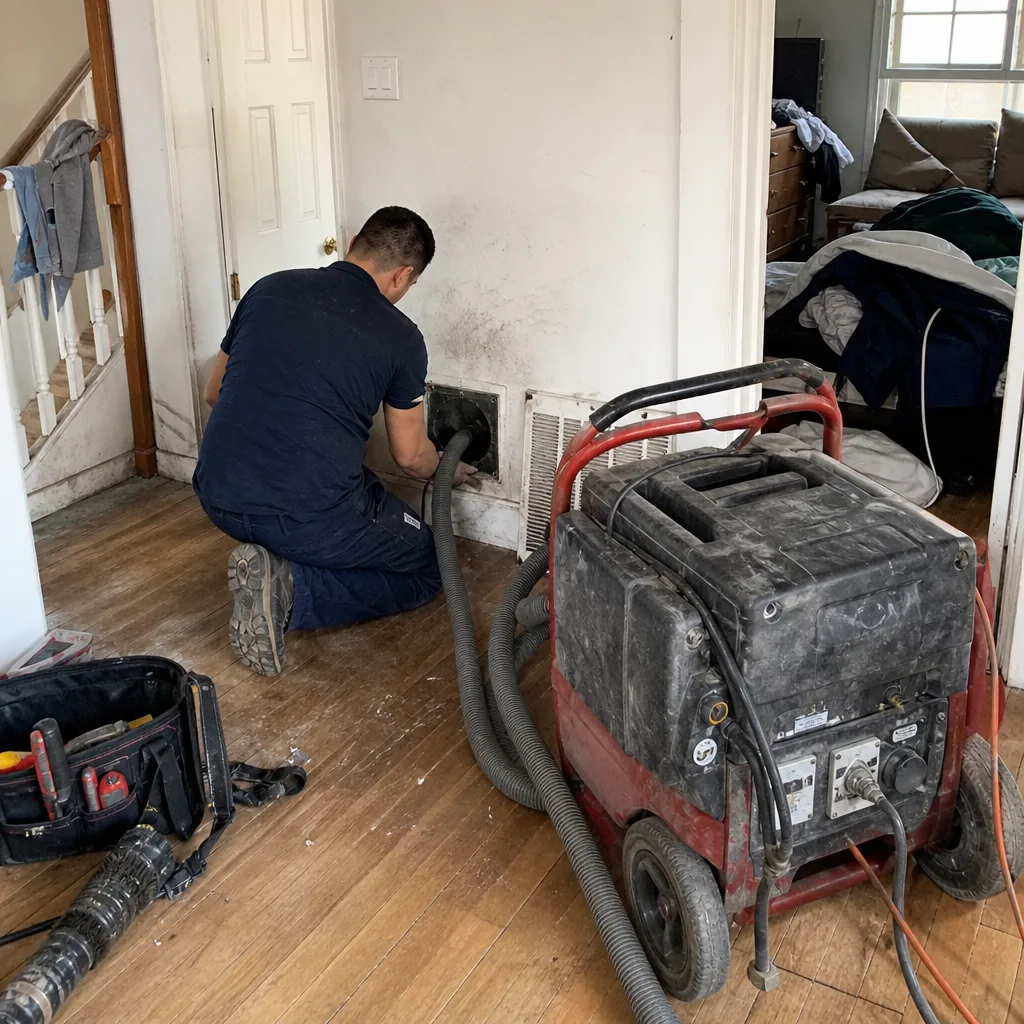 Before
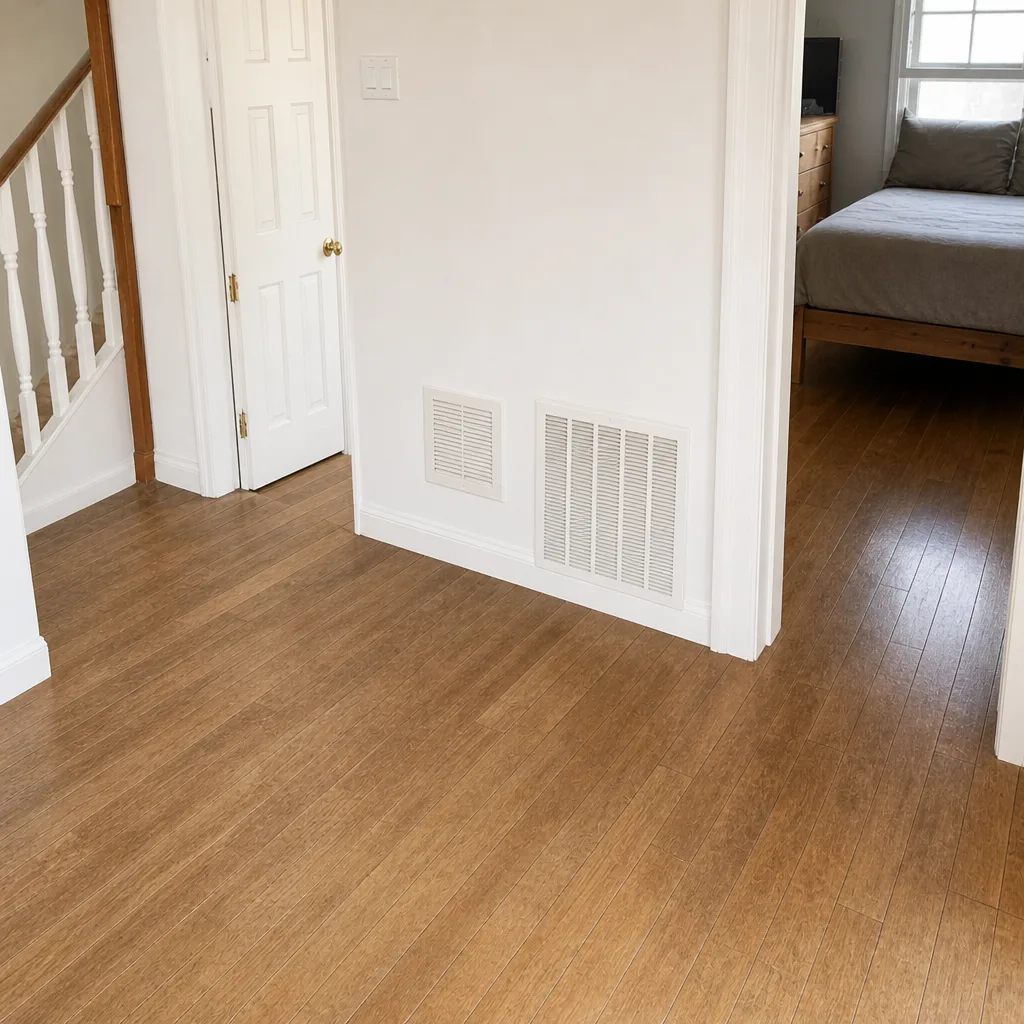 After
When to Call a Professional
Not every home needs a duct cleaning. But some specific situations in Soundview make the call worth making:
You’ve noticed reduced airflow from the vents. The musty smell returns after every cleaning. You’ve had recent water damage near the HVAC system. You’ve just moved into a new apartment and don’t know the duct history. Your energy bills have crept up without explanation. Someone in the household has allergies or asthma that seem worse indoors. Your dryer takes two cycles to dry a load. Your HVAC was recently serviced and the technician recommended duct cleaning.
Air Duct Cleaning Soundview offers free estimates in Soundview. Call (844) 630-1582. We answer 24/7. Fast dispatch from 7am to 7pm, Sunday through Friday.
For the full scope of what we cover, start with Air Duct Cleaning Soundview, or go straight to our air duct cleaning page and to dryer vent cleaning if the vent is your main concern. If you’re dealing with the HVAC system itself rather than just the ductwork, see our HVAC cleaning.
Frequently Asked Questions
Ask what brand of negative-air machine they use (Rotobrush, Nikro, or a HEPA-VAC truck mount are the names to know), whether it’s truck-mounted or portable for your building type, what containment setup they use, what cleaning methods they apply (contact vacuum, air wash, rotary brush), and what EPA-registered sanitizing product they use. A confident, specific answer is a good sign. A vague or defensive answer is the signal you’re looking for. Call (844) 630-1582 for a free estimate.
Cheaper quotes usually reflect cheaper equipment and less containment. A company running a consumer-grade portable vacuum can charge less because their setup costs less and their labor time is shorter. What they can’t do is pull debris out of a long duct run from four floors away. The result is a partial cleaning that looks complete until the dust returns. Air Duct Cleaning Soundview prices per job by written estimate, so the number you agree to is the number you pay. Call (844) 630-1582 for a free estimate.
Sanitizing is a separate step from cleaning, and it addresses the biological contamination that cleaning doesn’t fully remove. It’s not necessary on every job, but if you have recurring musty odors, allergy symptoms that get worse indoors, or a history of moisture problems near the HVAC, it’s worth asking for. The key question is whether the company uses an EPA-registered product at the labeled dwell time. A generic fogger doesn’t count. Call (844) 630-1582 for a free estimate.
Ask for before-and-after photos of your own ducts. Any company running professional equipment should be able to show you the difference. Soundview duct cleaning companies that document their work with photos are also the ones most likely to have done a proper job – it’s easier to document a thorough cleaning than a cosmetic one. Ask for the photos as part of the written scope before work starts. Call (844) 630-1582 for a free estimate.
Most homes need it every three to five years, but it depends on your building. Apartments in older Soundview buildings with shared HVAC and long duct runs may need it more often than a newer single-family home. Signs you’re due: musty odors that return, reduced airflow, more visible dust after recent renovations, or a recent move into a space with unknown history. Call (844) 630-1582 for a free estimate.
It matters most in buildings where the duct runs are long and the machine has to work from a distance. A truck mount’s higher airflow pulls debris out of the whole run; a portable unit has less reach and can tend to move debris around rather than pull it out. That said, a well-run portable job can be thorough. The question is whether the technician is set up to compensate for the portable unit’s limits. Call (844) 630-1582 for a free estimate.
Cleaning removes debris from inside the ductwork. Repair and sealing fixes the compromised joints, disconnected sections, and unsealed plenum connections that let the debris back in. Cleaning without sealing is a temporary fix; sealing without cleaning traps debris in a compromised system. Air Duct Cleaning Soundview handles both, and the right order is cleaning first, then repair and sealing. Call (844) 630-1582 for a free estimate.
Because a generic fogger that gets sprayed and immediately vacuumed away does very little to address microbial growth. An EPA-registered product with the correct dwell time actually reduces biological contamination. The brand on the vacuum tells you how well the ducts will be cleaned. The brand on the sanitizer tells you how well the contamination will be addressed. Both matter. Call (844) 630-1582 for a free estimate.
The Bottom Line
When you’re choosing a duct cleaning company in Soundview, the company name and the reviews matter less than what equipment shows up. Rotobrush, Nikro, HEPA-VAC truck mounts, and Abatement Technologies are the brands that separate source-removal cleaning from surface agitation. Ask about the machine before you ask about the price. Ask about the sanitizing product before you agree to sanitizing. Ask for before-and-after photos of your own ducts, not stock photos. And if you’re dealing with compromised ductwork, make sure repair and sealing are in the scope, not a separate vendor. Air Duct Cleaning Soundview runs professional-grade equipment across all five service categories, with free estimates and a written price per job agreed before work starts. Call (844) 630-1582. We answer 24/7. Fast dispatch from 7am to 7pm, Sunday through Friday.
Written by the team at Air Duct Cleaning Soundview.