
Last updated November 22, 2026
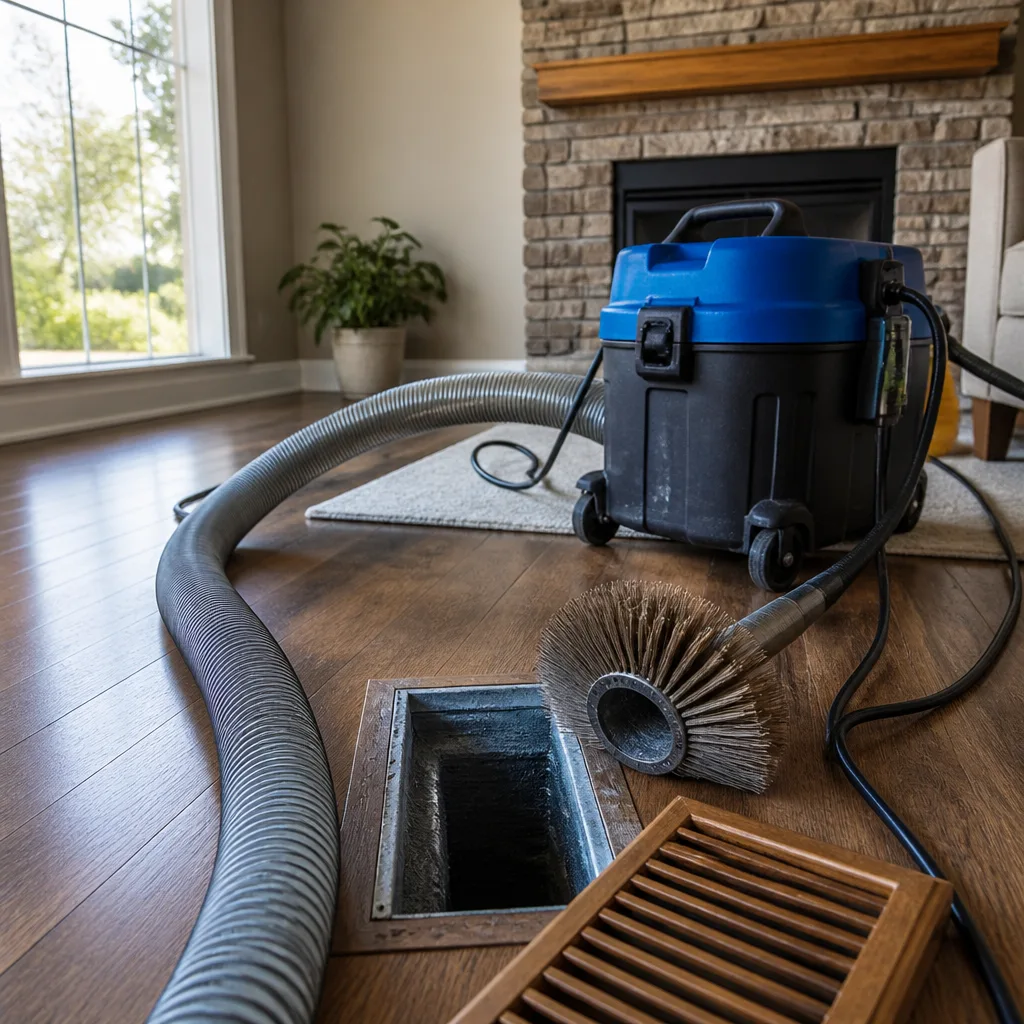 Whole-home duct cleaning
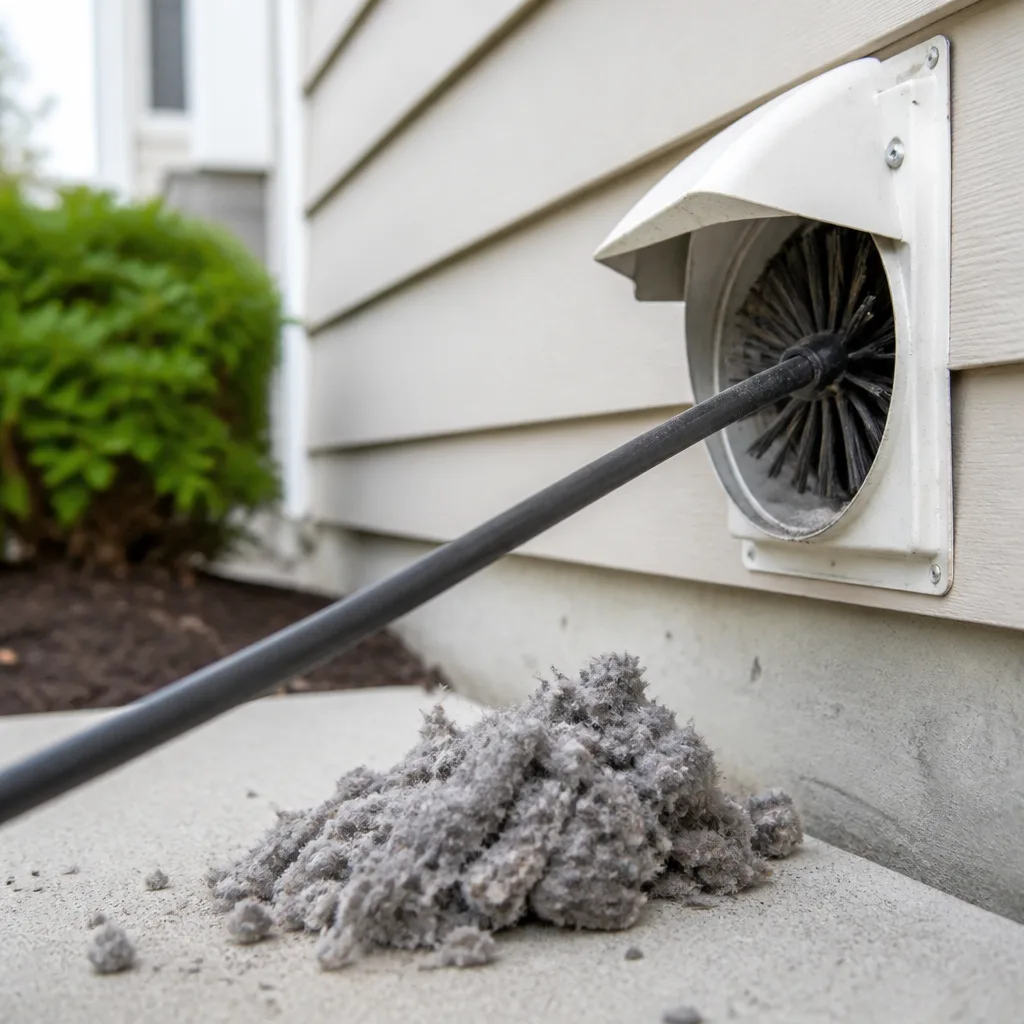 Dryer vent cleaning
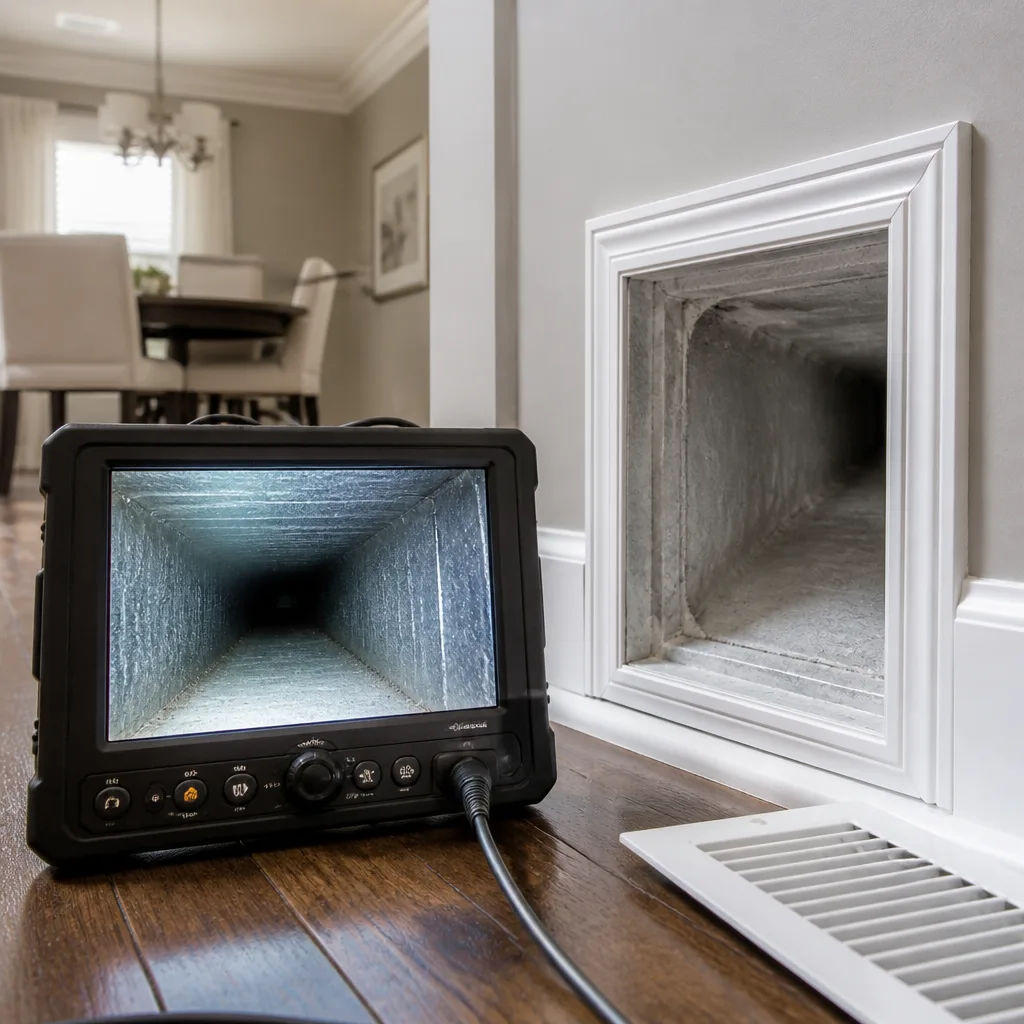 Camera inspection
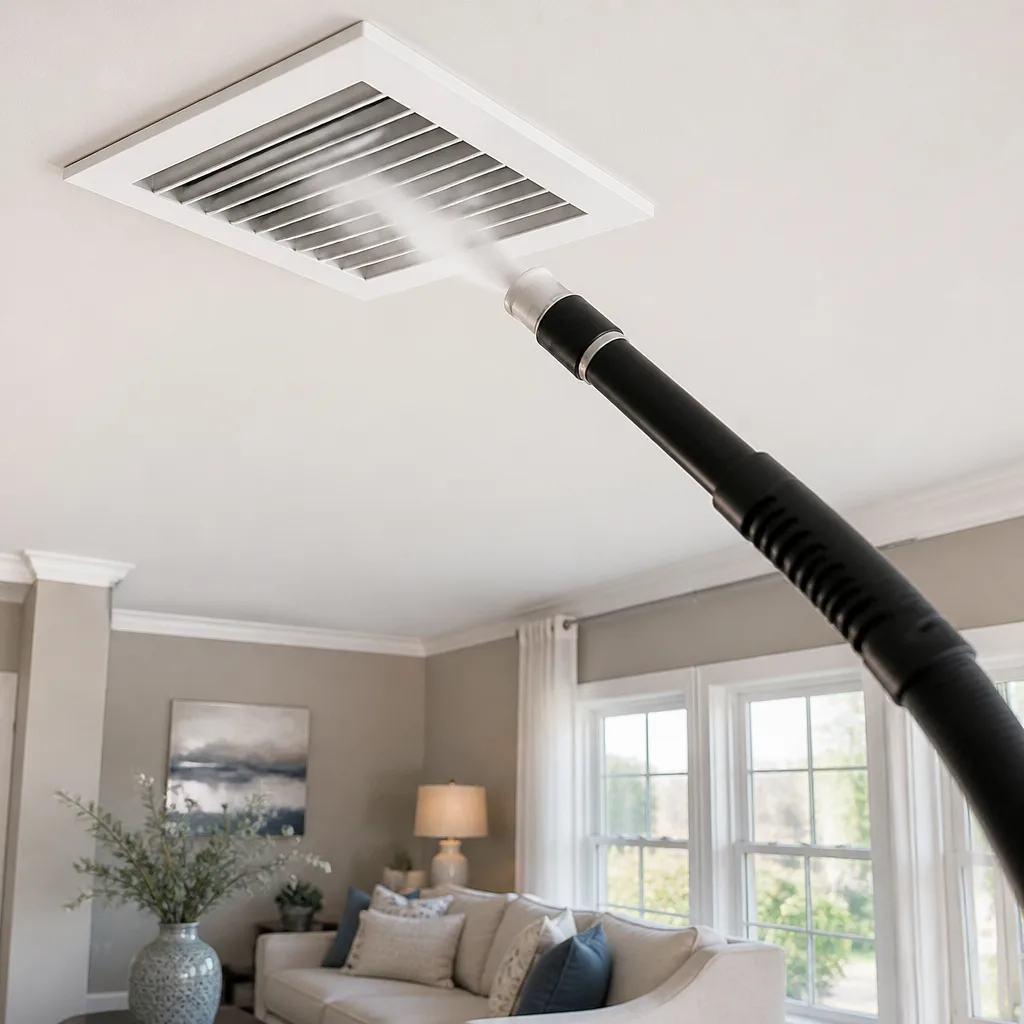 Sanitizing & deodorizing
Whole-system duct and dryer vent check with before-and-after photos - you see exactly what came out of your vents
That "$99 whole-house special" is a bait ad - the real number appears once they are in your hallway, or the "clean" is a shop-vac at the register. We photograph the inside of your ducts before and after instead.
Air Duct Cleaning Permits, Codes & Inspections in Soundview, NY: What You Need to Know
The call that surprises people isn’t the one about a dirty duct. It’s the one that comes months later, from a buyer’s inspector or a co-op board, asking who cut a hole in the sheet metal above the kitchen ceiling and whether a permit was ever pulled for it. Cleaning a duct requires no permit in New York City. Modifying one does. The line between those two things is thinner than most homeowners in Soundview realize, and the contractor doing the work isn’t the one who carries the paperwork problem afterward. You are. This guide walks through where that line sits in the NYC Building Code, what triggers a filing, how inspectors and utility complaint processes treat undocumented work, and how to verify that the person holding the drill is actually licensed for mechanical work.
Quick Answer
Routine air duct cleaning does not require a permit in New York City, because it’s classified as maintenance rather than alteration. Duct repair that changes the mechanical system, cuts new access openings, replaces duct sections, or installs equipment like UV purifiers inside the air handler generally does fall under the NYC Mechanical Code and requires a permit through the Department of Buildings. A working smoke detector and a Certificate of Occupancy are not substitutes for that filing. If a contractor tells you a permit is never needed for duct work, they’re describing cleaning, not construction.
Styles & brands we work with
- Whole-home duct cleaning
- Dryer vent cleaning
- Camera inspection
- Sanitizing & deodorizing
Table of Contents
- Where the line falls between cleaning and mechanical alteration
- Permit triggers in the NYC Building Code
- Local Law 97, sealing, and Soundview’s older building stock
- What Con Edison and NYCHA inspectors look for
- Co-op board and landlord requirements beyond city code
- How to verify a contractor’s mechanical license
- What a duct inspection actually covers
- Common mistakes to avoid
Where the Line Falls Between Cleaning and Mechanical Alteration
The dividing line is simple to state and easy to blur in practice. If the duct system stays exactly as it was built and the work only removes debris, no permit is involved. If the system changes shape, gains a new penetration, or loses a component, you’re in alteration territory, and the Mechanical Code applies.
Cleaning, in the code’s view, is maintenance. A technician running a Rotobrush or Nikro system through an existing duct run is doing the same category of work as a janitor vacuuming a hallway. No filing, no inspection, no Certificate of Occupancy update. The duct is assumed to be built the way the drawings show, and cleaning doesn’t question that assumption.
Alteration is different. Here are the specific jobs that cross the line:
- Cutting a new access panel or inspection opening into rigid sheet metal ductwork. This is a physical change to the duct envelope and falls under the code.
- Replacing a section of duct, whether flex or rigid, including a section damaged by rodents or water intrusion.
- Installing UV-C lamps, ionization units, or other air treatment equipment inside the air handler or supply plenum.
- Adding or removing a return, supply, or balance damper.
- Sealing duct joints with mastic or tape when the sealing is part of a mechanical system upgrade rather than routine maintenance on existing joints in good condition.
In our experience running ducts in Soundview’s pre-war and mid-century buildings, the access panel question is where most homeowners get caught. A duct cleaning crew that finds a collapsed flex run or a rodent-chewed branch will often just cut a new hole to reach it, patch it, and move on. That’s the alteration. Nobody tells the homeowner it happened. And when the building is later sold or refinanced, an inspector who sees a pop-riveted steel cover with no trim ring where the original drawings show solid duct will ask for the permit.
Permit Triggers in the NYC Building Code
The NYC Mechanical Code governs HVAC work, and it requires a permit for the installation, alteration, replacement, or repair of any mechanical system unless a specific exemption applies. Cleaning is exempted as maintenance. Everything else requires review. The Department of Buildings classifies the permit type based on scope, and duct work that touches the mechanical system is typically filed as an alteration.
Here’s the practical decision tree we walk through with Soundview property owners before any job is scoped:
- Is the duct system being left in its current configuration? If yes, no permit. Cleaning, sanitizing, and photographing existing runs all stay here.
- Is any new opening being cut? If yes, permit. Access panels, inspection hatches, and new penetrations through duct walls all require a filing.
- Is any duct being replaced? If yes, permit. Even a short flex run replacement counts.
- Is equipment being added to the air stream? If yes, permit. UV lamps, whole-home Aprilaire humidifiers or media filters installed inline, and duct-mounted sensors all fall here.
- Is the work confined to a single dwelling unit? In some cases this affects the permit class, but it does not exempt the filing. A one-apartment alteration still needs the paperwork.
One nuance worth knowing: emergency repairs can proceed before a permit is issued, but a filing must be made promptly afterward, and the work must still be inspected. The “emergency” label doesn’t create a permanent exemption. Contractors who skip the follow-up filing are the ones whose work later becomes a problem for the owner, not for them.
For the full scope of our standard cleaning work, which is the maintenance category and needs no permit, see our air duct cleaning service page. That’s the work that lives on the no-filing side of the line.
Local Law 97, Sealing, and Soundview’s Older Building Stock
Local Law 97 is usually discussed in the context of large commercial buildings and carbon caps. But its ripple effects reach every property manager in Soundview who is responsible for a building over 25,000 square feet, because duct leakage feeds directly into energy consumption and the building’s compliance calculations. A leaking supply duct in a 1960s Soundview building wastes conditioned air, and that waste has a real cost in the emissions profile.
That pressure is now driving a lot of duct sealing work in the neighborhood’s older pre-war, postwar, and 1970s multifamily buildings. And sealing, unlike cleaning, is often a permit-triggering alteration when it involves mastic-applied joint sealing, duct wrapping, or replacing sections of old flex with rigid pipe.
The wrinkle in Soundview’s housing stock is how the ducts were built. Many mid-century buildings here used flex duct runs that have since sagged, collapsed, or been patched multiple times. A sealing contractor who opens a duct chase and finds this kind of decay has basically one honest option: replace the run, which means a permit, or leave the run and seal it against a degraded surface that won’t hold. We see the second outcome a lot in buildings where the owner didn’t realize the first was required. The seal fails within a season, and the owner is back where they started.
Sealing is also one of the places where Guardsman-branded products and duct mastic do real work, but only when the underlying duct is sound enough to receive them. On the HVAC side, we go into this in more detail on our HVAC cleaning page, which covers the whole air pathway beyond the duct runs themselves.
What Con Edison and NYCHA Inspectors Look For
Most people don’t know this, but not every HVAC complaint in Soundview goes through the Department of Buildings. If the complaint involves heating, ventilation, or gas-fired equipment, it may route through Con Edison’s gas inspection process or, in NYCHA-managed buildings, through a NYCHA work-order and inspection track. Both of those processes have a different mental model than a DOB filing review, and undocumented duct work shows up in specific ways.
When a Con Edison inspector responds to a heating or combustion complaint, they’re looking at the combustion air pathway. Duct work that has been cut into, taped over, or sealed with the wrong material can affect draft and combustion air supply. An inspector who sees an unpermitted access panel in the duct near the furnace or boiler will flag it, and the fix is on the property owner.
NYCHA inspections under the work-order system tend to focus on the same mechanical integrity questions but with an eye toward whether the alteration changed the system’s rated performance. A flex run replaced with a different diameter, a plenum modified to fit a new filter rack, an inline booster fan added without documentation: any of these can extend a work order into a longer process.
The pattern we’ve seen is that undocumented work is almost always discovered after the fact, either during a complaint-driven inspection or at the point of sale. The fix is not cheap. It usually involves opening the duct system again, documenting what’s there, and applying for the permit retroactively. Getting it right the first time is the cheaper path by a wide margin.
Co-op Board and Landlord Requirements Beyond City Code
City code is the floor, not the ceiling, in Soundview’s cooperative and rental buildings. Boards, management companies, and individual landlords routinely layer their own approval requirements on top of DOB filings, and those requirements are often stricter than the code itself.
What that looks like in practice:
- Alteration agreements. Most co-op boards in Soundview require a signed alteration agreement before any work that involves opening a wall, ceiling, or duct chase. The agreement typically requires proof of contractor insurance and a description of the work scope.
- Board resolution for shared systems. If your duct work touches a shared riser or common exhaust, the board has to approve it separately, and there’s often a majority or supermajority requirement.
- Landlord sign-off for renters. A tenant can’t authorize duct alteration even if they’re paying for it. The owner of record has to sign the permit application and the alteration agreement.
- Insurance certificates. Many building management companies require the HVAC contractor to list the building as additional insured before they’ll allow work in a common area or a duct that penetrates a party wall.
- Post-work inspection by the building super. Some buildings require the super to inspect the finished work before the board will release a final sign-off.
None of this replaces the DOB filing. It’s stacked on top of it. The practical consequence is that any duct alteration in Soundview’s co-op stock needs four things in hand before work starts: the DOB permit, the board or landlord approval, the contractor’s insurance certificate, and the alteration agreement signature. We line up all four for a property before any tool touches the duct. That’s not a formality, it’s the part that protects the owner.
How to Verify a Contractor’s Mechanical License
New York City licenses contractors in two separate categories, and the difference matters enormously for duct work. A business license lets someone operate a company. A master mechanical license lets someone pull permits and perform mechanical alteration work. Many duct cleaning companies hold the first and not the second, which is why they stick to the maintenance side of the line and hand off anything structural to a different contractor.
Here’s how to check any contractor before you hire them for duct work in Soundview:
- Ask for the license number and category. A legitimate mechanical contractor will give it immediately. “We’re licensed” without a category is a deflection.
- Verify it with the NYC Department of Buildings license lookup. The DOB maintains a public database of licensed tradespeople. Cross-check the name and license number against the business name on the estimate.
- Ask whether they will be the permit holder. If the answer is “you’ll need to pull the permit yourself,” that’s a sign the company can’t legally file the work.
- Request the insurance certificate directly from the insurer. Not a scanned copy from the contractor, the certificate from the broker. The certificate should name the insured business and match the license.
- Look at the estimate for scope clarity. A mechanical alteration estimate should list the permit as a line item or explicitly state who is filing. A cleaning estimate doesn’t need this because no permit is involved.
- Confirm they can pull permits if the job scope changes. A cleaning job that turns into a duct replacement mid-visit needs someone who can file the alteration. Ask upfront how they handle that situation. The answer is a direct tell about whether the company is positioned for real mechanical work or just cleaning.
Our technicians have up to 8 years of experience working across both sides of this line, and we structure every job so the scope is defined before the first tool comes out. When a job scopes into alteration territory, we tell the property owner before we begin, not after the invoice lands. The local pro we connect you with is licensed and insured as their state and city require, and we can work with your insurer if the project touches a common area that requires coverage documentation.
What a Duct Inspection Actually Covers
A duct inspection after cleaning or repair is not the same as a cleaning assessment. It’s a mechanical verification. Inspectors look at the duct system the way an engineer reads it, not the way a homeowner would. Here’s what a Soundview inspection typically covers:
- System integrity. Joints, seams, hangers, and transitions. Any pop-riveted or duct-taped cover is inspected for whether it matches what the drawings show.
- Airflow. Static pressure readings and supply/return balance. A duct run that’s “clean” but unbalanced reads as a problem in an inspection.
- Combustion air path. If the system shares a mechanical room with gas appliances, the inspector checks that duct alterations haven’t compromised draft.
- Sanitization documentation. When sanitizing was performed (using Abatement Technologies air-purification equipment, for example), the record of what was applied and where matters for the file.
- Filter and equipment condition. A new HVAC system cleaner is not what this inspection is about. It’s about whether installed equipment conforms to what was filed.
- Access panel documentation. Every opening in the duct system needs to be accounted for in the drawings or the permit record, or the inspector will ask.
For property managers who want the full picture, the broad picture of what we do is laid out on our Air Duct Cleaning Soundview page. That page covers the five service categories and where each one sits relative to the permit line, which is useful context before you schedule anything.
Duct inspection also intersects with dryer vent work more often than people expect. If a dryer vent run penetrates a wall or a shared chase, and if the inspection reveals a new penetration, that’s an alteration question too. Our dryer vent cleaning page addresses the vent side of the story, and it’s worth reading if the building has any venting that runs through shared building fabric.
Common Mistakes to Avoid
Most permit problems we see in Soundview come from one of the following mistakes. If you can avoid these, you avoid the vast majority of the headaches.
- Assuming “duct cleaning” covers all duct work. Cleaning is exempt. Repair, replacement, and lining are not. Confirm in writing which category your job falls under before you sign anything.
- Skipping the co-op alteration agreement because the work “feels small.” Cutting a single access panel into a common duct without the board’s approval can result in a stop-work order even if the DOB permit was correctly pulled.
- Accepting a contractor’s word that permits aren’t needed. Ask for the specific code citation and which license category covers the work. A contractor who can’t provide either is telling you they don’t file.
- Letting a scope change happen on the day of the job without a written amendment. If a cleaning job turns into a repair, get a written scope change and confirm who is pulling the permit before work continues.
- Not keeping the paperwork for the sale. Co-op boards and mortgage lenders in Soundview ask for permit records at resale. Missing duct alteration permits can delay or derail a closing.
- Confusing business licensing with mechanical licensing. A business license and a master mechanical license are two different things. Ask for the specific category and verify it with the DOB.
- Ignoring Local Law 97 paperwork for buildings over 25,000 square feet. Duct sealing work on a large building generates energy documentation that has to line up with the permit record. Skipping the filing creates a mismatch that comes up in yearly compliance review.
See the difference
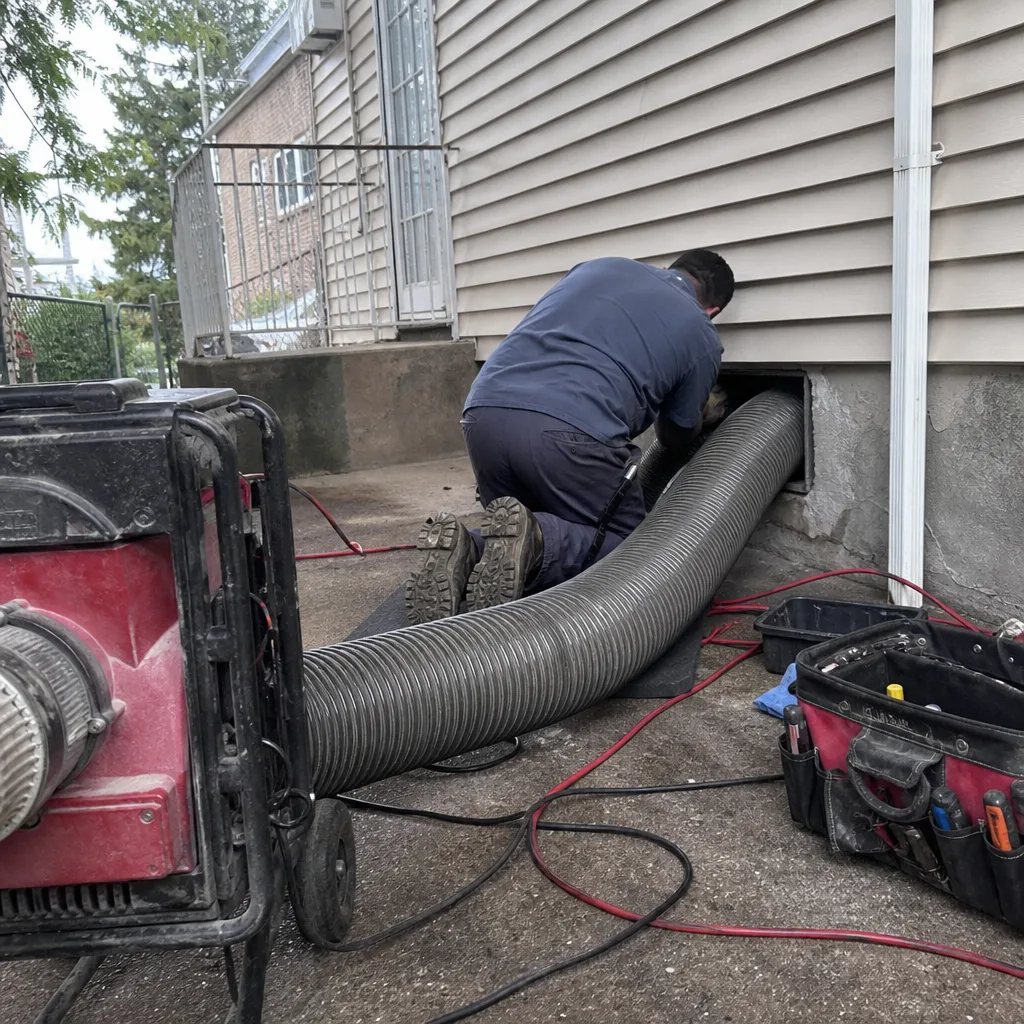 Before
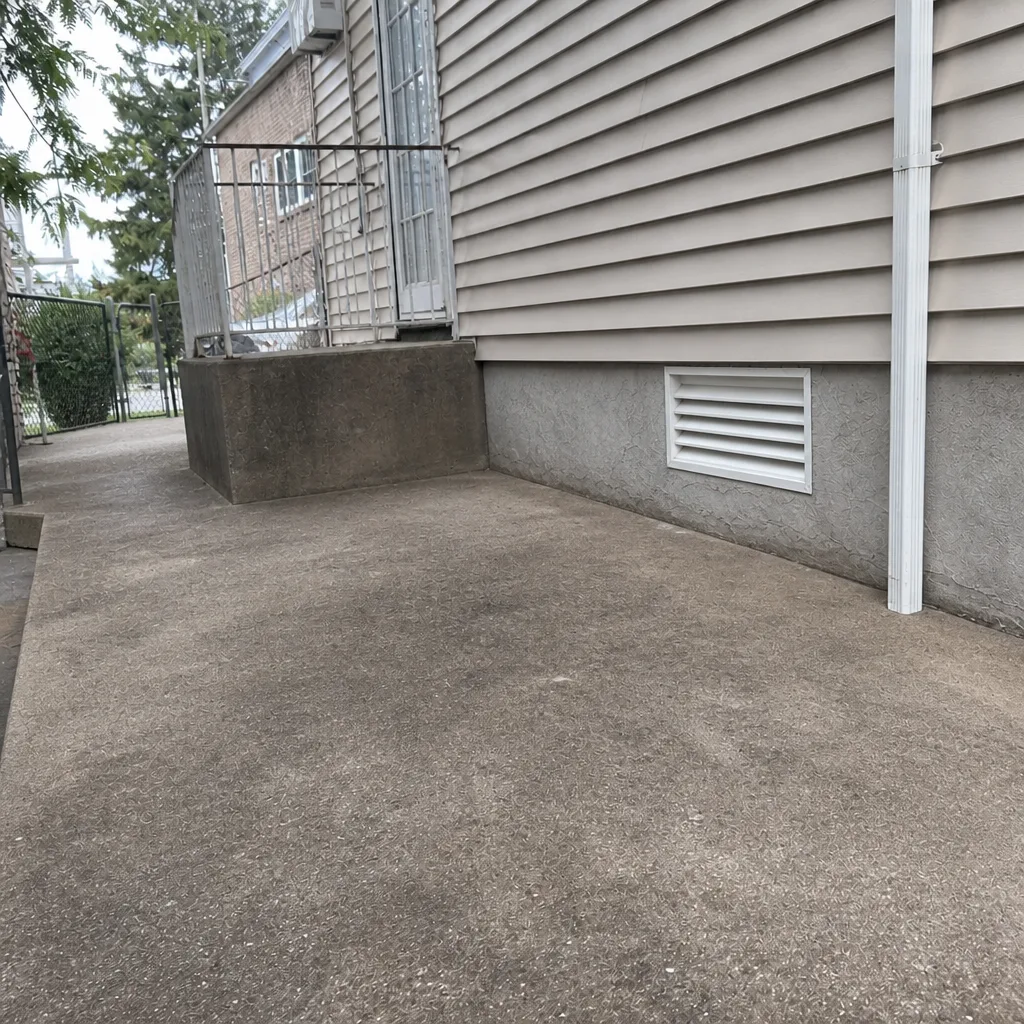 After
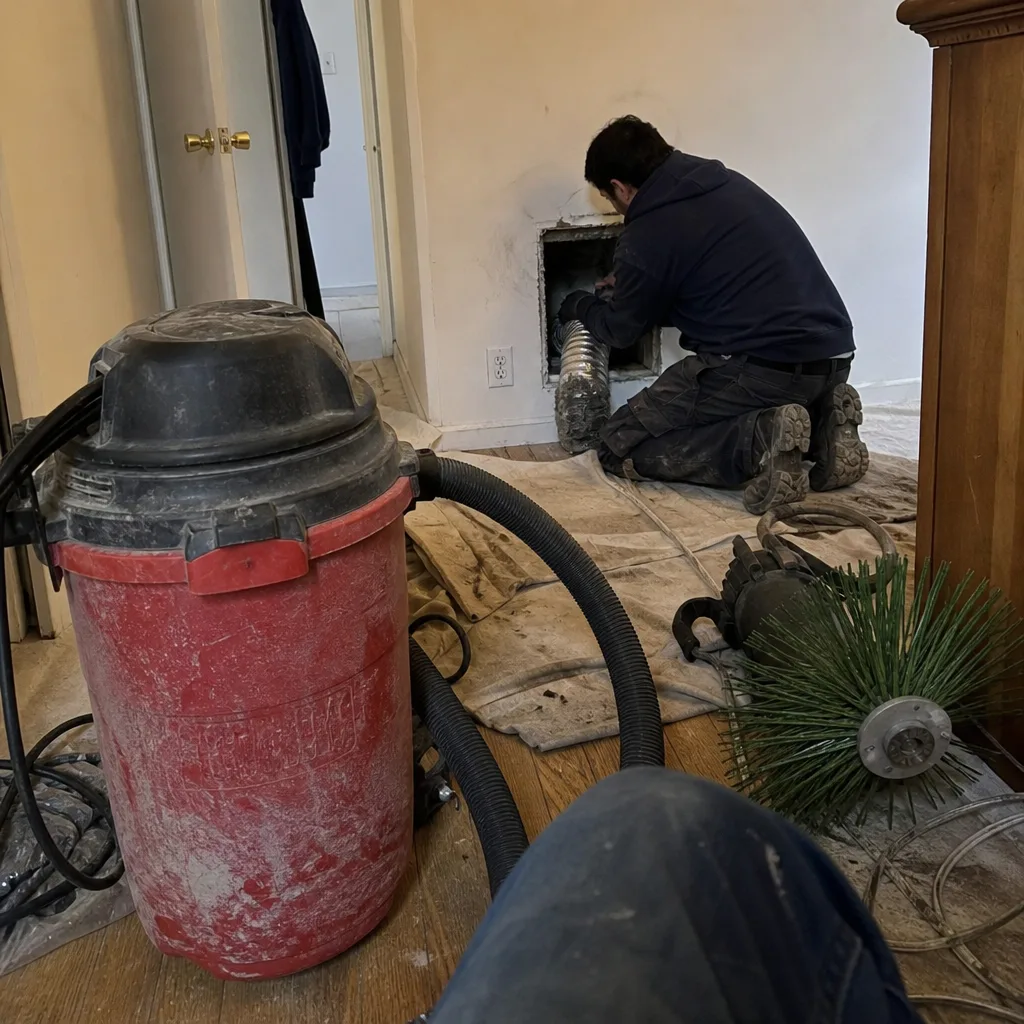 Before
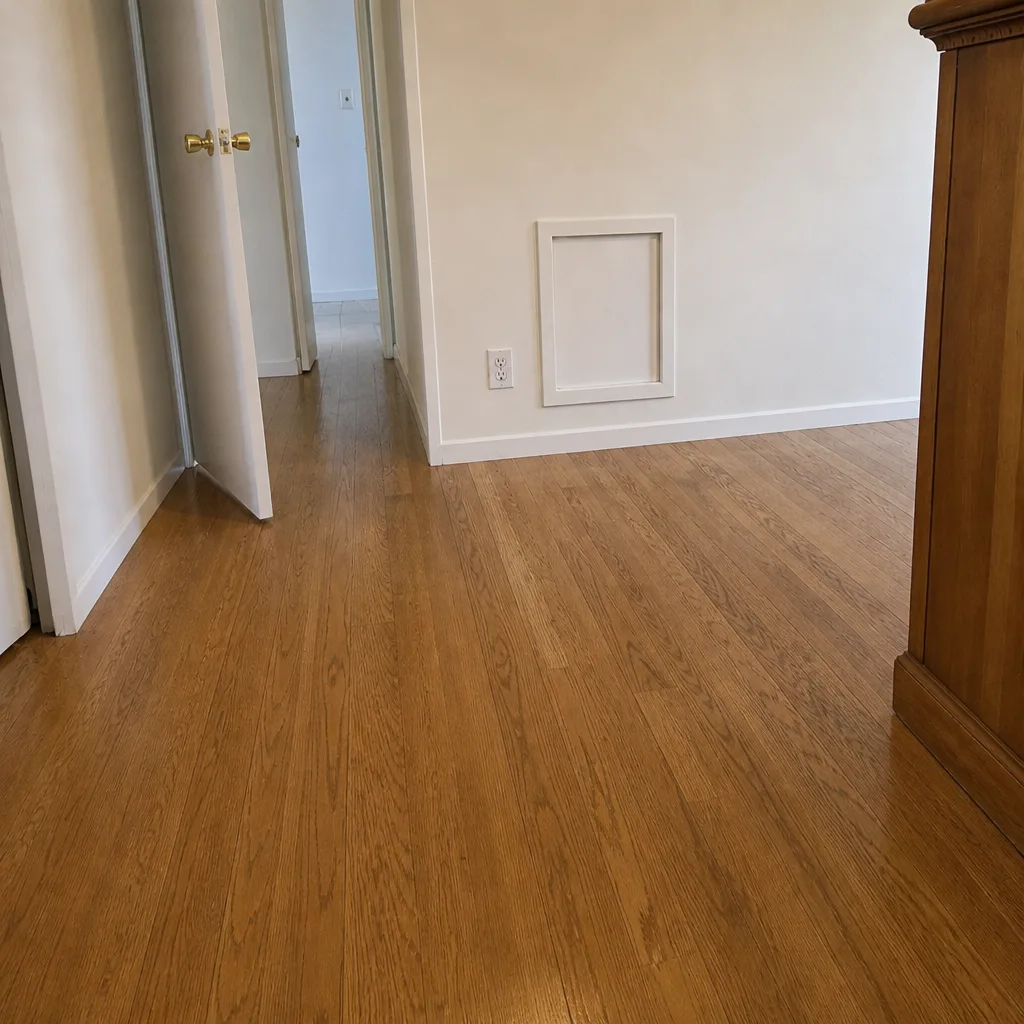 After
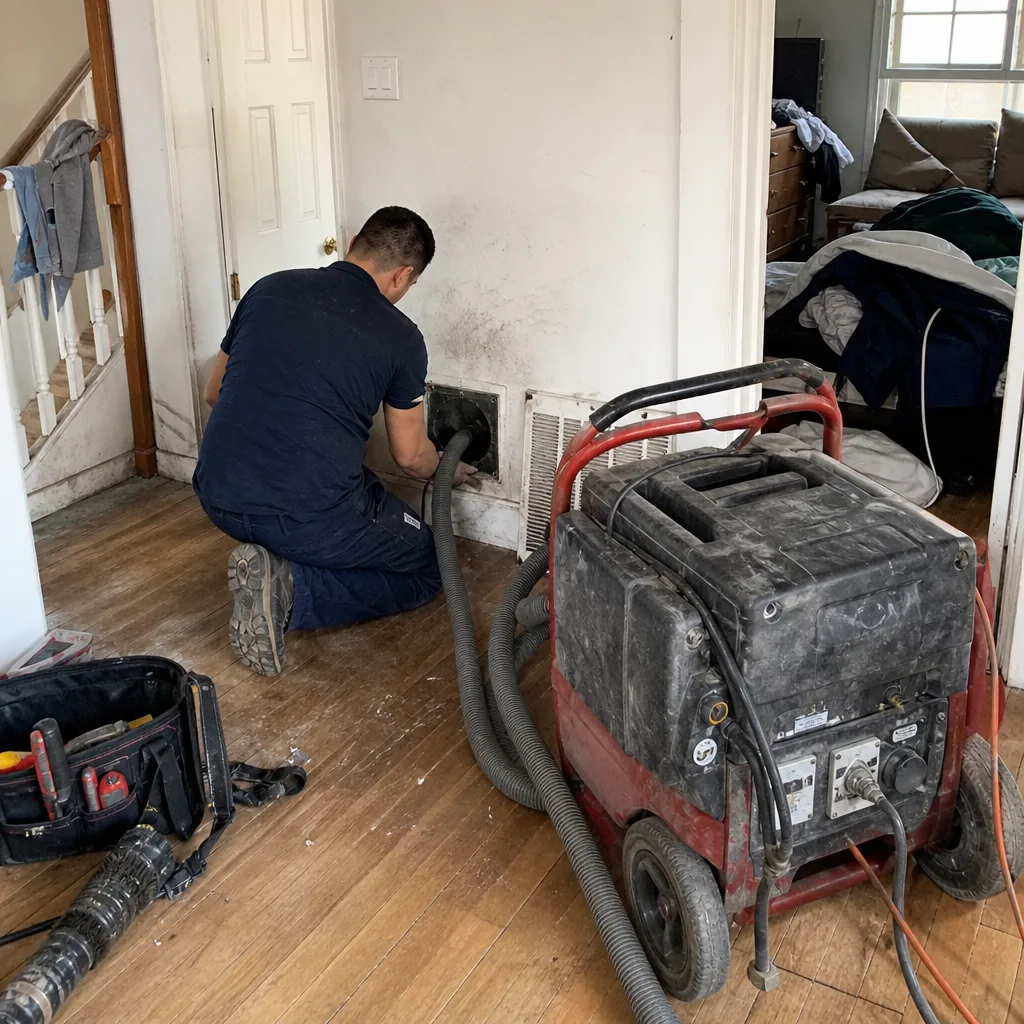 Before
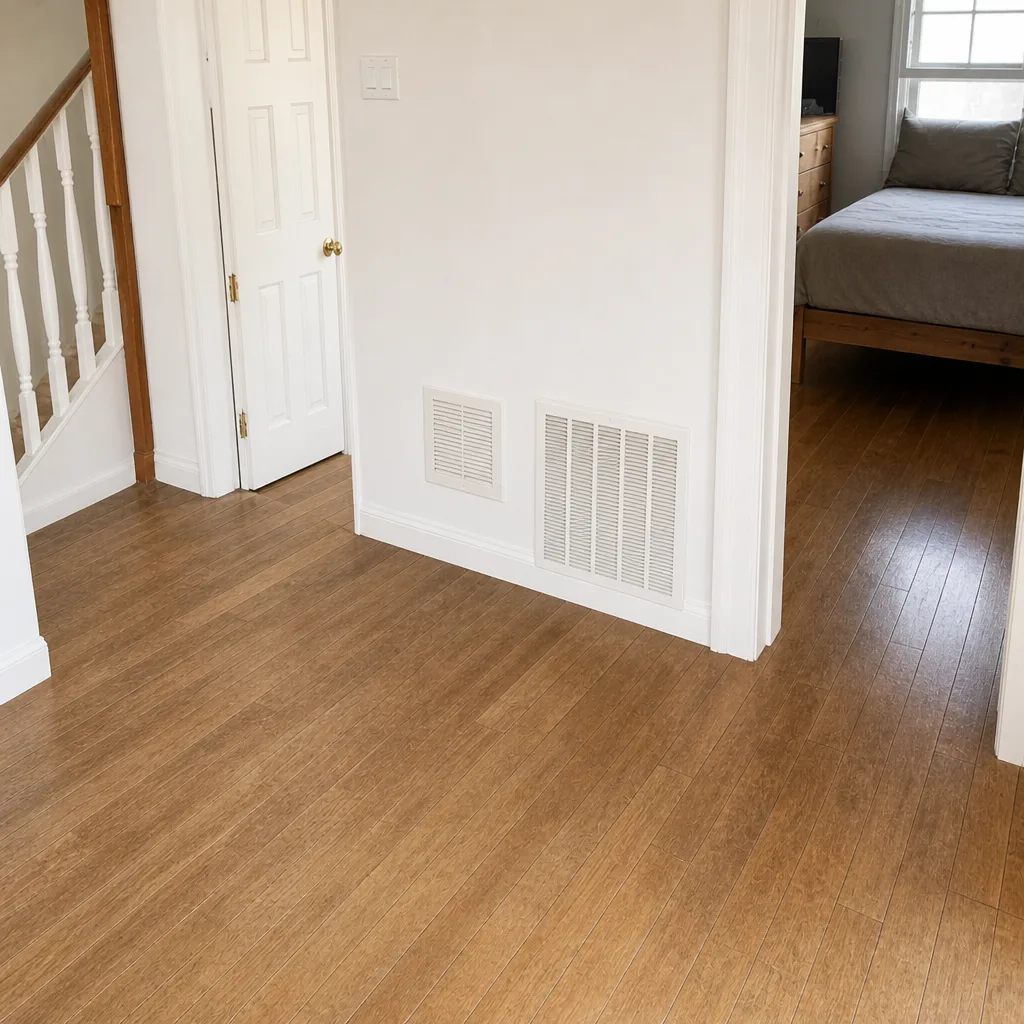 After
When to Call a Professional
There are specific situations in Soundview where the paperwork isn’t the only reason to bring in a trained technician. High-tension duct systems and any work that touches the mechanical plant, combustion air pathway, or a shared building exhaust carry real risk if handled wrong. We flag those as safety work, not cleaning work.
Call us when:
- You’ve noticed a collapse in airflow or uneven heating in part of a Soundview co-op or brownstone.
- A prior contractor’s duct work came up as undocumented in a building inspection or at a point of sale.
- You’re a property manager preparing for Local Law 97 compliance review on a building over 25,000 square feet.
- You’ve spotted a rodent-damaged or water-intruded flex run and want it assessed before it’s sealed.
- A duct alteration is scoped and you want to know whether a permit is required before you commit.
- You’ve filed an HVAC complaint through Con Edison or NYCHA and want a documented cleaning and assessment on the record.
Air Duct Cleaning Soundview offers free estimates in Soundview. Call (844) 630-1582. We answer 24/7. Fast dispatch from 7am to 7pm, Sunday through Friday. The estimate is free and the price is set per job by the written estimate, agreed before any work starts.
We use Rotobrush and Nikro equipment on the cleaning side, and we document the scope on the alteration side, so the paperwork and the work line up.
Frequently Asked Questions
No. Air duct cleaning is classified as maintenance under the NYC Mechanical Code and does not require a permit. Permit triggers appear when the work changes the duct system itself: cutting new access panels, replacing duct sections, or installing equipment inside the air handler. Call (844) 630-1582 for an exact quote and a free estimate, and we’ll confirm which category your job falls under before you commit.
Often, yes, especially in buildings over 25,000 square feet where the work supports Local Law 97 compliance. Sealing that involves mastic applied to compromised duct surfaces or replacing sections of flex with rigid duct is a mechanical alteration, not maintenance. Sealant applied to sound, existing joints is generally maintenance. Call (844) 630-1582 for an exact quote, and we’ll walk through which category your specific work lands in.
Combustion air pathway integrity, mostly. Duct work cut into near a boiler or furnace, or sealed with the wrong material, can affect draft and combustion air supply. An unpermitted access panel near the mechanical plant is one of the first things flagged. If you’ve had work done and want it documented before a complaint is filed, call (844) 630-1582 for a free estimate on an assessment.
Ask for their license number and category, then cross-check it against the NYC Department of Buildings public license lookup. A master mechanical license allows permit filing and alteration work. A business license does not. Request the insurance certificate from the broker, not from the contractor, and confirm the business name on the certificate matches the license. Call (844) 630-1582 if you want to talk through your job scope first.
Yes, frequently. Boards commonly require an alteration agreement before any work involving a wall, ceiling, or duct chase, plus proof of contractor insurance, sometimes a super’s post-work inspection, and a board resolution if the work touches a shared riser or common exhaust. The DOB filing is separate and stacked on top. Call (844) 630-1582 before you schedule work if you’re not sure which approvals apply.
The cheapest quotes are almost always per-vent pricing on cleaning only, with no scope for repair, sealing, or documentation. That’s fine if the ducts are sound and clean. It’s a problem if the job actually needs alteration work, because the low quote leaves no room for the permit filing, insurance documentation, or the structural repair. Call (844) 630-1582 for a free estimate that covers the whole-system scope, not just the cleaning line.
The Bottom Line
Air duct cleaning in Soundview doesn’t require a permit. Duct alteration does, and the difference between the two is the difference between a maintenance exemption and a mechanical filing with the NYC Department of Buildings. If a contractor cuts an access panel, replaces a duct run, or installs equipment in your air handler without a permit, you carry the liability, not them. The fix is straightforward: know which side of the line your job is on, verify the contractor’s mechanical license before hiring, and keep the paperwork for resale. Call (844) 630-1582. We answer 24/7. Fast dispatch from 7am to 7pm, Sunday through Friday. Estimates are free.
Written by the team at Air Duct Cleaning Soundview.