
Last updated November 22, 2026
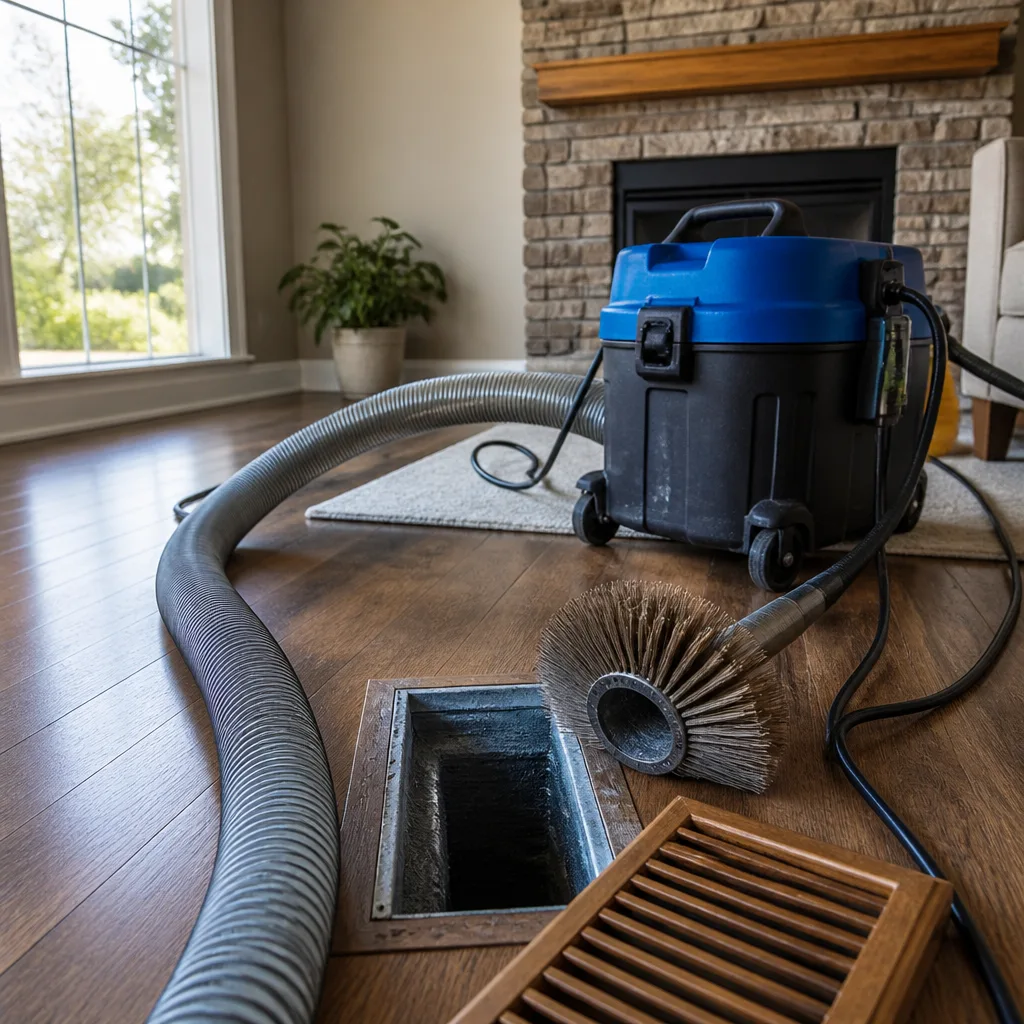 Whole-home duct cleaning
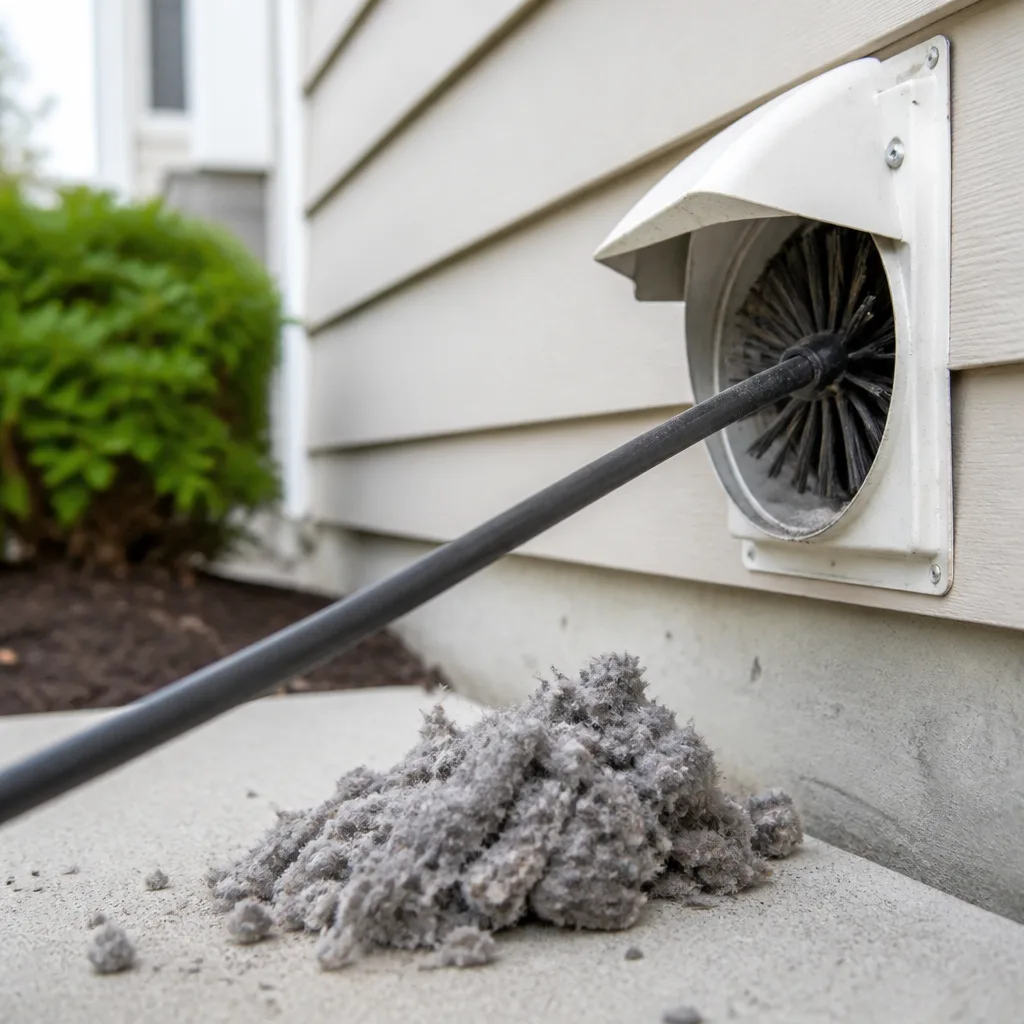 Dryer vent cleaning
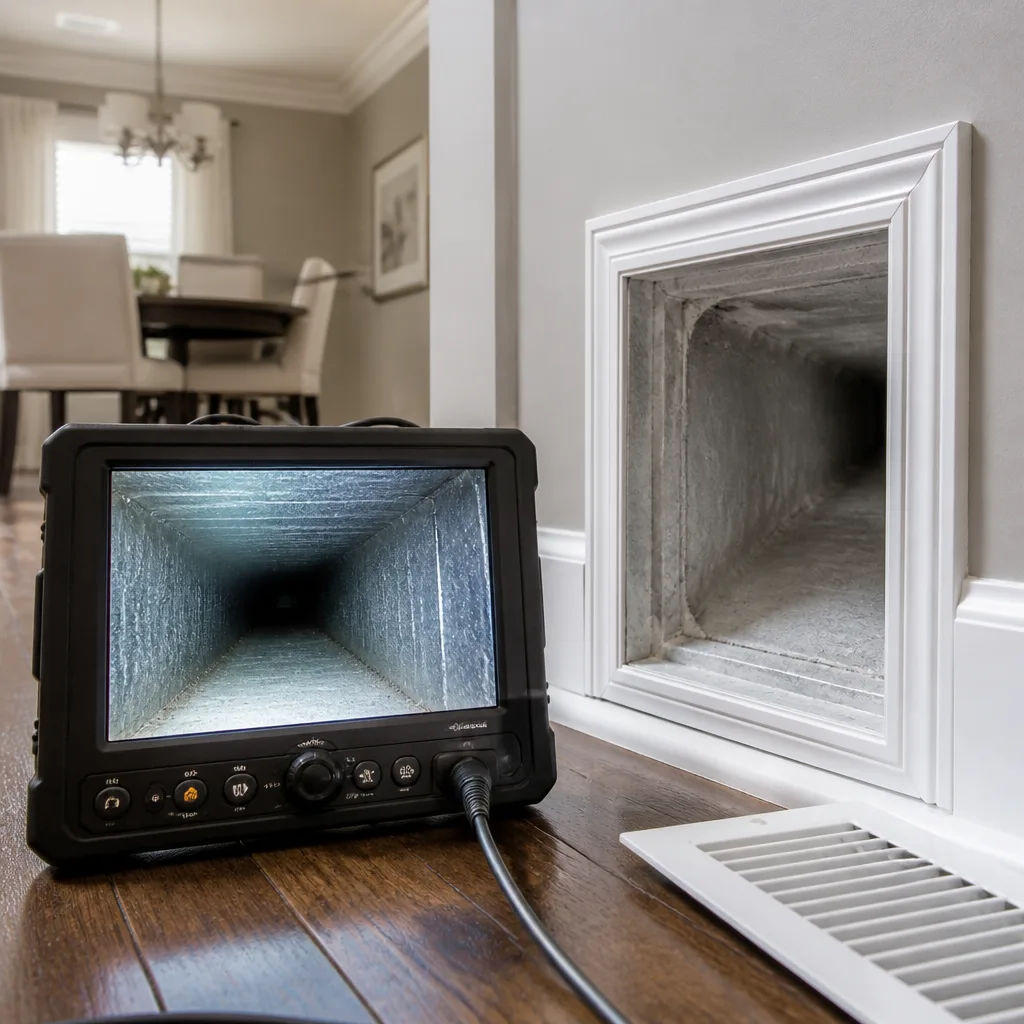 Camera inspection
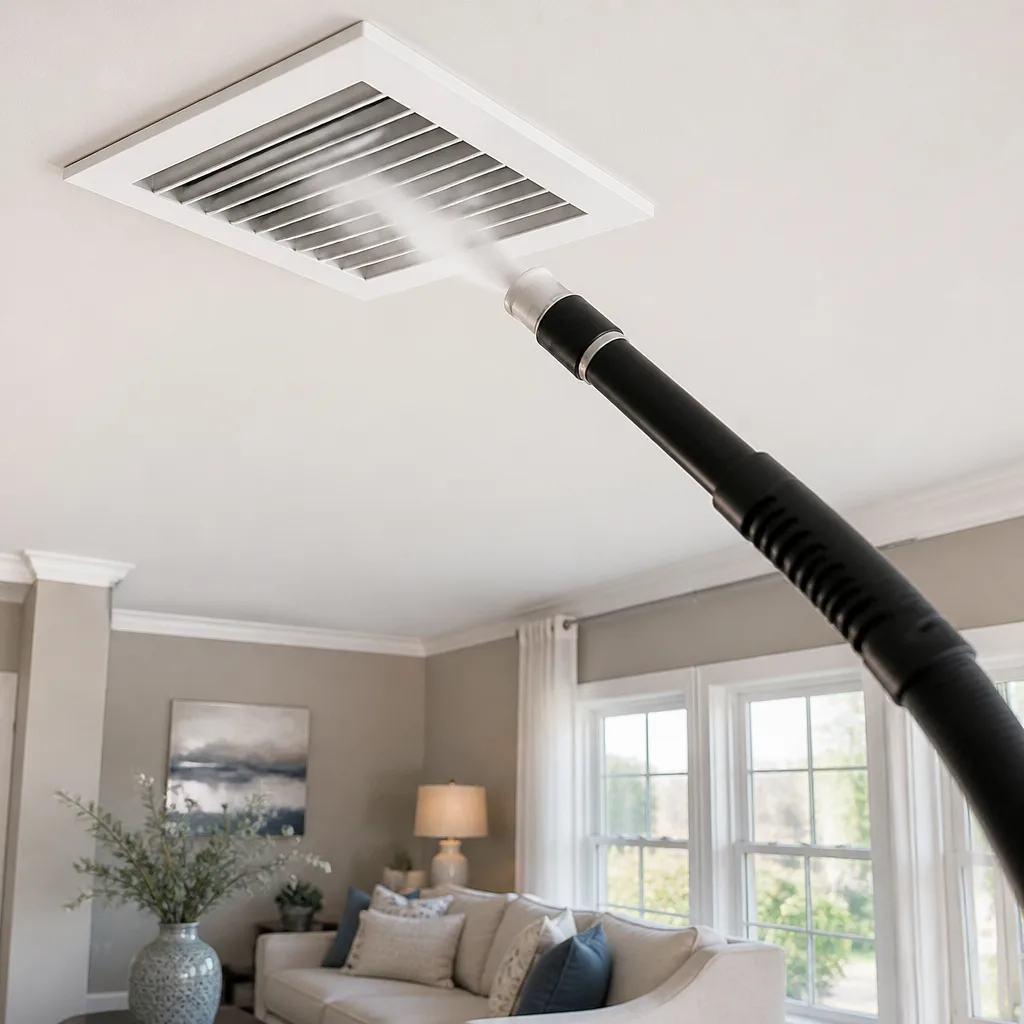 Sanitizing & deodorizing
Whole-system duct and dryer vent check with before-and-after photos - you see exactly what came out of your vents
That "$99 whole-house special" is a bait ad - the real number appears once they are in your hallway, or the "clean" is a shop-vac at the register. We photograph the inside of your ducts before and after instead.
Air Duct Cleaning Troubleshooting in Soundview: Common Problems and How to Fix Them
If you cleaned your vents and nothing changed, the vents were never the problem. That’s the part most Soundview homeowners skip past. A register cover sitting on your floor or ceiling is the last stop in a long run of ductwork, and the buildup, breach, or blockage causing weak airflow or musty smells usually lives far upstream of it, in the trunk line, in a flex run behind a wall, or right at the air handler where the system meets the ductwork. You can vacuum a grille every week and never touch the source. This guide is built to help you trace each symptom back to its actual mechanical cause, tell a dirt problem from a leakage problem, and know which ones you can confirm yourself before anyone visits. We work on duct systems in Soundview all the time, and these are the patterns we see again and again.
Quick Answer
Most duct problems in Soundview come down to one of three root causes: debris buildup in the trunk line or at the air handler, air leakage at joints or disconnected flex sections, or moisture and biological growth upstream near the evaporator coil. Weak airflow across every room usually points to buildup or a failing blower; weak airflow in one or two rooms points to a disconnected or crushed flex run; musty odors right after a cleaning usually mean the growth is on the coil or the plenum, not in the ducts you just had cleaned. A tissue test at each register and a static pressure reading will tell you which category you’re in before you spend anything.
Styles & brands we work with
- Whole-home duct cleaning
- Dryer vent cleaning
- Camera inspection
- Sanitizing & deodorizing
Table of Contents
- Dirty Ducts vs. Leaking Ducts: How to Tell the Difference
- The Tissue Test and Static Pressure Method
- What Musty Odors After Cleaning Usually Mean
- Why Some Rooms Are Always Cold or Hot
- Debris Blockage vs. a Collapsed Flex Duct Liner
- Dryer Vent Problems That Get Mistaken for Duct Problems
- What You Can Check Yourself vs. What Needs a Technician
- When to Call a Professional
Dirty Ducts vs. Leaking Ducts: How to Tell the Difference
A dirty duct and a leaking duct can produce the same complaint: “the air doesn’t feel strong enough.” They need completely different fixes, and cleaning a system that’s actually leaking wastes your money. Dust buildup restricts flow from the inside. Leakage loses conditioned air before it ever reaches the room, so the system runs longer and the rooms stay uncomfortable. In a Soundview apartment building or a postwar house with original sheet-metal trunk lines, we find both at once often enough that it’s worth testing for each separately.
Here’s how the two problems behave differently:
- Dirty ducts: airflow is weak at every register, the blower sounds normal, and the filter loads up fast. You may see dust streaks around the supply grilles.
- Leaking ducts: airflow is strong at some registers and weak at others, certain rooms never reach temperature, and you may notice dust being pulled in around gaps in the return. In a basement or utility closet, feel along the seams of the plenum for escaping air while the system runs.
Leakage in the return side is worse than it sounds. A return duct running through an unconditioned crawl space or attic under negative pressure draws outside air, insulation fibers, and dust straight into the system. That’s a sealing job, not a cleaning job, and it’s why we offer duct repair and sealing as a separate service rather than folding it into a standard clean. When we assess a system, we check the seams, the boot connections, and the flex collars, because a thorough air duct cleaning on a leaking system just re-dirties itself within a season.
The Tissue Test and Static Pressure Method
The tissue test tells you whether a register is actually moving air, and it costs nothing. Hold a single-ply tissue against the supply grille while the system runs on fan-only. If it flutters and holds against the grille, you have flow. If it droops or falls away, that run is starved. Do this at every register and note which ones pass and which fail. A pattern of all-weak or a scatter of weak registers tells you almost everything about where to look next.
- Run the fan only (not heat or cool) so you’re measuring airflow, not temperature.
- Test every supply register with a tissue and write down pass or fail for each room.
- Test the return grille the same way. Strong return pull with weak supply points to a blockage or a damper issue, not a weak blower.
- Check the filter and replace it if it’s loaded. A clogged filter mimics a duct blockage across the whole house.
- Look for closed dampers at the branch takeoffs near the plenum. Homeowners close them for one season and forget them for years.
Static pressure is the professional version of the same test. A technician reads pressure across the air handler, and a high total external static pressure tells you the system is working against resistance, whether from a dirty coil, an undersized return, or crushed flex. That number decides whether you need cleaning, a duct repair, or a return-air upgrade. We use Rotobrush and Nikro equipment on the cleaning side, but the diagnosis comes first, and static pressure is how we confirm it before we recommend anything.
What Musty Odors After Cleaning Usually Mean
A musty smell that persists after a duct cleaning almost never means the ducts weren’t cleaned well. It usually means the growth is upstream of the ducts, on the evaporator coil, in the drain pan, or on the interior insulation of the plenum. Cleaning the ductwork doesn’t touch those surfaces, so the smell returns within days. In Soundview’s humid summer months, a cooling coil that stays wet between cycles is exactly the environment where this happens, and it’s the single most common reason a homeowner calls us back saying the smell didn’t go away.
Where the odor actually lives:
- Evaporator coil: a damp, dust-coated coil grows biological material on the fins. The smell enters the airstream the moment the fan starts.
- Drain pan and condensate line: standing water in a pan that doesn’t drain fully will smell, and the blower pulls that smell through the whole system.
- Duct interior insulation: if the liner got wet from a coil or plenum leak, it holds moisture and odor. Cleaning the surface doesn’t fix saturated insulation.
- Return plenum: a return that draws from a damp basement or crawl space brings that smell along with it.
This is where sanitizing belongs, and it’s a distinct step from cleaning. We use Abatement Technologies air-purification equipment for this kind of work because it’s built for remediation-grade air quality rather than a light surface pass, and the product line covers the coil and plenum surfaces where the growth actually sits. If you’ve had a cleaning and the smell is back, ask for a coil and plenum inspection before you pay for a second cleaning. It’s also worth checking whether a whole-home air purifier from Honeywell or Aprilaire makes sense once the source is corrected, so the system stays cleaner between visits.
Why Some Rooms Are Always Cold or Hot
Uneven room temperatures are almost never a thermostat setting problem. They trace to a specific run of ductwork that isn’t delivering its share of air. In Soundview homes, the pattern usually shows up in rooms at the end of the longest duct run or in rooms added onto an older house where the duct was extended with a length of flex. The thermostat reads the room it’s mounted in and calls for more, so the comfortable rooms overshoot while the problem room never catches up.
The usual culprits, in the order we find them:
- Disconnected flex duct. A flex run pops off its collar at a takeoff or behind a wall, and that room gets almost nothing. This is common where flex was pulled tight during installation.
- Crushed or kinked flex. A run bent sharply around a corner or compressed against framing loses most of its capacity.
- Closed or partly closed damper. A branch damper near the plenum left in the wrong position starves one zone.
- Undersized return. A single small return for a whole floor makes every supply on that floor weak, and the farthest room suffers most.
- Long, uninsulated runs through a hot attic or cold crawl space. The air loses its temperature before it reaches the room.
You can confirm a disconnected run yourself in some cases. Feel the register in the cold room while the system runs. If there’s barely any flow and you can trace the flex through an accessible basement, attic, or closet, look for a collar that’s come loose. What you shouldn’t do is crawl through a hot attic or a tight crawl space to investigate on your own. That work belongs to someone with the equipment and the training, and it’s part of what a proper HVAC cleaning visit assesses before anyone touches a vacuum.
Debris Blockage vs. a Collapsed Flex Duct Liner
A blocked duct and a collapsed duct liner both kill airflow, but only one of them can be fixed by cleaning. Debris buildup, a nest, construction dust from a recent remodel, or a pile of material sitting in a low run of flex is a blockage. A collapsed inner liner is a failure of the duct itself. Flex duct has a plastic inner liner wrapped in insulation, and that inner liner can tear, sag, or peel away and fold in on itself. When that happens, the duct isn’t dirty. It’s broken, and no amount of cleaning will restore the airflow.
How to tell which one you’re facing:
- Debris blockage: airflow was fine, then dropped after a remodel, a pest problem, or years without service. Cleaning restores flow once the material is removed.
- Collapsed liner: airflow has been weak in that room for as long as you can remember, and cleaning doesn’t change it. If you can see the run, the flex may look pinched, sagging, or flattened along its length.
This matters because a collapsed liner means replacement, not cleaning, and a company that only sells cleaning will either clean around it or not mention it. When we find a failed section, we say so and quote the repair. The same logic applies to rigid sheet-metal duct that has separated at a seam or lost its connection at a boot. That’s why duct repair and sealing sits alongside cleaning in our service lineup. If you’re weighing a full replacement against repair, our dryer vent cleaning visits often turn up the same kind of liner failure on the dryer side, and the diagnosis is the same: replace what’s failed, clean what’s dirty.
Dryer Vent Problems That Get Mistaken for Duct Problems
Homeowners often lump the dryer vent in with the HVAC ducts, and the symptoms overlap enough to confuse anyone. A dryer that takes two cycles to dry a load, feels hot to the touch on top, or leaves the laundry room humid is showing a vent restriction, not an HVAC problem. But the fix and the urgency are different. A clogged dryer vent is a fire risk, and it’s the one duct problem on this list where waiting is genuinely dangerous. Lint accumulates at the transition behind the dryer and along the run, and the flexible foil or plastic duct many Soundview homes still have makes it worse.
Signs you’re looking at the dryer vent rather than the HVAC ducts:
- The dryer runs long, or clothes come out damp after a full cycle.
- The exterior vent flap barely moves when the dryer runs.
- The laundry area gets humid or the dryer body gets unusually hot.
- You haven’t had the vent cleaned since the appliance was installed, or you don’t know when it was last done.
Dryer vent cleaning is a separate service from duct cleaning, and we run it as one because it’s routinely overlooked. HVAC-only companies skip it, and appliance sellers rarely mention it. If your dryer vent runs are long, kinked, or made of the flexible foil type, have it checked. What you shouldn’t do is pull the dryer out and start dismantling the vent run yourself if it’s routed through a wall or a tight space. A technician can clear the full run and confirm the exterior termination is clear and intact.
What You Can Check Yourself vs. What Needs a Technician
There’s a real line between what a homeowner can confirm and what requires a trained technician with the right equipment. Knowing that line saves you money on unnecessary visits and prevents the kind of mistake that causes damage. Here’s where we draw it.
Check it yourself:
- The tissue test at every supply and return register, recorded room by room.
- Filter condition and replacement.
- Visible flex runs in an accessible basement or closet: look for a collar that’s popped off or a run that’s obviously kinked.
- Dampers at the takeoffs near the plenum, if they’re reachable without climbing or squeezing.
- Dust streaks and gaps around grilles and plenum seams.
Call a technician:
- Static pressure readings and diagnosis of a whole-system airflow problem.
- Anything in a crawl space, a hot attic, or behind finished walls.
- Coil and plenum inspection for musty odors.
- Sanitizing after moisture or biological growth.
- Replacing a collapsed flex run or resealing a trunk line.
- Any work near the electrical components of the air handler.
One safety note that matters here. The air handler and any wiring or controls around it carry live electrical current and moving parts. Don’t open panels you’re not trained to open, and don’t reach into the plenum or blower compartment while the system is running. A technician knows how to isolate the system before working on it, and that’s not something to skip.
When to Call a Professional
Call a professional when the symptom is systemic rather than local. If every register in the house feels weak, or the same room has been uncomfortable for as long as you can remember, the fix lives in the trunk line, the blower, the coil, or a run you can’t reach, and no amount of register vacuuming will change it. Call if a musty smell returns within days of a cleaning, if the dryer is running long, if you see a visibly kinked or popped-off flex run, or if you’re about to close on a Soundview property and want the duct system assessed before you commit. The other reason to call: you’ve done the tissue test, replaced the filter, and checked the accessible dampers, and the problem is still there. That’s your signal the diagnosis needs static pressure readings and a proper look at the air handler.
Air Duct Cleaning Soundview offers free estimates in Soundview. Call (844) 630-1582. We answer 24/7. Fast dispatch from 7am to 7pm, Sunday through Friday. Our technicians have up to 8 years of experience, and every visit starts with a diagnosis, not a sales pitch.
See the difference
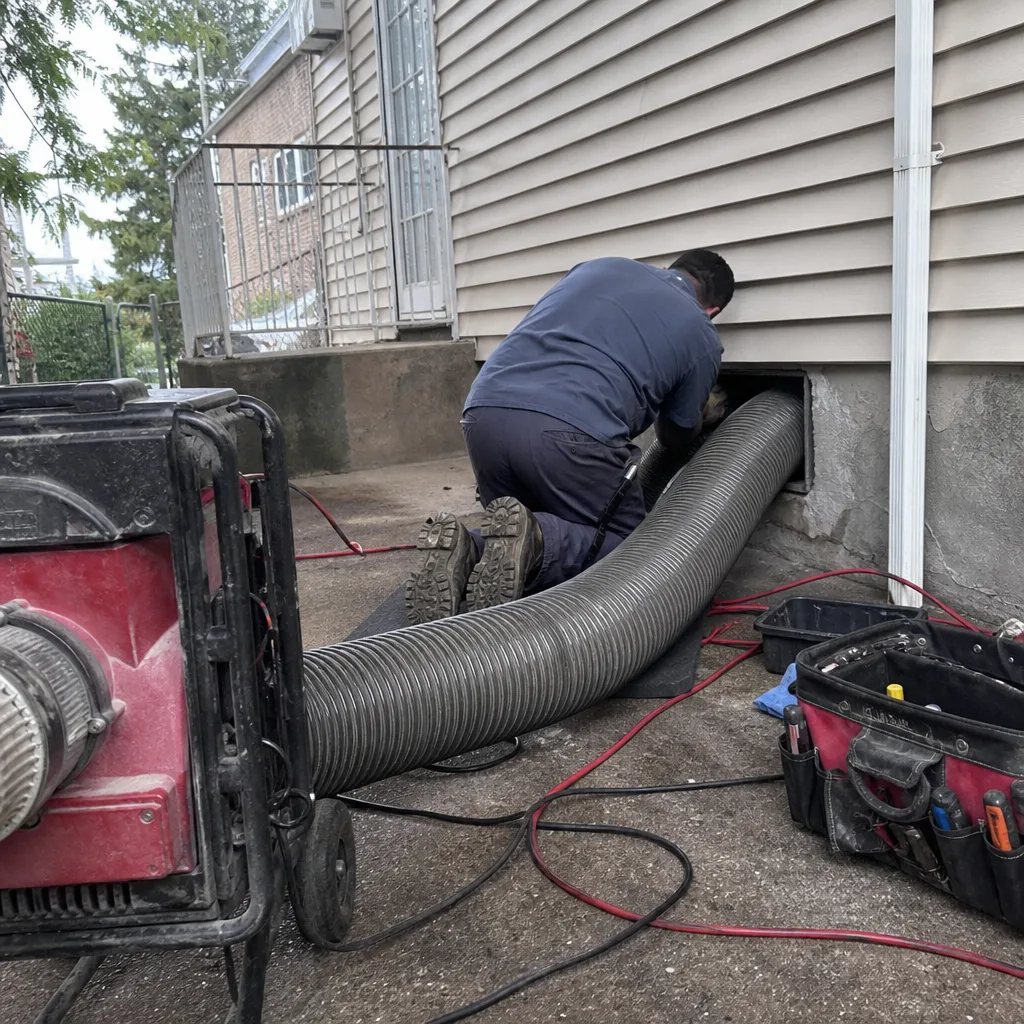 Before
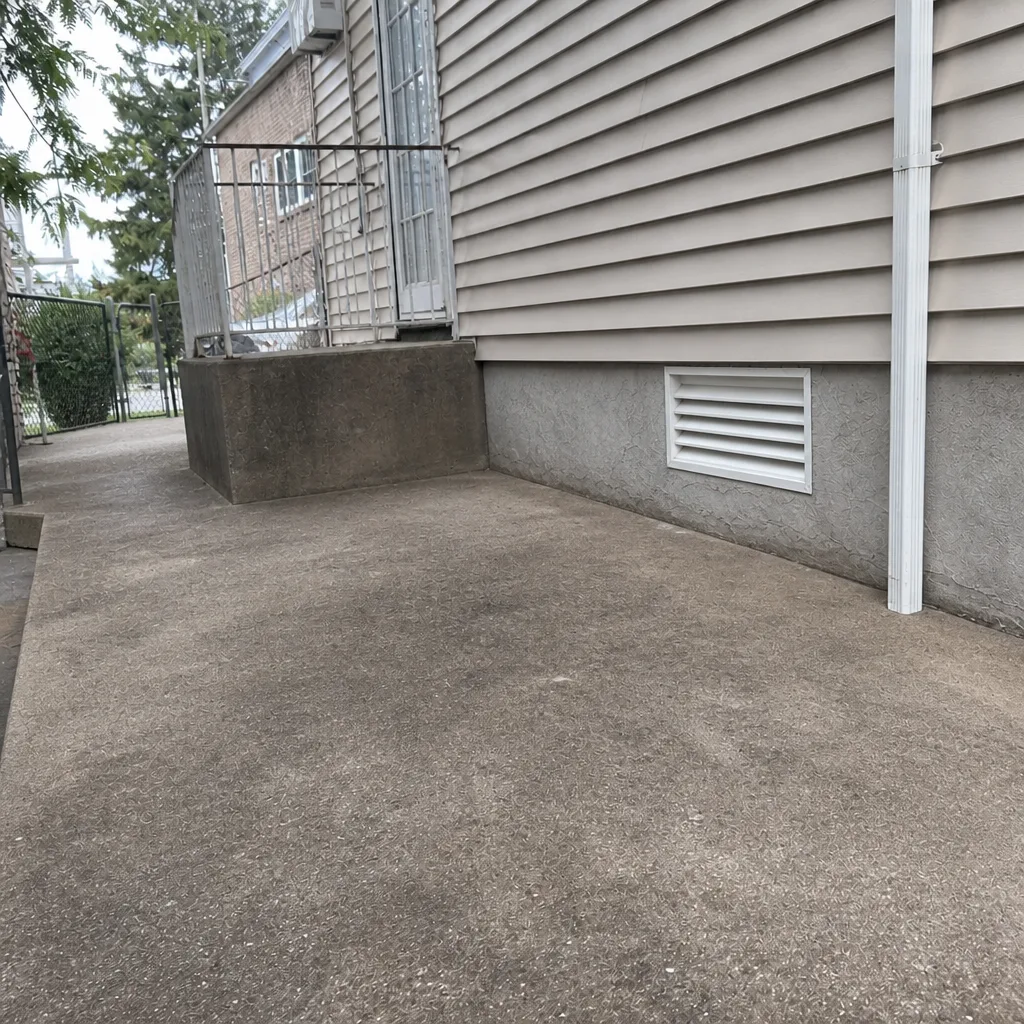 After
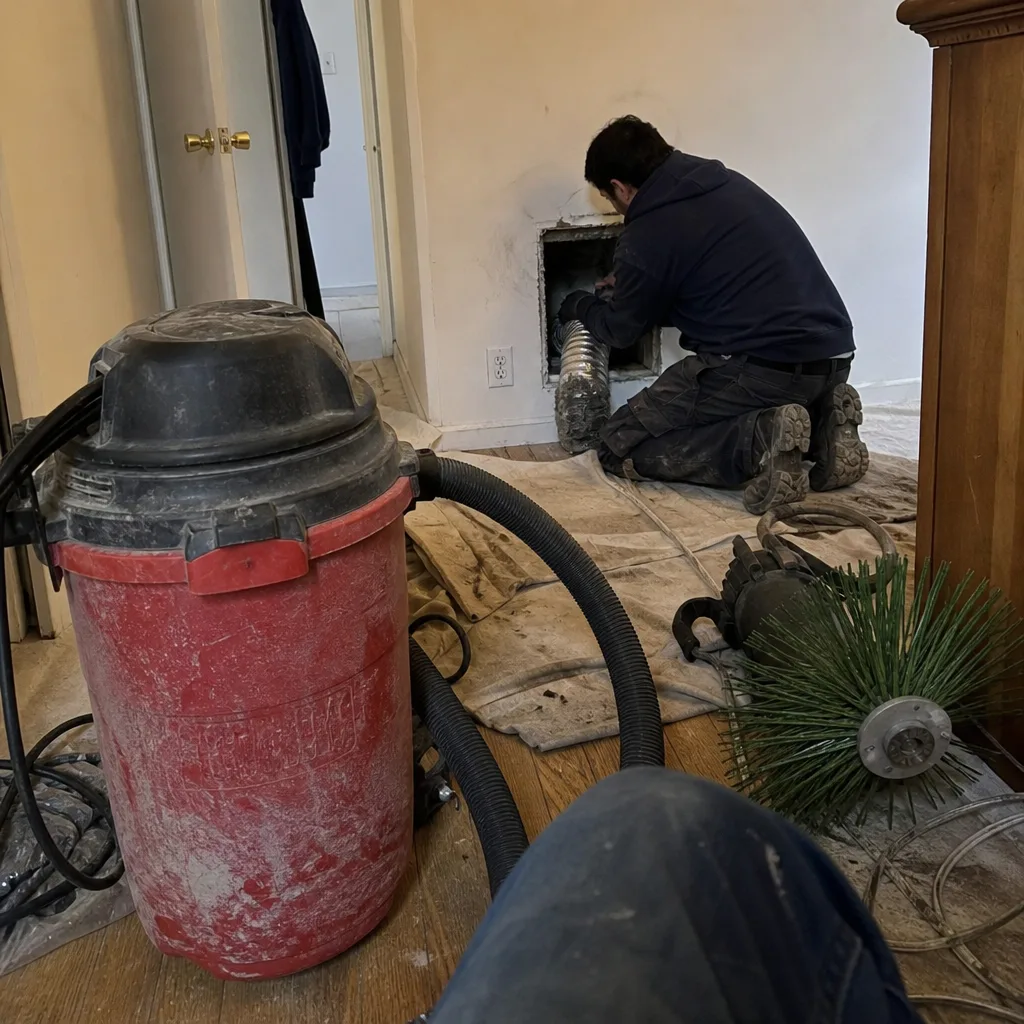 Before
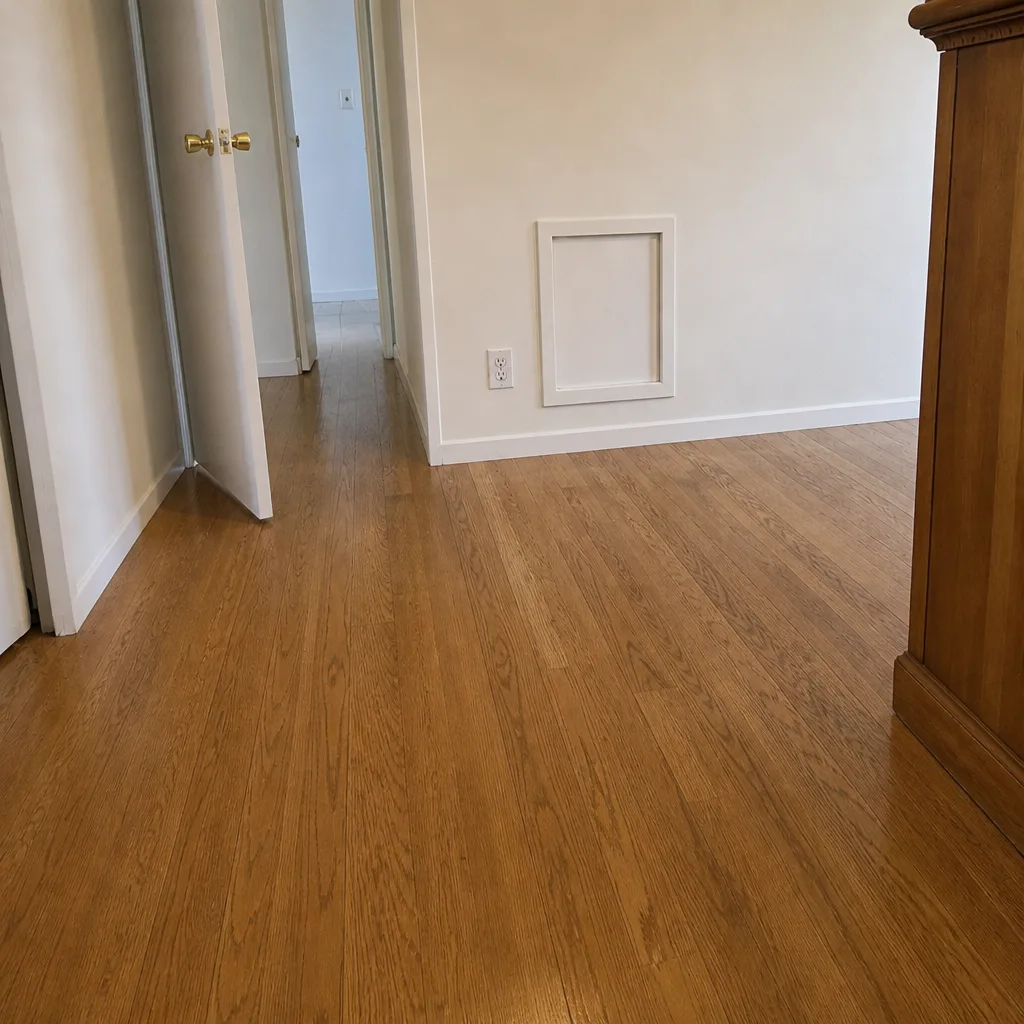 After
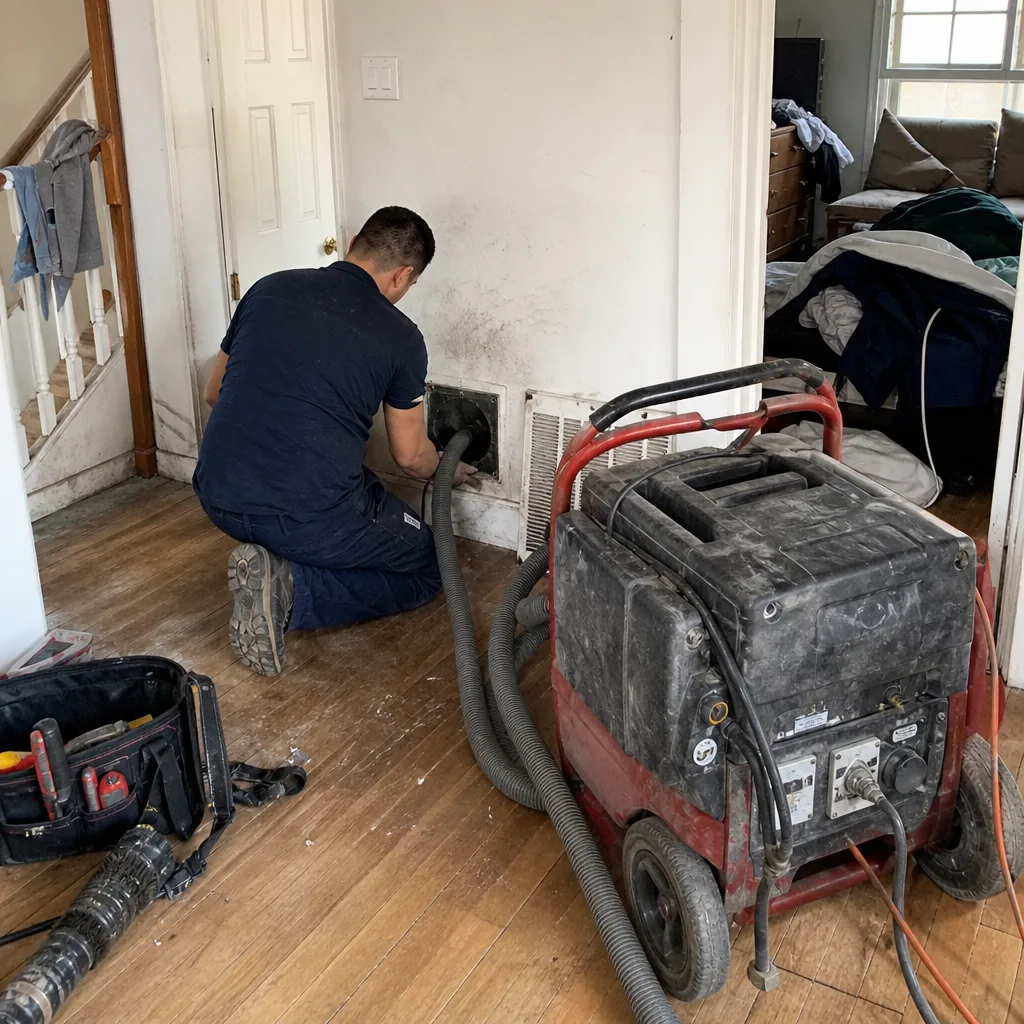 Before
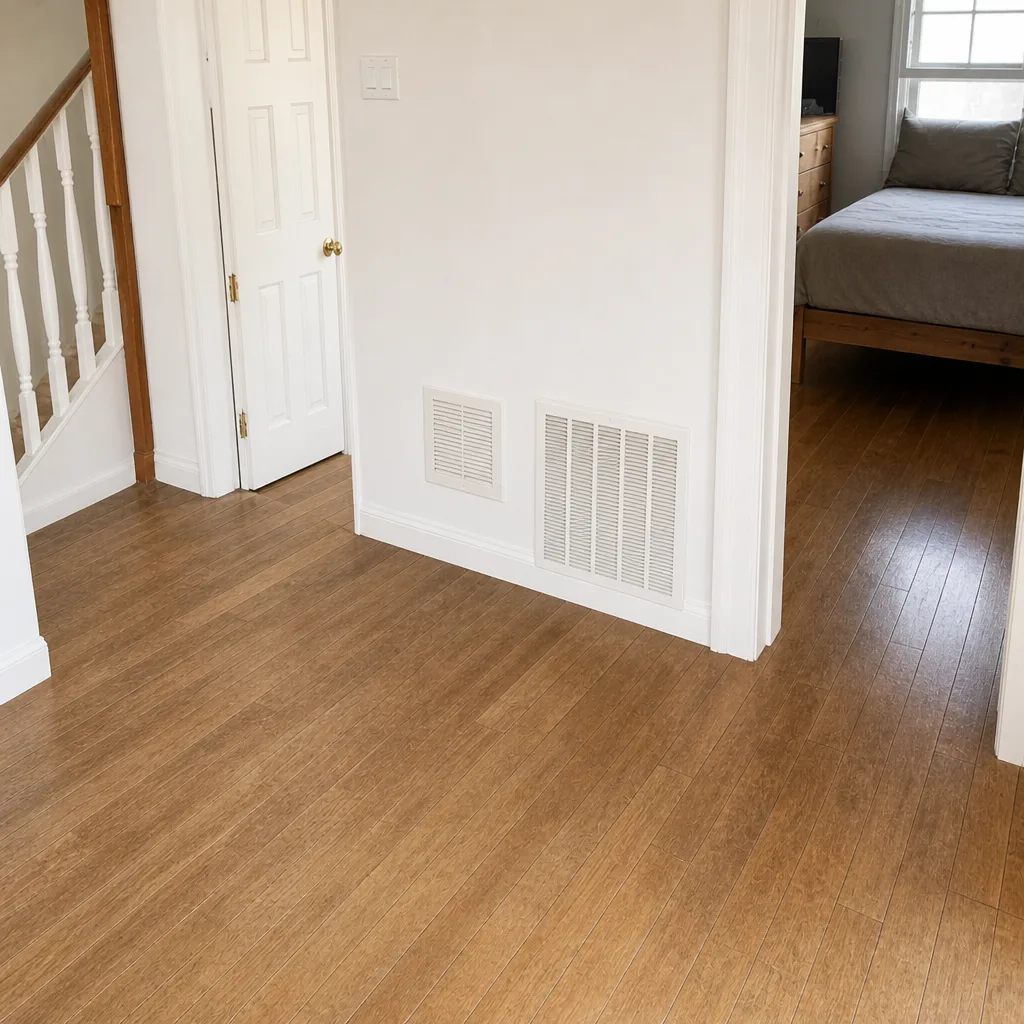 After
Common Mistakes to Avoid
- Cleaning before diagnosing. Many homeowners book a cleaning hoping it solves an airflow problem that’s actually a disconnected run. It won’t. Ask for a diagnosis first, then a cleaning if the system needs one.
- Assuming one weak room is a duct-cleaning job. A single starved register is almost always a disconnected or crushed flex run or a closed damper. A cleaning won’t touch that.
- Ignoring musty smells after a cleaning. If the smell comes back, the source is upstream at the coil or plenum. Book a coil and plenum inspection instead of a second cleaning.
- Treating a collapsed liner as dirt. A failed flex liner requires replacement, not cleaning. Cleaning a collapsed run just wastes money and leaves the room weak.
- Forgetting the dryer vent. Many Soundview homeowners service the HVAC ducts and never touch the dryer vent, which is a fire risk that a duct cleaning visit won’t cover unless you ask for it.
- Sealing one leak and calling it done. Leakage rarely happens at a single joint. Sealing the obvious gap in the plenum and skipping the boots and collars leaves most of the loss in place.
- Closing dampers to “balance” the house. Shutting dampers to force more air to one room often starves others and raises static pressure across the whole system. It’s a fix that creates a new problem.
Frequently Asked Questions
Air duct cleaning in Soundview is priced per system, not per vent, so a written estimate is what sets the final number. A whole-system cleaning sits at one flat price agreed before work starts, and the dryer vent and sealing work, if needed, are quoted separately. Be wary of any quote built on a per-vent figure. That’s the pricing model that grows once the technician is on site. Call (844) 630-1582 for an exact quote. Estimates are free.
Cheap quotes are usually per-vent pricing, a cleaning that skips the trunk line and air handler, or a vacuum-only pass with no diagnosis. When the technician arrives, the price grows to cover what the quote excluded. We quote one flat price per system with before-and-after photos of your own ducts so you know what you got. Call (844) 630-1582 for a free estimate.
Ask for before-and-after photos of your own ductwork, not generic marketing images. A proper cleaning also involves the trunk line and the air handler, not just the registers, so the photos should show work at those points. When you can see the change in your own system, there’s nothing left to assume. Call (844) 630-1582 if you want a system assessed before cleaning.
Most Soundview homes don’t need cleaning on a fixed schedule. Need depends on your system: pets, recent remodeling, moisture problems, and the condition of your filter all change the interval. A home with a well-sealed system and a maintained filter can go years between cleanings. A system with leakage or moisture needs attention sooner. Ask for a diagnosis rather than a schedule. Call (844) 630-1582 for a free estimate.
One consistently cold room usually traces to that room’s own duct run: a disconnected flex collar, a crushed section, or a damper left closed. The thermostat is fine. The run isn’t delivering air. Confirm it with the tissue test at that register, then have the run checked before assuming the whole system needs cleaning. Call (844) 630-1582 for an assessment.
Often not, if the smell returns within days. A musty odor that persists after a cleaning usually comes from the evaporator coil, drain pan, or plenum insulation upstream of the ducts, and those surfaces aren’t touched by a duct cleaning. Sanitizing with Abatement Technologies air-purification equipment addresses the actual source. Call (844) 630-1582 to have the coil and plenum inspected.
The Bottom Line
Almost every duct complaint you can name has a root cause somewhere upstream of the register: buildup in the trunk line or at the air handler, a leak at a collar or boot, a disconnected or collapsed flex run, or moisture and growth on the coil. The tissue test and a filter check will narrow it down yourself; static pressure and a coil inspection settle the rest. Don’t pay for a cleaning to fix a leak, don’t clean around a collapsed liner, and don’t confuse a dryer vent restriction with an HVAC problem. Diagnose first, then clean, seal, repair, or replace what’s actually failing. If you’d rather have someone walk the system with you, Air Duct Cleaning Soundview offers free estimates in Soundview. Call (844) 630-1582. We answer 24/7, with fast dispatch from 7am to 7pm, Sunday through Friday.
Written by the team at Air Duct Cleaning Soundview.