
Last updated November 22, 2026
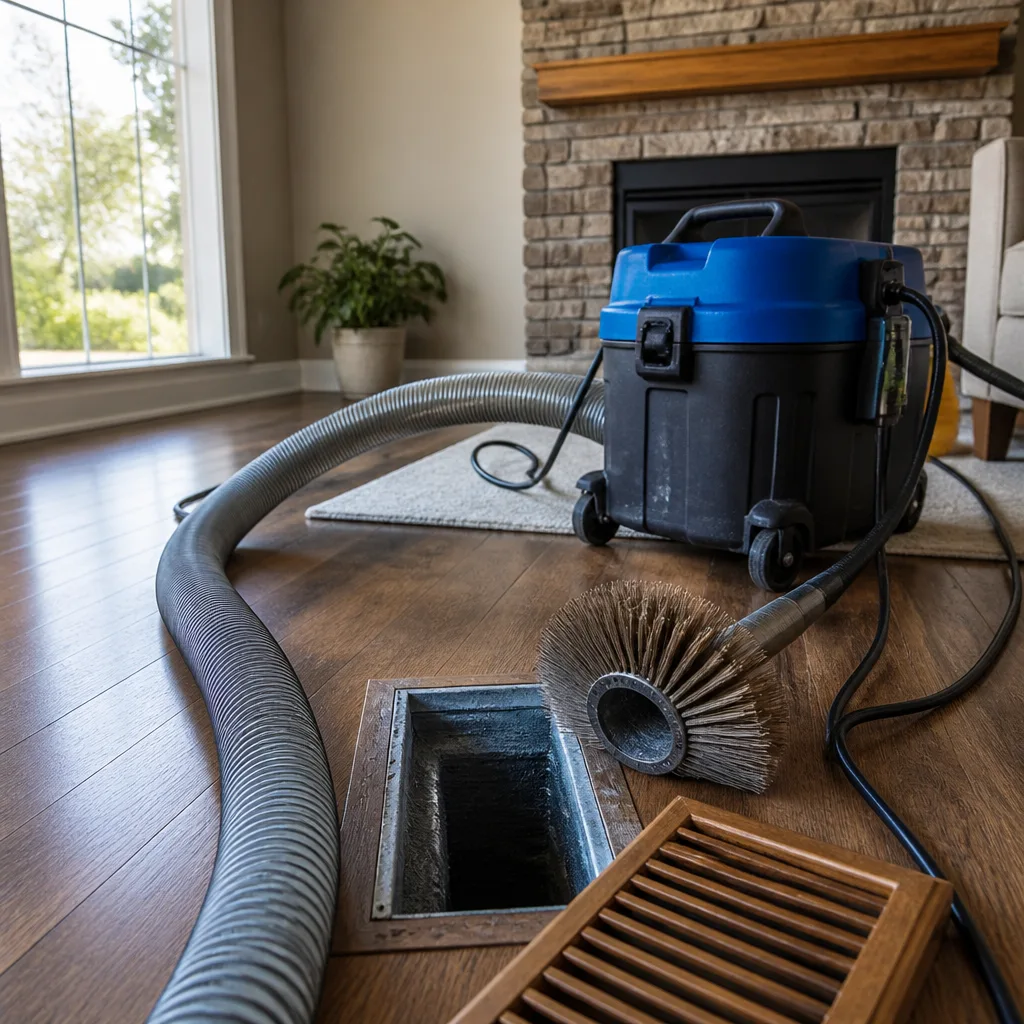 Whole-home duct cleaning
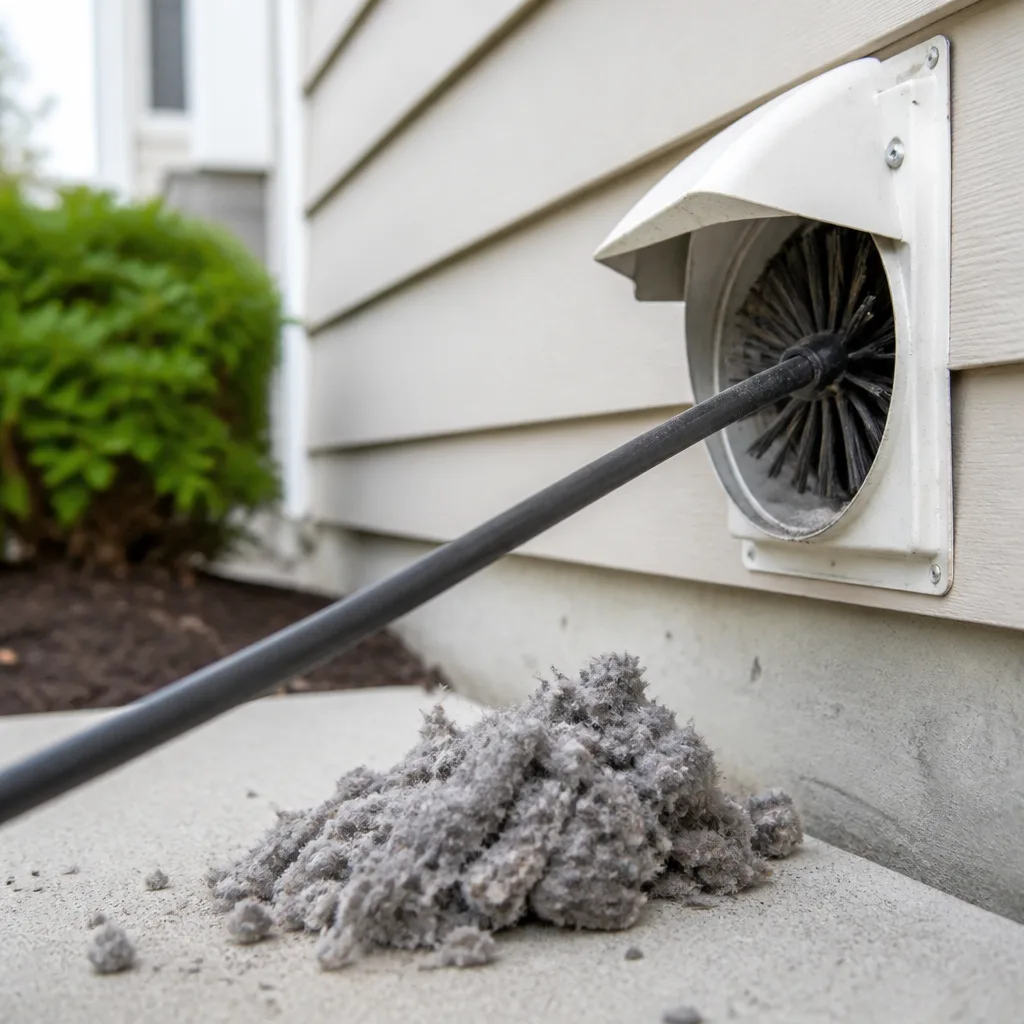 Dryer vent cleaning
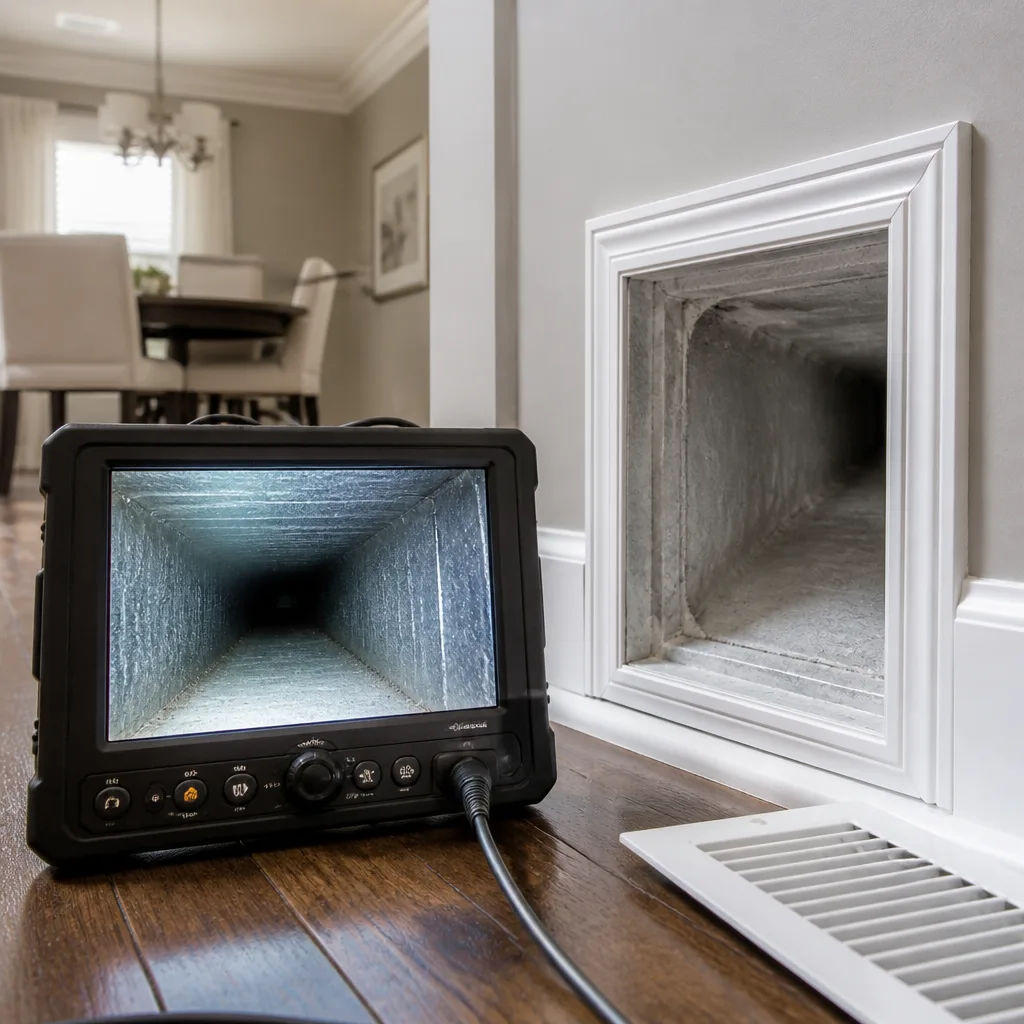 Camera inspection
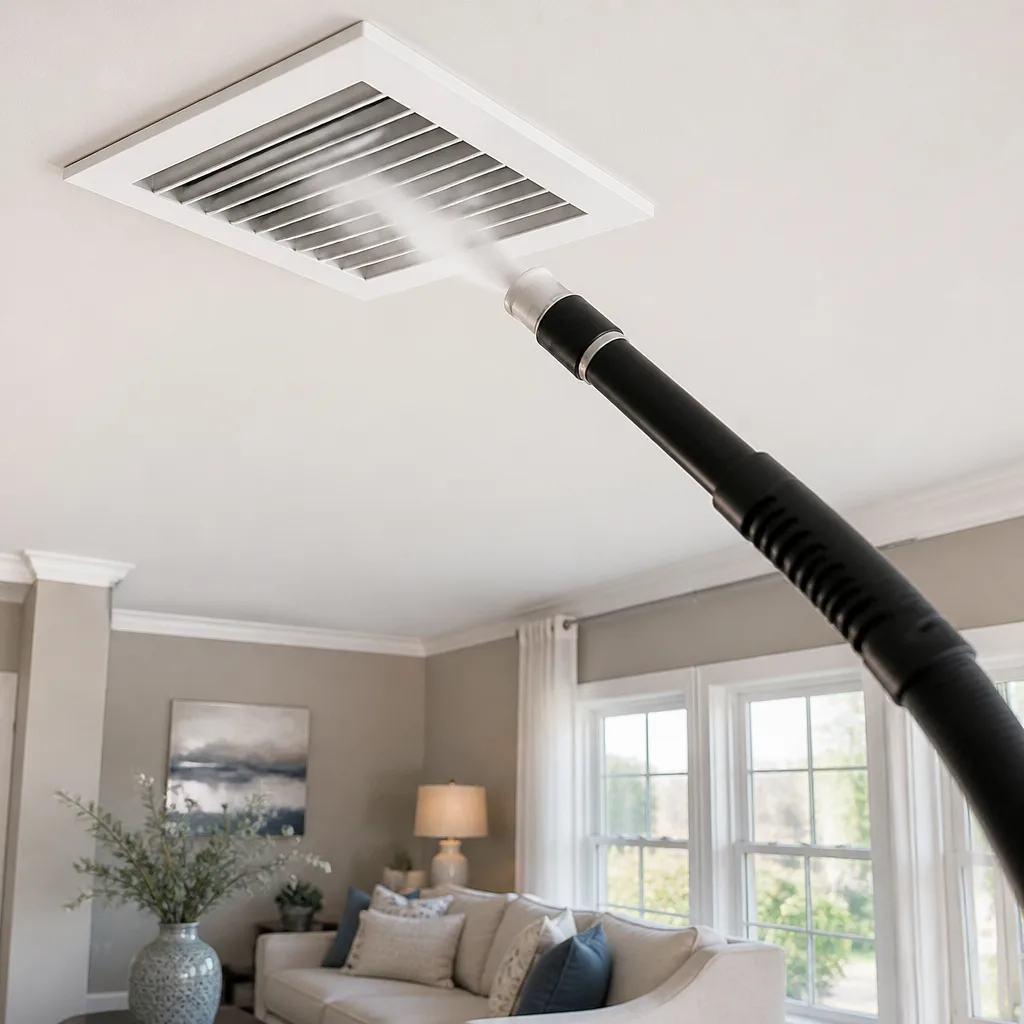 Sanitizing & deodorizing
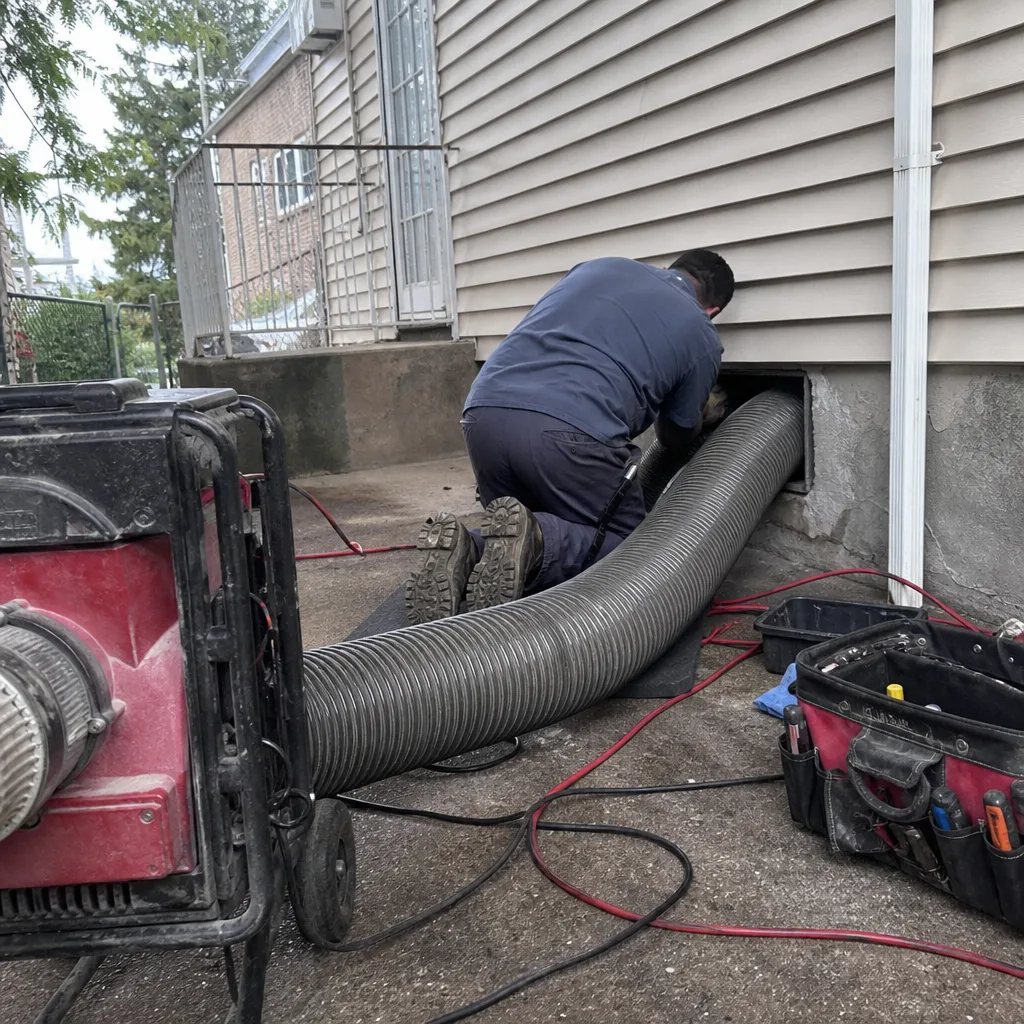
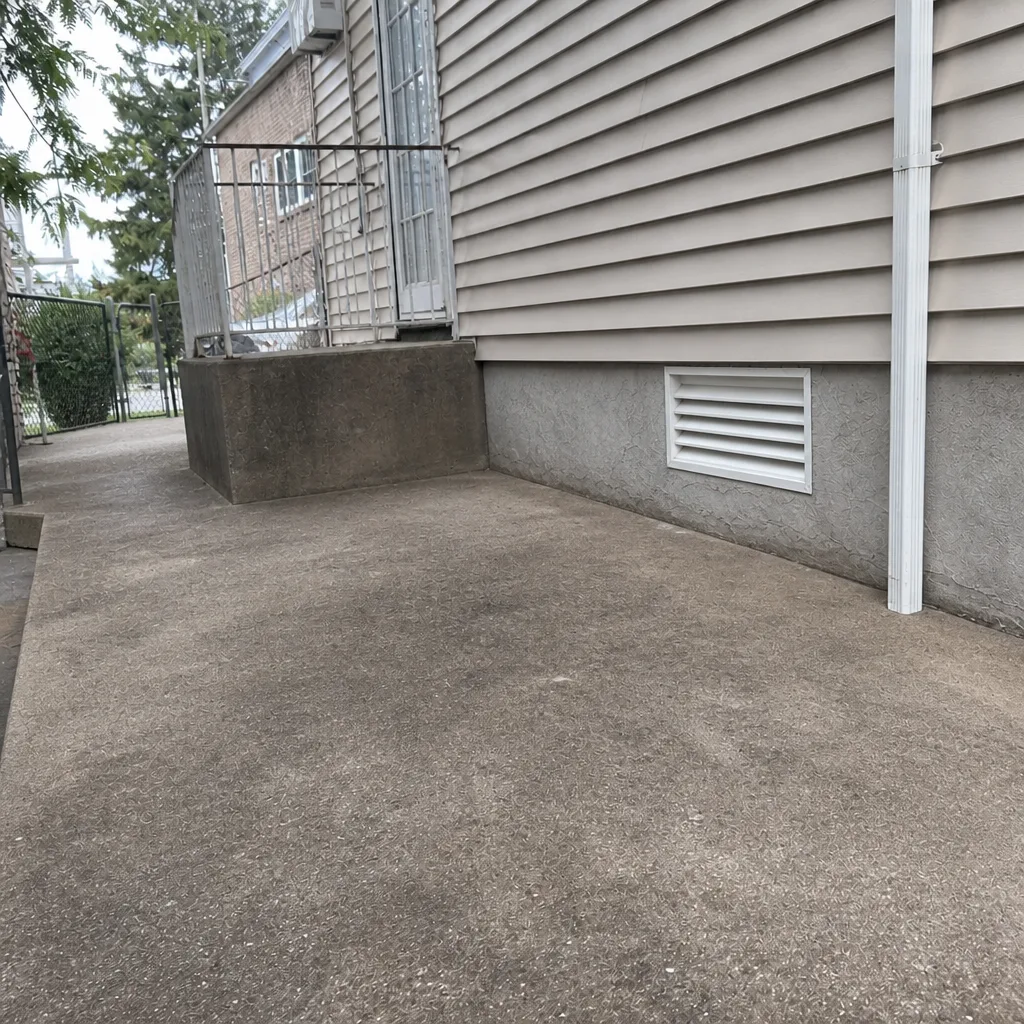
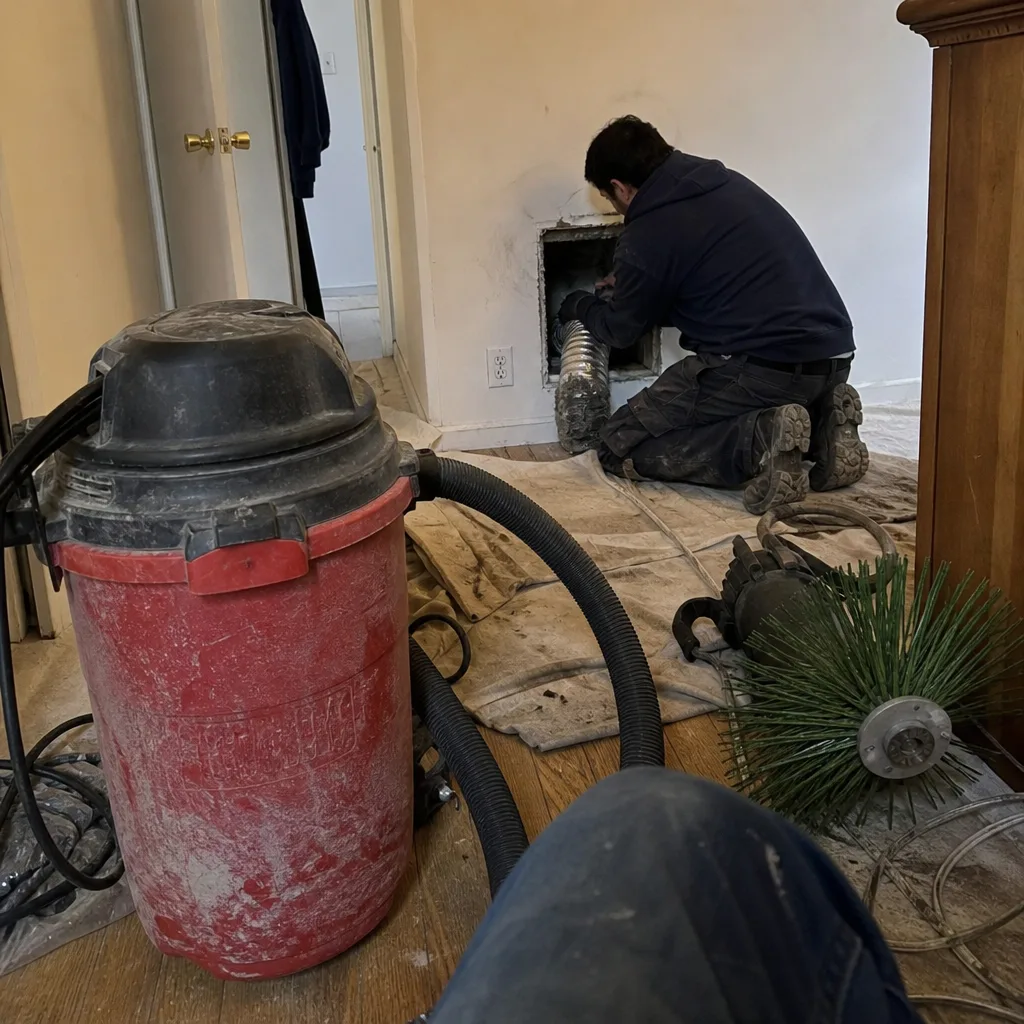
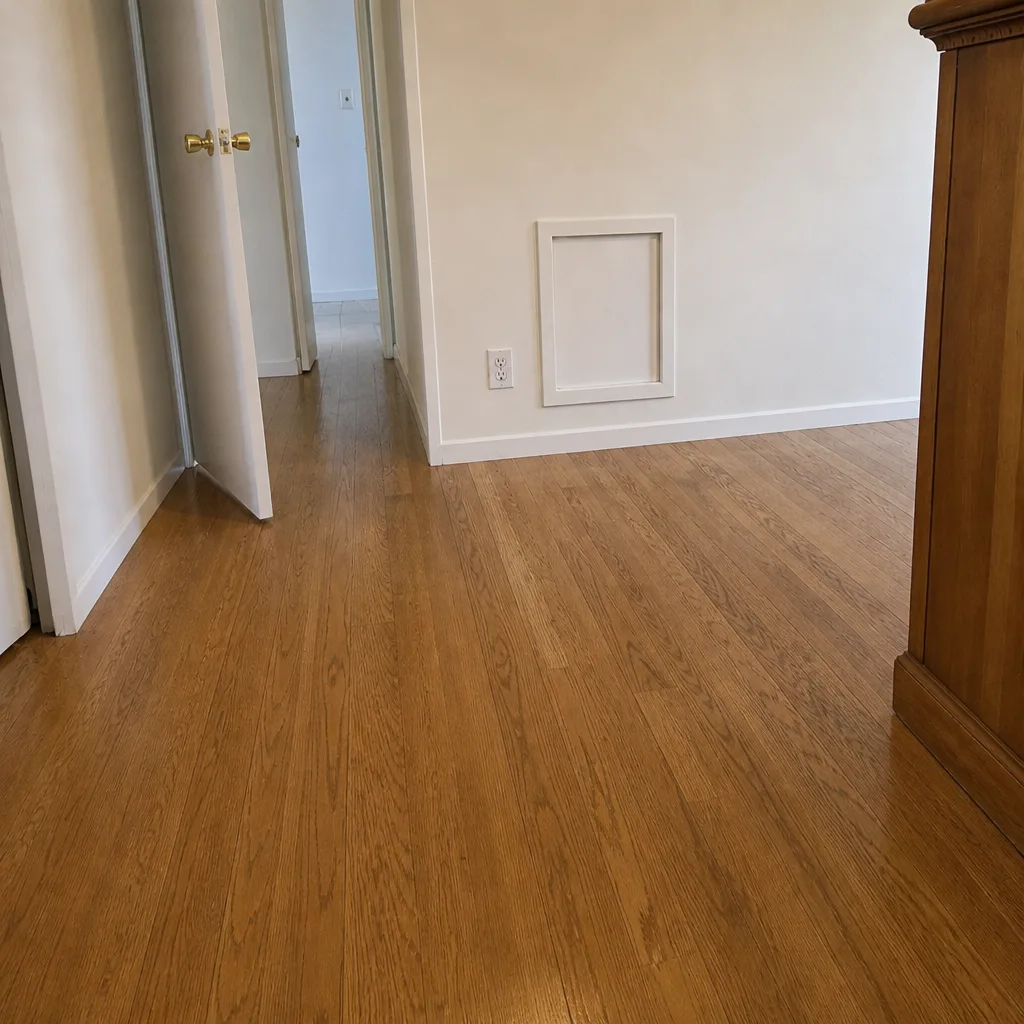
Whole-system duct and dryer vent check with before-and-after photos - you see exactly what came out of your vents
That "$99 whole-house special" is a bait ad - the real number appears once they are in your hallway, or the "clean" is a shop-vac at the register. We photograph the inside of your ducts before and after instead.
Air Duct Cleaning Maintenance Checklist for Soundview Homeowners
Changing your filter every 90 days while ignoring the dust crusting your register grilles, the film building on your blower wheel, and the static pressure starving your return air is like rotating tires on a car with a bent axle. You’re maintaining the wrong thing, on a schedule someone printed on a box. A real maintenance system isn’t a cleaning appointment you book once and forget. It’s a set of cheap, repeatable observations that tell you your ducts are trending toward trouble long before your air quality or your energy bill tells you for you. Below is the checklist we walk Soundview homeowners through: what to check with zero tools, what to leave for a professional, and how to log it all so the next technician can actually use what you found.
Quick Answer
A working duct maintenance checklist for a Soundview home has two layers. The first is a monthly zero-tool inspection you do yourself: check register grilles for dust buildup, look at the filter face for loading patterns, and note any new odors or airflow changes. The second is an annual professional benchmark: a full cleaning and inspection of the supply and return runs, the blower compartment, and the plenum. Log both, and note the filter MERV rating each time you swap it, because the pattern of what you find matters more than the date on the calendar.
Styles & brands we work with
- Whole-home duct cleaning
- Dryer vent cleaning
- Camera inspection
- Sanitizing & deodorizing
Table of Contents
- Why a Checklist Beats a Cleaning Schedule
- The Zero-Tool Monthly Checks
- How to Read a Clogged Filter Correctly
- The Blower Compartment: Normal Film vs. a Warning Sign
- Soundview Air: Street-Level Particulate and Filter Loading
- The Annual Professional Benchmark
- How to Keep a Maintenance Log a Technician Can Use
- Duct Repair and Sealing: When Cleaning Isn’t the Fix
Why a Checklist Beats a Cleaning Schedule
A cleaning schedule assumes every home behaves the same way. They don’t. Two houses on the same Soundview block can have completely different duct loading depending on how close they sit to a busy corridor, how much carpet they have, whether they run a pet, and how well their returns are sized. If you clean on a fixed calendar instead of a monitored one, you either overpay for work you didn’t need yet or you wait until a problem has already spread through the system.
A checklist flips the logic. You’re not asking “when was the last cleaning?” You’re asking “what is my system telling me right now?” That shift matters because duct problems rarely announce themselves. They build. A filter that loads a little faster each month, a register that starts collecting fuzz it never used to, a faint musty note in one room’s supply air: each of those is a data point, and together they’ll point you to the cause before it costs you comfort.
The layers of a good checklist stack in this order:
- Monthly: visual checks at the registers and filter, plus a note on airflow and odor. No tools, five minutes.
- Seasonal: a blower compartment look and a filter swap, with the MERV rating recorded.
- Annual: a professional inspection and full-system cleaning, including the plenum, blower, and return runs.
- As-needed: repair and sealing when the checklist surfaces a leak, a disconnected run, or a moisture signal.
That’s the framework. The rest of this guide fills in what to look for at each layer, with the Soundview-specific context that changes how fast these things happen. When you’re ready for the professional layer, our air duct cleaning service covers the full supply and return pathway, not just the grilles you can see.
The Zero-Tool Monthly Checks
The most useful maintenance you’ll do all month takes five minutes and no equipment. These checks are about pattern, not cleanliness. A little dust is normal. Dust that appears faster than it used to, or in a new place, is the signal.
- The register grille test. Look at the face of each supply and return grille. A light, even haze is fine. What you’re watching for is fuzz gathering at the edges of the slats, a dark ring around the frame, or grime concentrated on the return side. Compare registers room to room. One that’s noticeably dirtier than the rest usually points to a nearby leak or a short-circuited return.
- The filter face loading check. Pull the filter and hold it up to a light. Note not just how dirty it is but where it’s dirty. We cover the patterns in detail below, because the shape of the loading tells you a lot.
- The airflow note. Hold your hand at a supply register and feel the throw. You’re not measuring CFM. You’re noticing change. If a room that used to push strong air now feels soft, write it down with the date.
- The odor check. Walk the house after the system has run a while. Any musty, dusty, or faintly sweet smell at a register is worth recording. “It smells a bit off in the back bedroom” is a useful note.
- The visible-dust check. Run a finger along the top edge of a doorframe or the top of a return grille a week after you last cleaned it. The rate at which that film returns is your best free measure of how much is moving through the air.
Keep these observations short and dated. The goal isn’t a spotless house. It’s a record of what “normal” looks like in your home, so a change stands out. That record is exactly what a technician needs. If you’d rather have the whole system assessed at once, our Air Duct Cleaning Soundview overview explains what a full-service visit covers.
How to Read a Clogged Filter Correctly
Most homeowners read a dirty filter as one thing: time to change it. But the way a filter loads is diagnostic. It tells you whether your problem is straightforward filtration, an airflow restriction somewhere downstream, or duct bypass, where air is sneaking around the filter instead of through it. Changing the filter every 90 days without reading the pattern is how people end up on a maintenance treadmill that never solves anything.
Here’s how to interpret what you’re seeing:
- Even, gradual graying across the whole face. This is normal filtration loading. Air is passing through the media as designed and the filter is doing its job. Swap it and move on.
- A dark, concentrated patch or a ring. This usually means air is being pulled through one section harder than the rest, often because the filter is undersized for the airflow or the return is pulling unevenly. A patch that forms in the same spot every cycle is a sign to look at the return ducting, not just the filter.
- The edges stay clean while the center loads fast. Classic bypass. Air is leaking around the filter frame, so the media loads heavily in the middle while the perimeter never sees service. The fix is sealing the filter frame, not buying a fancier filter.
- Loading much faster than the filter’s rated interval suggests. Two filters in the time one should last means something upstream is generating more particulate than the system was designed to handle. That’s the moment to schedule a professional cleaning and inspection instead of doubling your filter spend.
- Fuzz or matted lint on the face. Pet hair, carpet fiber, and heavy occupancy show up here. This loading type often correlates with a need for more frequent register cleaning, not just filter swaps.
Record the MERV rating you use, every time. If you bump to a higher MERV and notice the loading pattern changes or airflow at the registers drops, that’s useful information for whoever assesses your system next. Higher filtration is not automatically better if it starves your blower.
The Blower Compartment: Normal Film vs. a Warning Sign
The blower compartment is the one place on this checklist where we ask you to look but not to reach. You don’t need to open the air handler if your unit’s design makes that difficult or unsafe. But if the panel is accessible and you’re comfortable removing it to look (with the system powered off at the breaker), a visual inspection of the blower wheel is one of the most informative checks a homeowner can do once a year.
Here’s what normal looks like: a thin, even coat of fine gray dust across the blower wheel blades and the compartment walls. That’s ambient dust doing what ambient dust does. It doesn’t need action every season.
Here’s what should get your attention:
- Thick, caked-on deposits that have started to build unevenly. A coating that changes the shape of the blower blades is a real efficiency problem and reduces airflow across the whole house.
- Any moisture signal. Damp dust, dark staining, or a musty smell at the compartment is the strongest red flag on this list. Moisture in the airstream is what turns ordinary dust into a growth problem, and it means the source of that moisture needs to be found.
- Sticky or greasy film. This is different from dry dust and can point to an environment the system wasn’t expecting.
If you see moisture or dark staining in the blower compartment, don’t scrub it yourself. Call a professional. That’s a humidity or airflow issue that cleaning alone won’t fix, and it’s worth a proper assessment. A system that’s dry and evenly dusty is a system doing its job; a system that’s damp is telling you something.
Soundview Air: Street-Level Particulate and Filter Loading
Where your home sits inside Soundview changes how fast your filters load. The Bruckner Expressway corridor runs along the neighborhood’s southern edge, and the surrounding blocks carry the kind of street-level particulate you’d expect near a major highway: fine airborne grit that gets drawn into a home’s return air, especially on lower floors and on facades facing the elevated roadway. Homes deeper inside the neighborhood, further from the corridor, typically see slower filter loading and slower register dust buildup.
That difference matters for your checklist. A Soundview home close to the Bruckner corridor may need filter changes on a tighter cycle and more frequent register cleaning than a home on a quiet interior block. It’s not a failure of your system. It’s just more material entering the air it pulls. We’ve seen this play out across the neighborhood, and it’s why we don’t hand every home the same schedule.
A few practical notes for Soundview homeowners:
- Corridor-facing returns load heftier. If your main return faces the expressway side, watch that filter pattern closely and expect faster loading.
- Lower floors draw more street particulate than upper floors in a multi-level home, because fine grit settles and gets picked up closer to ground level.
- Open windows work against you. Homes that rely on open windows for ventilation pull in more street-borne particulate than homes running sealed with mechanical air.
- Neighborhood humidity is steady. Soundview’s summers are humid enough that moisture control in the airstream matters. Dry, even dust is fine; damp dust is a signal to investigate.
If you want a straight assessment of what your home’s loading looks like and what it needs, our HVAC cleaning service covers the air handler and coil along with the duct runs, so the whole airflow pathway gets addressed together.
The Annual Professional Benchmark
Once a year, have the full system professionally inspected and cleaned. This is the layer your monthly checks can’t reach. Registers and filters only show you the surface. The real condition of your ducts lives in the plenum, the return runs, the supply branches, and the blower compartment, and that’s where a professional cleaning earns its place on the checklist.
A proper annual benchmark isn’t just a vacuum job. It’s a diagnosis and a cleaning together.
- Inspection first. A technician assesses the full duct pathway, checking for disconnected runs, crushed flex, gaps at the joints, and any signs of moisture or contamination that a plain cleaning would miss.
- Cleaning second. The supply and return runs, the plenum, and the blower get cleaned using professional-grade equipment. We use Rotobrush and Nikro systems, the same class of equipment relied on in commercial buildings, because consumer-grade vacuums can’t generate the airflow to pull debris out of a residential network.
- Sealing if needed. Any leaks or gaps found during inspection get sealed so the cleaned system stays sealed. Cleaning a leaky duct and then leaving it leaking is half a job.
- Documentation. Before-and-after photos of the actual ductwork, a written note of what was found, and a record of the work done. That documentation becomes part of your maintenance log.
One flat price per system, agreed before work starts, with the scope spelled out: that’s how the annual visit should be handled. If a quote is built on a low teaser price that grows once a technician is on site, it’s not a benchmark, it’s a sales pitch.
How to Keep a Maintenance Log a Technician Can Use
Most homeowners who keep any record at all keep a list of dates. That’s a start, but it’s nearly useless to the person who shows up to inspect your system. A date tells them nothing about what was happening. A properly kept log tells them what filter you’re running, how fast it loads, what you’ve smelled, and how airflow has changed, which lets them skip straight to likely causes.
Keep it simple. A notebook or a note on your phone works fine. Track these fields:
- Date of each check or change.
- Filter MERV rating used, and the size, so it’s easy to reorder.
- Loading pattern in a few words: even, patchy, edge-bypass, fast-loading, fuzzy.
- Airflow note per room if something changed:
- Pick one register as your reference point and check its throw the same way each time.
- Write “soft,” “normal,” or “strong” next to the date.
- Jot the room and any change in the last week.
- Odor note with location: “musty in back bedroom,” “nothing unusual,” and so on.
- Visible dust return rate after cleaning a surface.
When a technician opens that log, they can read a trend line instead of guessing. If you’ve logged two filters in three months with a fast-loading pattern, they’ll know to check the return sizing and the plenum before they even start. That’s the value of a log done right. And if any of those notes point to a problem you’d rather stop guessing about, our phone line is always answered at (844) 630-1582, with fast dispatch from 7am to 7pm, Sunday through Friday.
Duct Repair and Sealing: When Cleaning Isn’t the Fix
Cleaning restores a system that’s dirty. It doesn’t fix a system that’s broken. A checklist will eventually surface the signs that cleaning alone won’t solve the problem: grit entering through a gap, a run that’s come loose at a joint, or a branch that’s lost its airflow because flex duct got crushed during a renovation. Those are repair and sealing jobs, and they’re the point where you want the full system looked at rather than a quick vacuum.
Here’s when to suspect your ducts need repair rather than cleaning:
- Dust comes back fast in one particular room. A single register that re-dirties quickly often points to a nearby leak that’s pulling dirty air from outside the trunk.
- You’ve noticed a gap, tear, or disconnect in accessible ductwork in the attic, crawlspace, or basement.
- One room gets weak airflow while the rest of the house is fine. That’s usually a run that’s restricted or disconnected, not a whole-system dirt problem.
- You’ve had recent renovation or remodeling. Construction disturbs ductwork, and ceilings, walls, and attic routes often shift runs or crush flex. Post-renovation is a good time for a repair and sealing inspection.
Sealing is where a full-system approach pays off. Clean but leaky ducts lose you efficiency and pull unfiltered air into the airstream. We include Duct Repair & Sealing as a named service so that when the checklist points to compromised ductwork, the fix can happen in the same visit rather than another contractor, another week, another invoice. Better air and better efficiency both start with a sealed system.
Common Mistakes to Avoid
- Changing the filter on a calendar instead of on evidence. A fixed 90-day cycle ignores whether your Soundview home loads at half that rate or twice it. Read the pattern, not just the date.
- Reaching for the highest-MERV filter you can find. A filter that’s too dense for your system’s airflow starves the blower and hurts efficiency more than it helps air quality. Match the rating to the system.
- Ignoring moisture signals. A little damp dust in the blower compartment or a musty register is the one thing on this list you shouldn’t defer. Moisture turns a dust problem into a growth problem, and a cleaning won’t fix that on its own.
- Cleaning registers and calling it done. Wiping grilles is cosmetic. It doesn’t touch the plenum, the blower, or the runs where the real loading sits.
- Skipping the log. Without a written record of MERV ratings and airflow changes, every technician starts from zero and repeats checks you’ve already done.
- Treating a leaky duct like a dirty duct. If dust returns fast in one room, the problem may be a gap or a disconnected run, and cleaning alone won’t close it.
- Forgetting the dryer vent. Dryer vents are part of a home’s airflow maintenance and a common source of fire risk. They get overlooked because they don’t feed your registers, and they need their own yearly attention through dryer vent cleaning.
See the difference
 Before
 After
 Before
 After
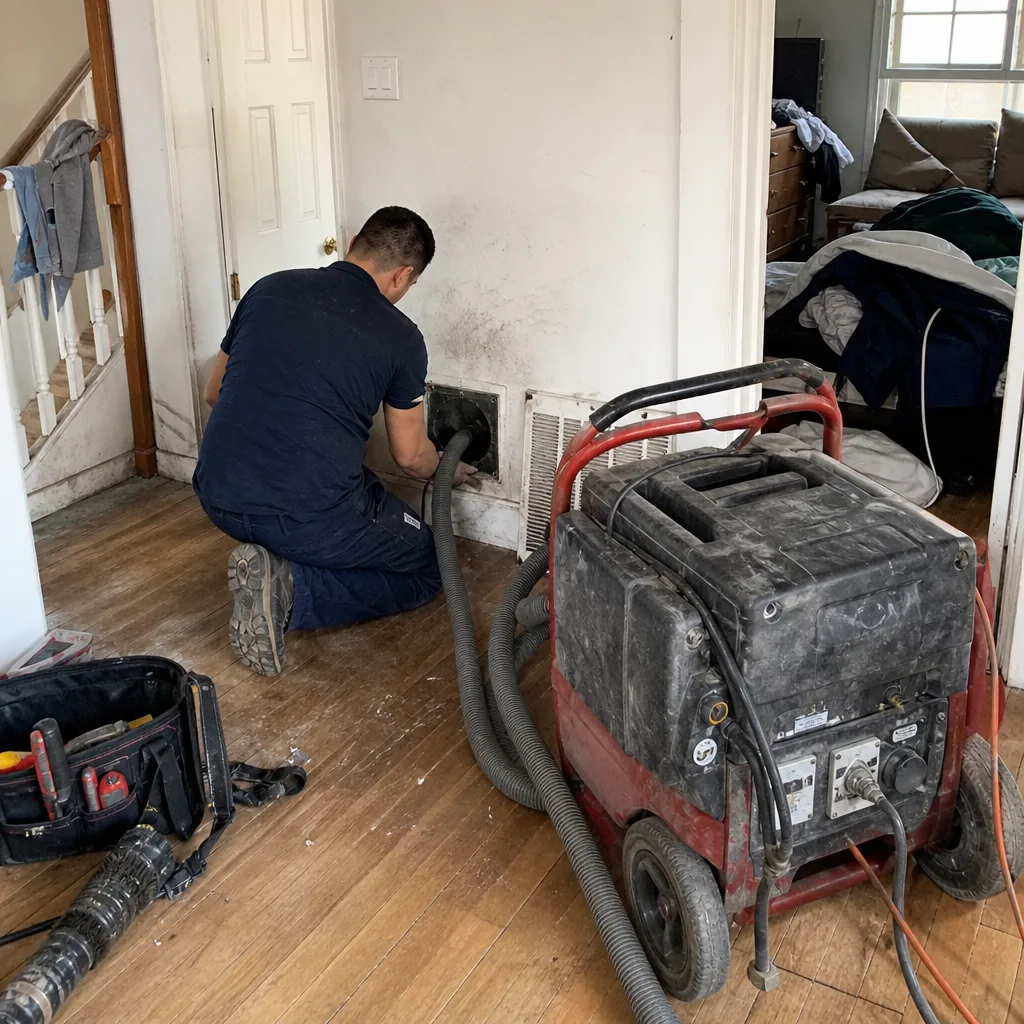 Before
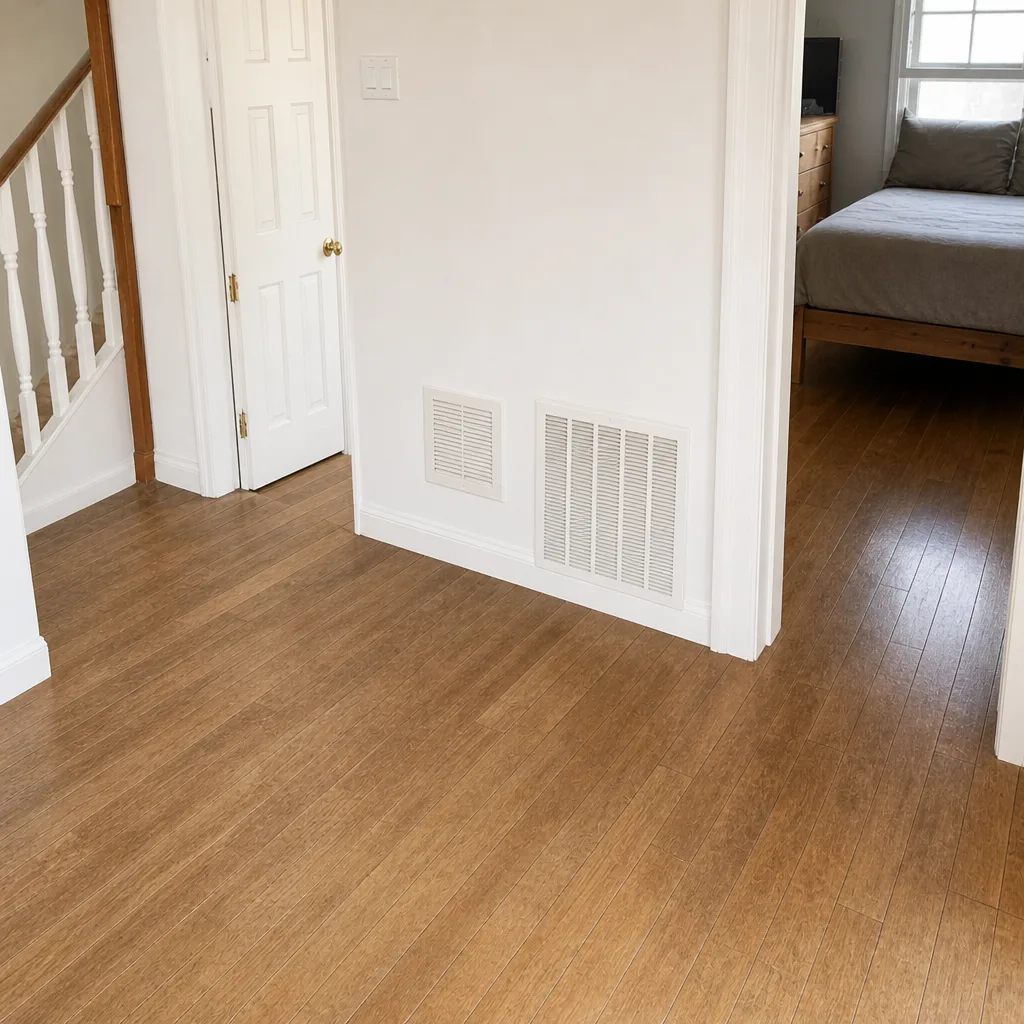 After
When to Call a Professional
Call a professional when your monthly checks surface a pattern you can’t explain: filters loading much faster than their rated interval, dust returning to one room within days of cleaning, a musty odor at a register, or a visible moisture signal in the blower compartment. Call when you’ve noticed weak airflow in a single room while the rest of the house is fine, which usually means a restricted or disconnected run rather than dirt. And call if the annual benchmark has been skipped for more than a year, or if renovation, a new HVAC install, or a recent move means you don’t know what the system’s history is. A professional assessment is the fastest way to turn a list of symptoms into a diagnosis, and the estimate is free.
Air Duct Cleaning Soundview offers free estimates in Soundview. Call (844) 630-1582. We answer 24/7. Fast dispatch from 7am to 7pm, Sunday through Friday.
Frequently Asked Questions
Most Soundview homes do well with a full professional cleaning once a year, plus monthly checks you do yourself. Homes close to the Bruckner Expressway corridor or with heavy occupancy, pets, or recent renovation may benefit from a professional assessment sooner, since their filters and registers load faster. The right interval is set by what your checklist shows, not by a fixed number. Call (844) 630-1582 for an exact quote tailored to your home.
Air duct cleaning in Soundview is priced per system, not per vent, and the final price is set by a written estimate after a technician assesses your system’s size, layout, and condition. Because we price the whole system, a written estimate is the only honest way to quote the work, and there’s no per-vent charging. Call (844) 630-1582 for an exact quote based on your system, and estimates are free.
Ask for before-and-after photos of your own ductwork. A reputable provider documents the actual duct runs and plenum, not just the grilles that were wiped. We provide those photos as part of every full-system cleaning so you can see the difference with your own eyes. Call (844) 630-1582 to set up an assessment.
Cheap quotes are often a teaser price that grows once a technician is on site, usually because the quote covers a single surface pass rather than the full system. A real full-system cleaning includes the supply and return runs, the plenum, and the blower, which costs more because it takes more equipment and more time. One flat price per system, agreed before work starts, is the practice worth trusting. Call (844) 630-1582 for a straight quote.
Sometimes yes. Registers show only the surface, and heavier loading can sit in the plenum, the blower, and the return runs where you can’t see it. That’s exactly why the annual professional benchmark exists, and why keeping a maintenance log matters. If your monthly checks come back clean but you’ve noticed odor or an airflow change, an inspection is still worth it. Call (844) 630-1582 for a free estimate.
If dust returns to one room within days of cleaning, or you know there’s a gap, tear, or crushed run in accessible ductwork, you likely need repair and sealing, not just cleaning. Cleaning removes dirt; sealing closes the gaps that let new dirt in. The assessment tells you which job you actually need. Call (844) 630-1582 to book it.
The Bottom Line
A duct maintenance checklist is a monitoring system, not a cleaning schedule. The monthly zero-tool checks (registers, filters, airflow, odor) cost you five minutes and tell you which direction the system is drifting. Reading your filter loading pattern correctly tells you whether the problem is filtration, airflow restriction, or bypass. The annual professional benchmark, running the full pathway with real equipment and documentation, closes the loop. Log it all, keep it in a form a technician can use, and let the evidence set your schedule rather than the calendar. That’s how Soundview homes stay ahead of duct problems instead of chasing them.
If you’d like a professional set of eyes on your system, our team works with the full duct ecosystem: air ducts, dryer vents, HVAC, repair and sealing, and air quality and sanitizing. We use Rotobrush, Nikro, and Abatement Technologies equipment, and we handle Honeywell and Aprilaire upgrades when your checklist points toward a longer-term air quality improvement. It’s one connected system, and it deserves one connected plan.
Call (844) 630-1582 for a free estimate. We answer 24/7. Fast dispatch from 7am to 7pm, Sunday through Friday.
Written by the team at Air Duct Cleaning Soundview.