
Last updated November 22, 2026
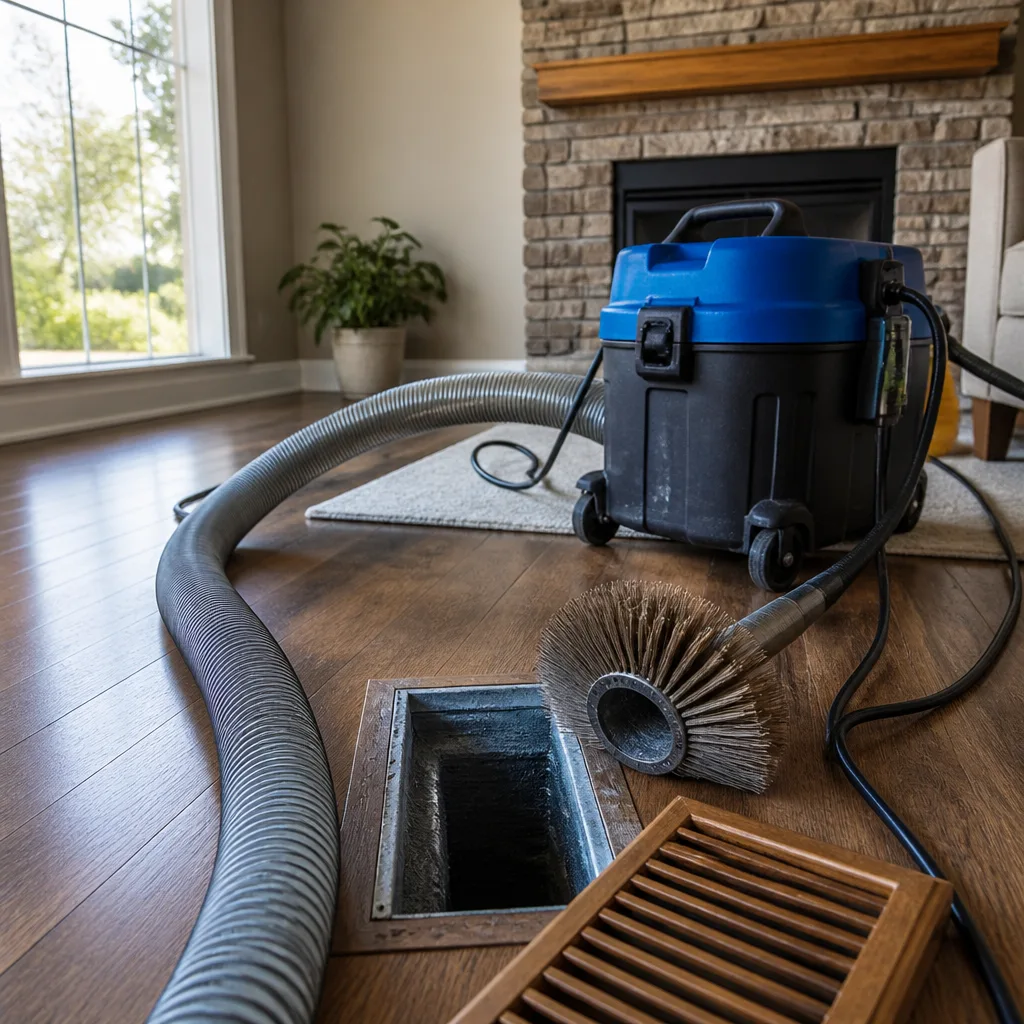 Whole-home duct cleaning
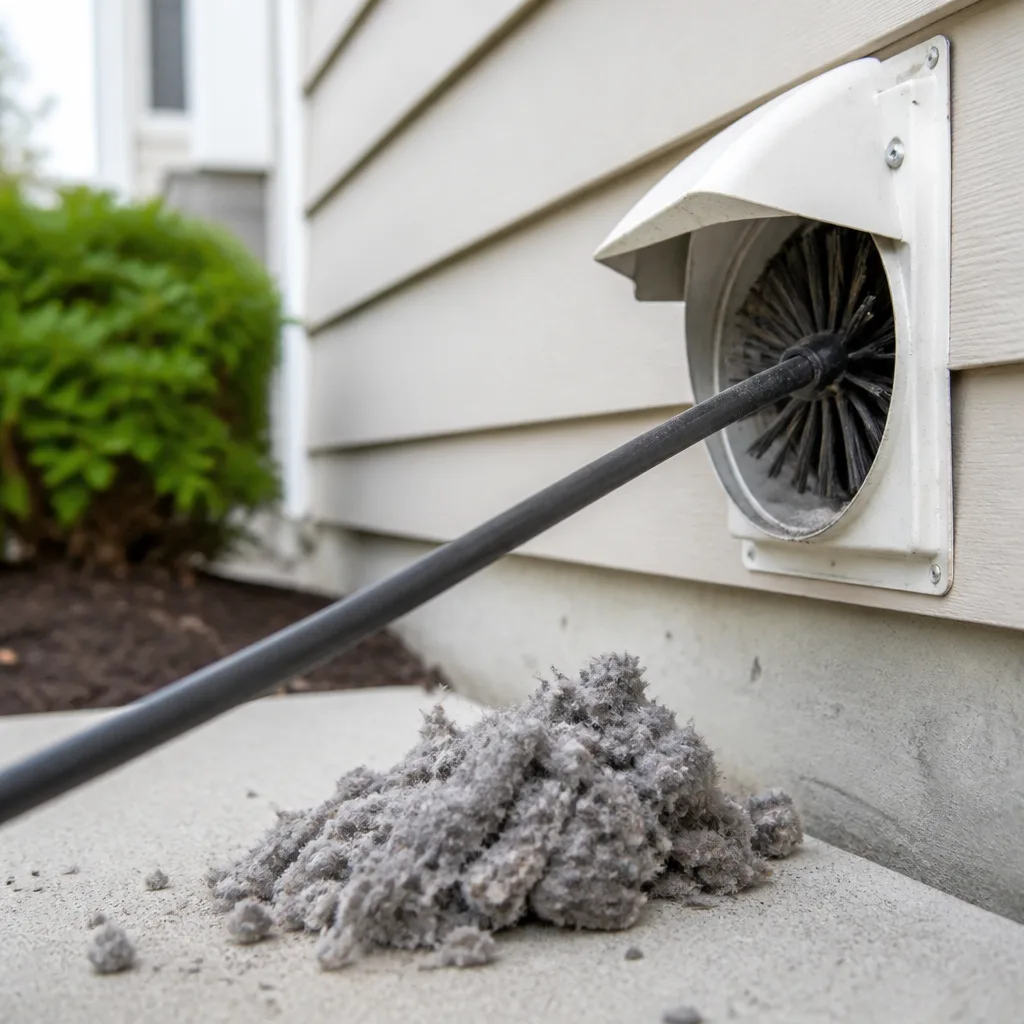 Dryer vent cleaning
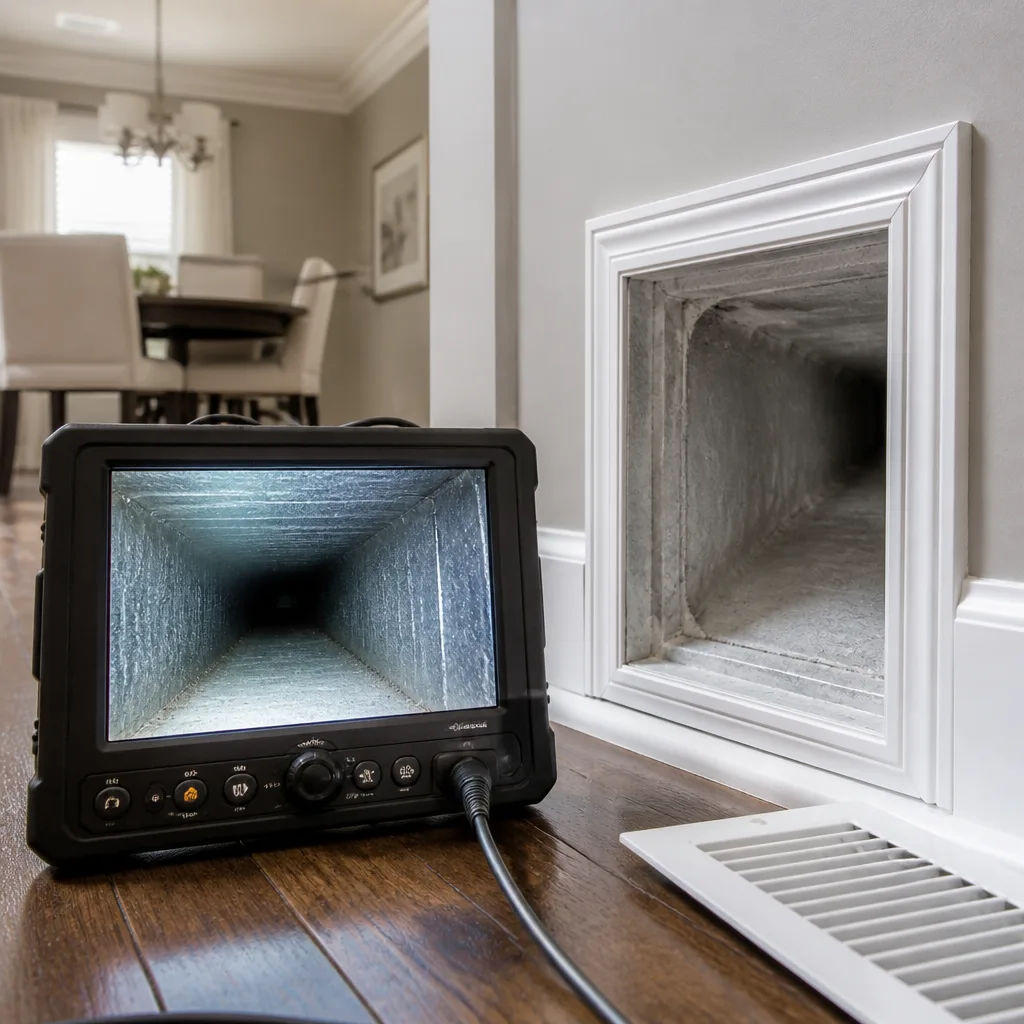 Camera inspection
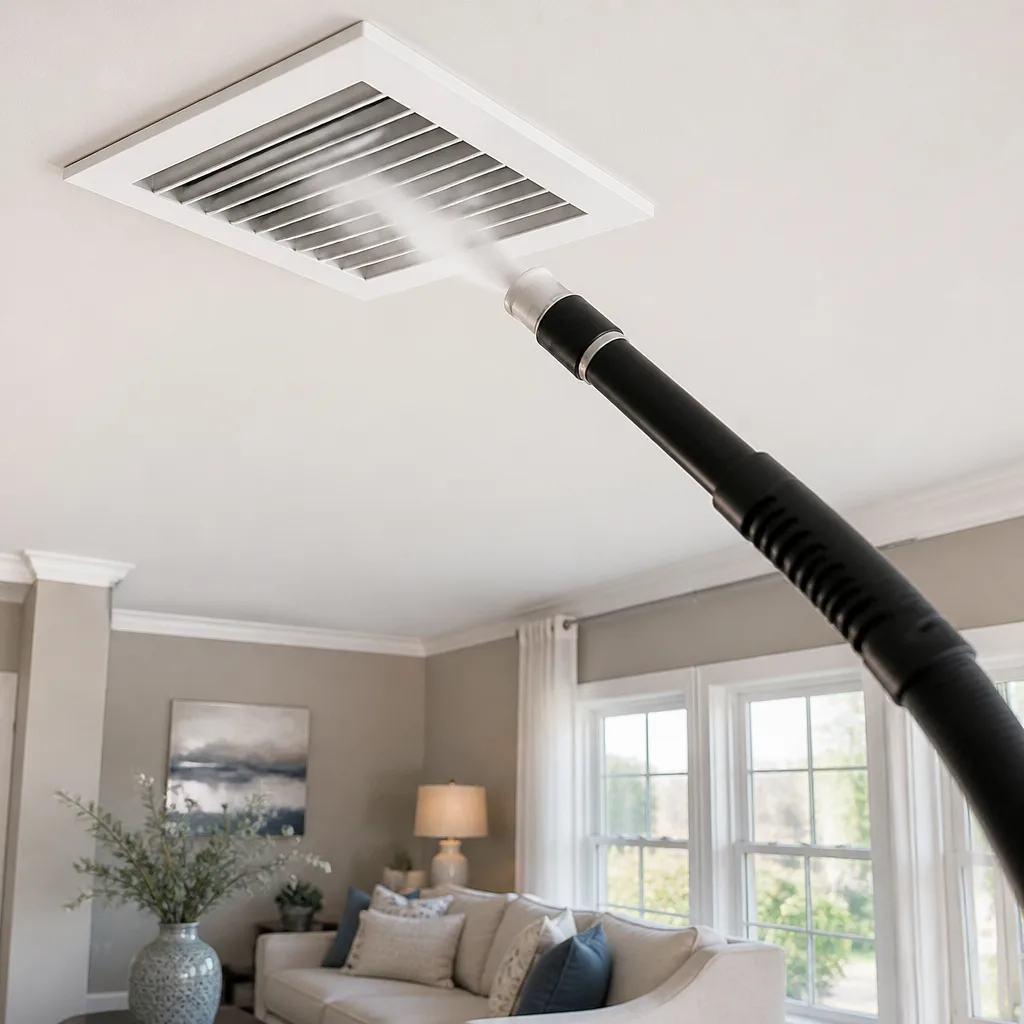 Sanitizing & deodorizing
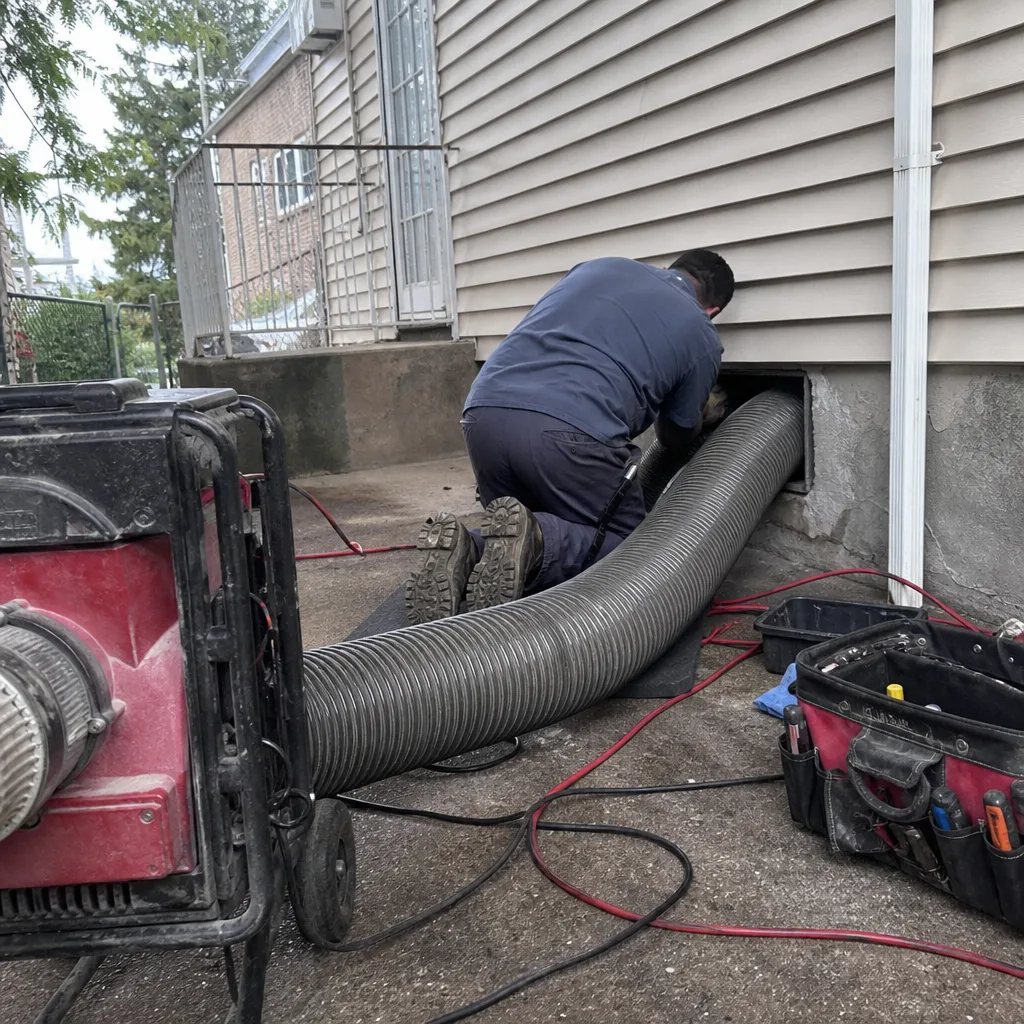
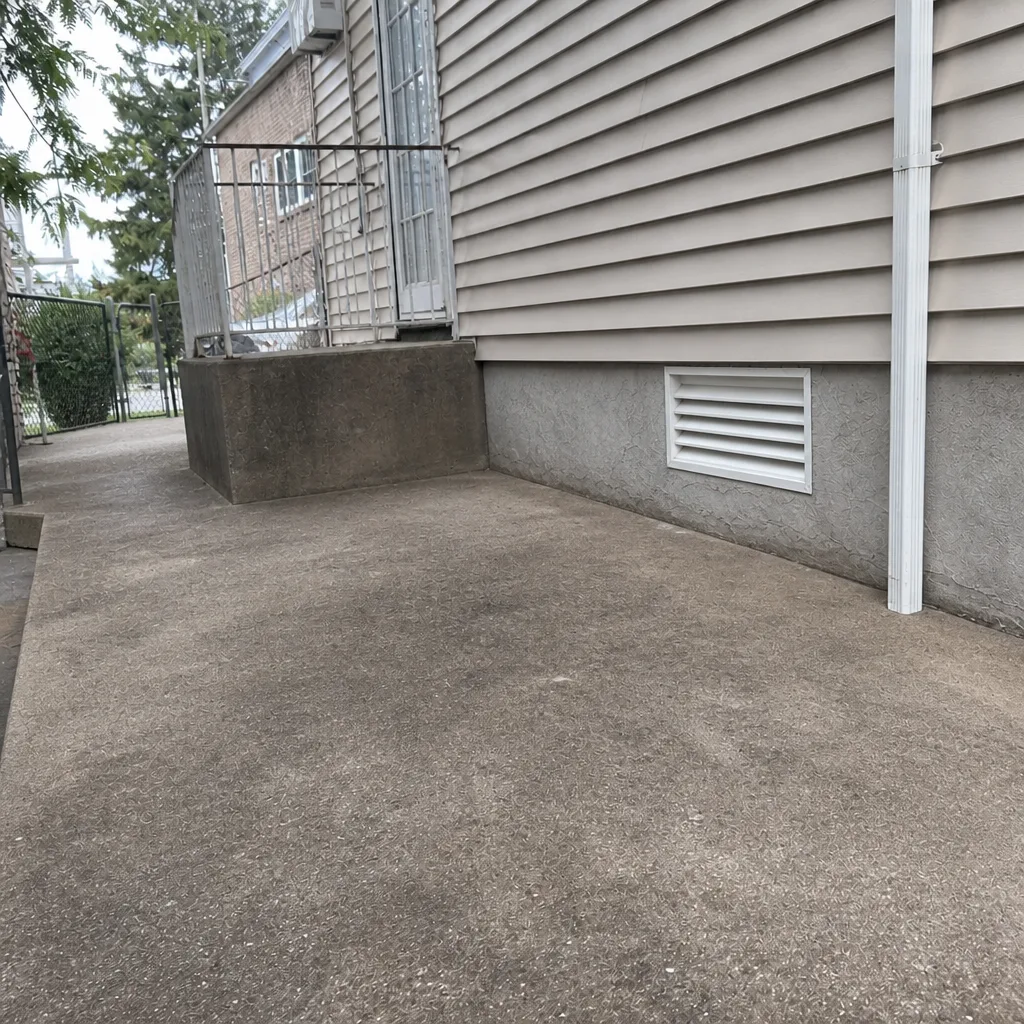
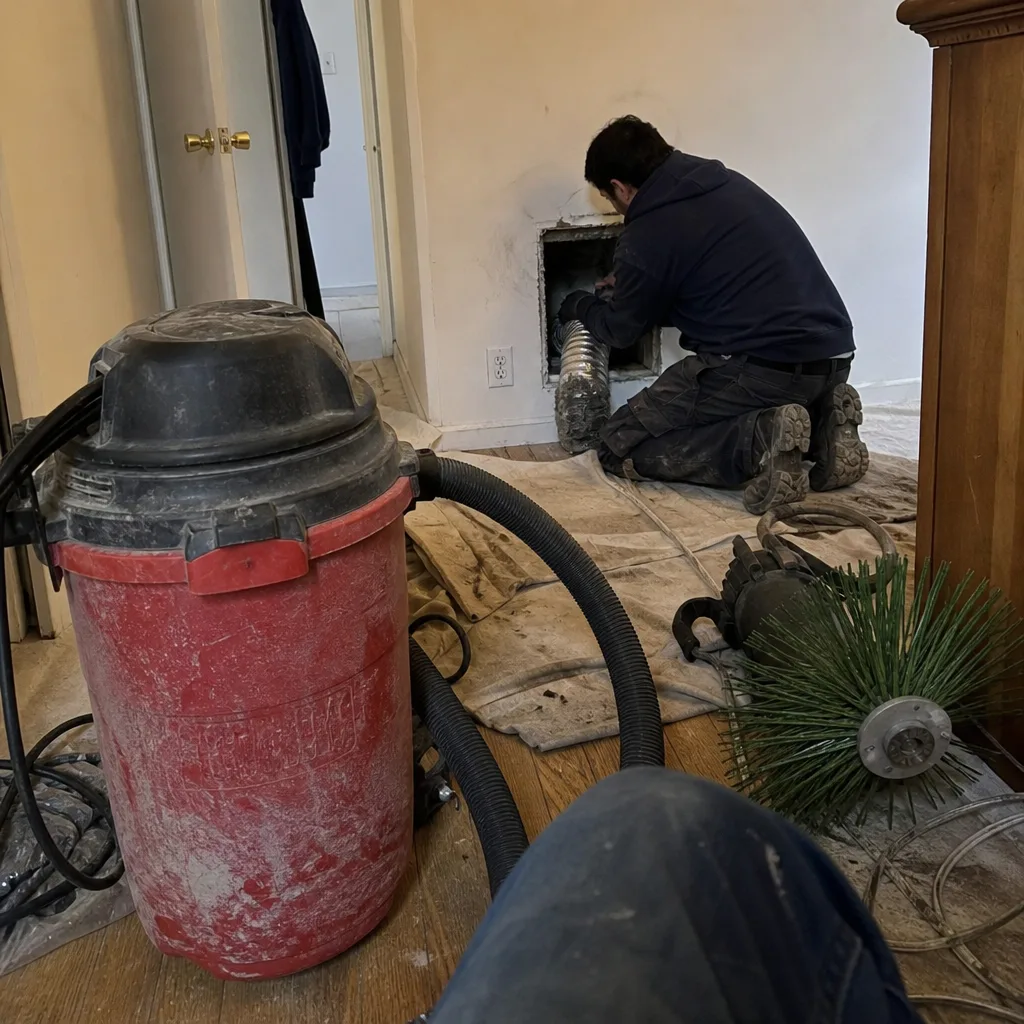
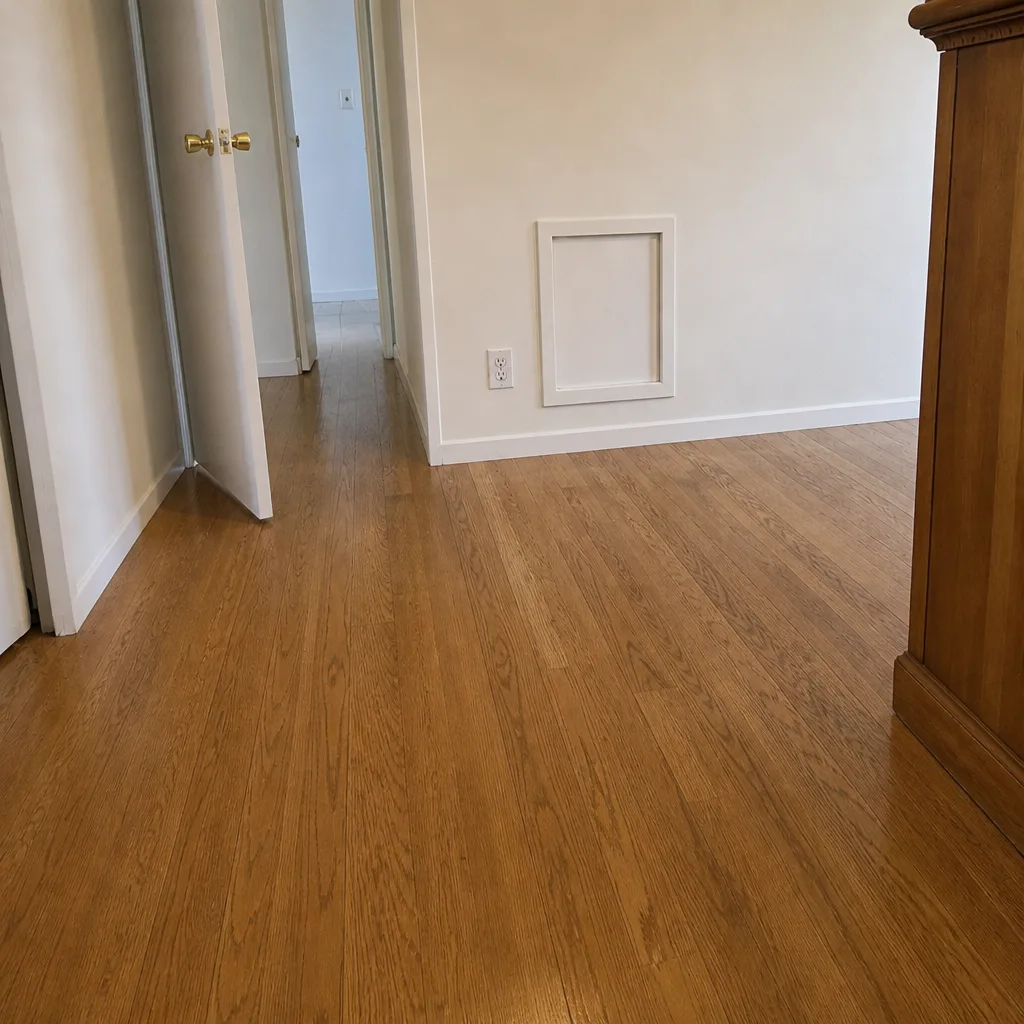
Whole-system duct and dryer vent check with before-and-after photos - you see exactly what came out of your vents
That "$99 whole-house special" is a bait ad - the real number appears once they are in your hallway, or the "clean" is a shop-vac at the register. We photograph the inside of your ducts before and after instead.
Air Duct Cleaning Maintenance Schedule: What to Do and When
The most common piece of duct-cleaning advice you’ll find anywhere comes from a federal guideline that was never meant to be applied to every household the same way. That 3-to-5-year figure gets repeated as if a single-occupant condo with a MERV-13 filter and a house with two shedding dogs and a recently finished basement sit in the same category. They don’t. What actually drives contamination is a short list of variables you can measure in your own home: how many pets live there, whether you’ve had work done, what filter grade your blower is pulling through, and how much particulate load sits in the local air. This guide replaces the marketing calendar with a real one, built for Soundview homes. You’ll learn what to check monthly, how to set your own interval, and when to bring in a professional.
Quick Answer
Clean your air ducts every 3 to 5 years if you have no pets, no kids with allergies, and a MERV-11 or better filter kept fresh. Plan on every 2 to 3 years if you have pets, recent renovation dust, a lower-grade filter, or a household member with respiratory sensitivity. In between professional cleanings, change your filter every 60 to 90 days and inspect your return grills monthly. Dryer vents should be cleaned on their own schedule, synchronized with your duct appointment so both contamination pathways get addressed at once.
Styles & brands we work with
- Whole-home duct cleaning
- Dryer vent cleaning
- Camera inspection
- Sanitizing & deodorizing
Table of Contents
- The Tiered Maintenance Matrix: Baseline vs. Accelerated
- HVAC Filter Change Intervals That Protect Your Ducts
- What to Inspect at the Return Air Grill Each Month
- Syncing Dryer Vent Cleaning With Your Duct Visits
- Sanitizing Reapplication Intervals for Soundview Homes
- A Season-by-Season Soundview Schedule
- Signs Your Ducts Need Cleaning Sooner Than Planned
- Common Mistakes to Avoid
The Tiered Maintenance Matrix: Baseline vs. Accelerated
A single interval is a guess. A tiered schedule is a decision. The matrix below is how we think about it: two profiles, one baseline and one accelerated, with the household traits that put you in each column. Most Soundview homes land somewhere in the middle, and the honest answer for a lot of families is to start with a diagnostic visit, look at what the return grills are holding, and pick an interval from there.
| Household Profile | Traits | Suggested Cleaning Interval |
|---|---|---|
| Baseline | No pets, no young children, no recent renovations, MERV-11 or better filter changed on time, no allergy symptoms reported | Every 4 to 5 years |
| Baseline-plus | No pets, but aging system, one recent renovation, or a filter grade below MERV-11 | Every 3 to 4 years |
| Accelerated | One or more dogs or cats, children in the home, older HVAC equipment, filter changes slipping | Every 2 to 3 years |
| Accelerated-plus | Multiple pets, active renovation dust, or a household member with asthma or documented allergies | Every 18 to 24 months |
Why the wide spread? Duct interiors load with three kinds of material: settled dust pulled in through the return, hair and dander that clings to the duct walls, and construction particulate that finds its way in during renovation. Each load at a different rate. A home that opened up a kitchen wall last spring is effectively running a construction site through its HVAC for a few weeks no matter how carefully the plastic went up. A household with two retrievers sheds enough coat to double the fiber load in a duct system inside a year. A family whose filter changes have slipped to twice a year is running on borrowed time.
Our technicians have up to 8 years of experience, and a technician on their eighth system of the day can usually tell which column a home belongs in before the vacuum is even unloaded. The return grill, the plenum above the air handler, and the shoe of the first supply run tell most of the story. If you’re unsure which profile fits your Soundview home, we can look at the evidence with you.
HVAC Filter Change Intervals That Protect Your Ducts
Your filter is the only barrier between the dust in your house and the inside of your ducts. Change it on the right cadence and you push a professional cleaning out by a year or more. Neglect it and you accelerate duct contamination no matter what interval you picked in the matrix above. The number that matters depends on what you have and how you live.
Standard filter cadence by household
- No pets, no allergy sufferers, standard 1-inch filter: change every 90 days.
- One pet or a light-shedding household, standard 1-inch filter: change every 60 days.
- Two or more pets, allergy sufferers, or any household during a renovation: change every 30 to 45 days.
- Whole-home media filter (4-inch or 5-inch): follow the manufacturer’s replacement interval, typically 6 to 12 months, and check monthly for loading.
- Any filter during active construction: check weekly. Replace when the face is visibly coated.
Filter grade matters too, and here’s the balance most people miss. A MERV-13 filter catches finer particulate than a MERV-8, which protects your ducts better, but the tighter media also drops static pressure across the blower. If your system wasn’t designed for a thick filter, forcing one in can starve airflow to the coils and cause a different problem entirely. A MERV-11 or MERV-13 in the 4-inch or 5-inch media format is the sweet spot for most Soundview systems, because the added surface area makes up for the lower airflow per square inch.
What “changing on time” actually buys you
A filter changed on schedule keeps the return trunk and the blower compartment clean, which is where the majority of the load collects. That’s a specific, measurable difference. Pull a filter that ran 90 days past due and you can see fibers breaking down and bypassing into the blower wheel housing. Keep it changed and the wheel runs cleaner, the static pressure stays where the manufacturer rated it, and the ducts stay cleaner between visits. This is the cheapest duct maintenance you’ll ever do. It costs about the price of the filter itself.
If your system has never had a proper filter housing – just a slot in the return duct – a sealed housing upgrade is worth a conversation. A loose-fitting filter is a bypass filter, and bypass filters are doing comparatively little.
What to Inspect at the Return Air Grill Each Month
Walk to your largest return grill once a month and look at the fins with a flashlight. That’s the check. It takes 60 seconds and it’s the single most reliable early warning your system will give you about duct contamination, filter bypass, and airflow problems before they turn into a service call.
How to read what you see
- Thin, even gray dust: normal. Brush it off and keep monitoring.
- Dark dust concentrated at the edges and corners of the grill: strong sign of filter bypass. Air is going around the filter rather than through it, which means unfiltered air is loading the return trunk and the ducts behind it.
- Fur, hair, and long fibers tangled in the fins: pet load accumulating faster than your filter can catch it. Time to check the filter cadence and consider a tighter media grade.
- White or chalky buildup on the grill or on nearby trim: could indicate moisture or an efflorescence pattern. Worth flagging to a professional to rule out humidity issues in the return.
- Grit, drywall dust, or construction debris at the grill face: renovation dust has entered the return side. The cleaning interval needs to accelerate, sometimes permanently.
- Visible mold or a musty smell at the grill: stop and call for a professional inspection. This is a health and moisture concern that goes beyond routine maintenance.
How filter bypass actually works
Filters don’t seal themselves. When the filter slot is loose, when the filter has bent and doesn’t sit flat, or when the frame has warped, the blower pulls air from wherever it can find it – and the path of least resistance is around the filter, not through it. That’s why the grill corners load first and darkest. The bypassing air carries whatever it’s carrying straight into the return trunk, the blower wheel, and every branch duct downstream. Sealing the filter slot with foam gasket tape, upgrading to a proper filter housing, or switching to a media cabinet that captures at the edges solves this permanently. Once the filter actually does its job, the ducts stay cleaner between cleanings.
Do this inspection monthly, note the pattern, and compare month over month. A pattern that gets worse every month is telling you something a filter change alone won’t fix. We look at the grill, the plenum, and the trunk with the system running to see where the real bypass is happening.
Syncing Dryer Vent Cleaning With Your Duct Visits
Your dryer vent and your HVAC ducts share a wall, a building envelope, and – more importantly – a contamination logic. Lint accumulation in a dryer vent is a leading cause of residential fires, and it goes overlooked because most people don’t think to check. We treat dryer vent cleaning as its own service on its own schedule, but we recommend timing the two visits within a few months of each other so both contamination pathways get checked at once.
Why the two belong on the same calendar
- Shared source of fibers: pet hair, lint from clothing, and general household dust enter both systems. If you have pets, both accumulate faster.
- Hidden vent runs: an extended or partially crushed dryer vent run behind a wall is invisible without a camera. So is a sagging flex duct that’s collecting lint at its low point.
- Overlooked safety: lint is flammable. A dryer vent that’s been left to build for a couple of years is a genuine fire hazard, and it’s one most HVAC-only companies don’t offer to address.
- One visit, both answers: a technician already equipped and on site for ducts won’t have to come back separately, and you’ll get a documented look at both systems in the same appointment.
How often to have the dryer vent cleaned
- Standard household, no pets: once a year.
- Household with pets: every 6 to 12 months, closer to 6 with heavy shedders.
- High-use household (multiple loads per week): every 6 months.
- Extended or partially hidden vent run: annually with camera verification, sometimes more often if the run is long.
There’s a fire-safety angle to this that’s worth naming plainly. When you skip the dryer vent, lint builds up in a run that sits behind a wall, and heat exhausted from the dryer has nowhere to go. Professional HVAC cleaning is the sibling service on the HVAC side, and the two systems together are the full air pathway through your home. We investigate both before the equipment comes out of the van. From your dryer vent to your HVAC plenum, one call covers the whole system.
Sanitizing Reapplication Intervals for Soundview Homes
Cleaning removes what’s there. Sanitizing addresses what grows back. The reapplication interval isn’t a fixed number – it depends on the moisture level inside your ducts and on the specific conditions of your home. Soundview sits where ocean air and warm inland breezes mingle, and while we’re not going to claim coastal salt air or marine corrosion as a factor here, the humidity swings that a Soundview household lives through absolutely affect how fast a freshly cleaned duct system starts to accumulate again.
Sanitize on a longer clock, but keep an eye on humidity
Most homes go 12 to 24 months between sanitization applications after a professional clean, assuming indoor humidity stays in the comfortable range most of the year. Seasonal high-humidity stretches push you toward the shorter end. Homes with a basement, a crawl space, or a bathroom that stays steamy regardless of the exhaust fan run longer – humidity migrates through the envelope and into the return.
- Dry, well-ventilated home, no moisture history: sanitize every 24 months.
- Seasonal humidity spikes, no visible moisture issues: every 12 to 24 months.
- Basement, crawl space, or persistent musty odor: every 12 months, with a moisture diagnosis at each visit.
- Post-renovation or post-mold-remediation: within 30 days of completion, then reset to the standard interval.
- Household with respiratory sensitivity or allergy symptoms: every 12 months.
What we actually do when we sanitize
Sanitizing is a specific, mechanical process, not a spray-and-walk. We use Abatement Technologies air-purification equipment for the work, which is the standard in remediation-grade air-quality sanitizing – the level of equipment meant for environments where the contaminants have been identified and contained, not just spot-treated. The ducts get cleaned first, because sanitizer on dirty duct walls doesn’t reach the surfaces underneath. Then we apply and verify. We hold to that sequence because it’s the only way the application actually does what it’s supposed to do.
Then we look ahead. Clean ducts are step one. After cleaning, we look at filtration and air-quality upgrades so the fix actually lasts. For Soundview homeowners thinking long term, we install Honeywell and Aprilaire air-quality solutions – whole-home humidifiers, dehumidifiers, media filtration, and ventilation – because the right indoor-air equipment paired with a clean system changes how fast the ducts load next time. Humidity control alone can push your sanitizing interval out by months.
A Season-by-Season Soundview Schedule
If you like a checklist more than a matrix, this is the calendar version. It assumes a baseline-plus household. Bump items earlier if you’re on the accelerated track.
Spring (March – May)
- Change the filter as pollen and outdoor particulate ramp up.
- Inspect return grills – spring is when windows open and outside dust enters.
- Schedule the professional clean if you’re close to your interval. Spring is the natural point because the load is about to build.
Summer (June – August)
- Change the filter around July – summer is when the AC runs longest and pulls the most air.
- Check the dryer vent. If you’ve been drying beach towels and heavier loads, lint accumulation accelerates.
- Watch indoor humidity. Soundview homes in summer sit in higher humidity for weeks, and that’s the period when the sanitizing clock starts.
Fall (September – November)
- Change the filter before the heat comes on.
- Any renovations done over the summer deserve a return-grill inspection for construction dust.
- Sanitize if you’re due, or plan for it before the heating season locks the house up.
Winter (December – February)
- Change the filter around the new year – the heating season runs the system continuously and dust load climbs.
- Inspect the return grills. If you notice more dust than usual, check for a filter bypass or a leak in the return trunk.
- Address any musty odor promptly. Winter isn’t the season to defer a moisture problem.
We’ve seen enough Soundview homes to know the seasonal pattern isn’t the same everywhere. Shoreline blocks see more humidity swing; hillside blocks see more wind-borne particulate. The calendar is a scaffold, not a law. Adjust in the direction the evidence points.
Signs Your Ducts Need Cleaning Sooner Than Planned
A schedule is a plan. Your ducts send signals when the plan needs to change. Here are the ones we treat as a booking.
- Visible dust puffing from supply vents when the system kicks on: a sign of accumulated load in the branch ducts, not just the return.
- Musty or stale odor when the heat or AC first runs: moisture pattern, sanitizing candidate.
- Reduced airflow at vents that used to blow strong: could be duct contamination, could be a disconnected or crushed duct. Both need a professional look, and one of them is quietly dumping conditioned air into a wall cavity.
- Rising energy bills with no other explanation: restricted airflow through dirty ducts or a leaky duct network strains the blower.
- Allergy or asthma symptoms that appear or worsen indoors: household air quality is a legitimate trigger to accelerate the cleaning interval.
- Recent renovation or moving into a home that hasn’t had a documented cleaning: baseline zero. Schedule a diagnostic.
- Visible mold at a return grill or supply: stop, inspect, address before running the system.
Why duct repair and sealing belongs in this discussion
Duct cleaning alone doesn’t fix a compromised duct network. air duct cleaning removes what’s inside. If a duct joint is loose, a run is disconnected, or a return trunk has a gap that’s pulling attic or crawl space air into the system, cleaning helps briefly and then the problem returns. Our duct repair and sealing service exists for exactly this reason – we identify the compromised sections, seal them, and then verify with the system running that the airflow and pressure look right. Cleaning without sealing is a shorter fix.
If any of the symptoms above are showing up in your Soundview home, don’t put it off to the next scheduled window. Call us and we’ll come look. A compromised duct that’s been pulling from an unconditioned space for a couple of seasons is a bigger, pricier job than the same duct found six months earlier.
Common Mistakes to Avoid
- Applying the 3-to-5-year guideline to a pet household. Two dogs in a Soundview home can load a duct system to the 3-year level by year one. Read the household, not the calendar.
- Changing the filter only when you think of it. Filters run 30+ days late repeatedly are letting material through that would otherwise be caught. Set a reminder, not a resolution.
- Installing the thickest filter you can find without checking the system. A MERV-13 in a filter slot that was designed for MERV-8 starves the blower and creates a different problem. Match the filter to the housing.
- Cleaning the ducts but skipping the dryer vent. These are two separate contamination pathways and both matter. A professional clean on the HVAC side while the dryer vent stays clogged is half a job.
- Treating a musty smell as something to mask. Air fresheners and candles don’t address moisture in the return or mold on the coil. The odor comes back until the source is handled.
- Believing a coupon price is a full-system price. If the quote was based on one flat rate per vent rather than the whole system, the invoice after the technician arrives is where the surprise lives. Insist on a written whole-system estimate before work begins.
- Skipping a return-grill check after a renovation. Drywall dust migrates into the return during the job and settles into every branch duct. Check the grills for two months after and consider an early cleaning if you see grit.
See the difference
 Before
 After
 Before
 After
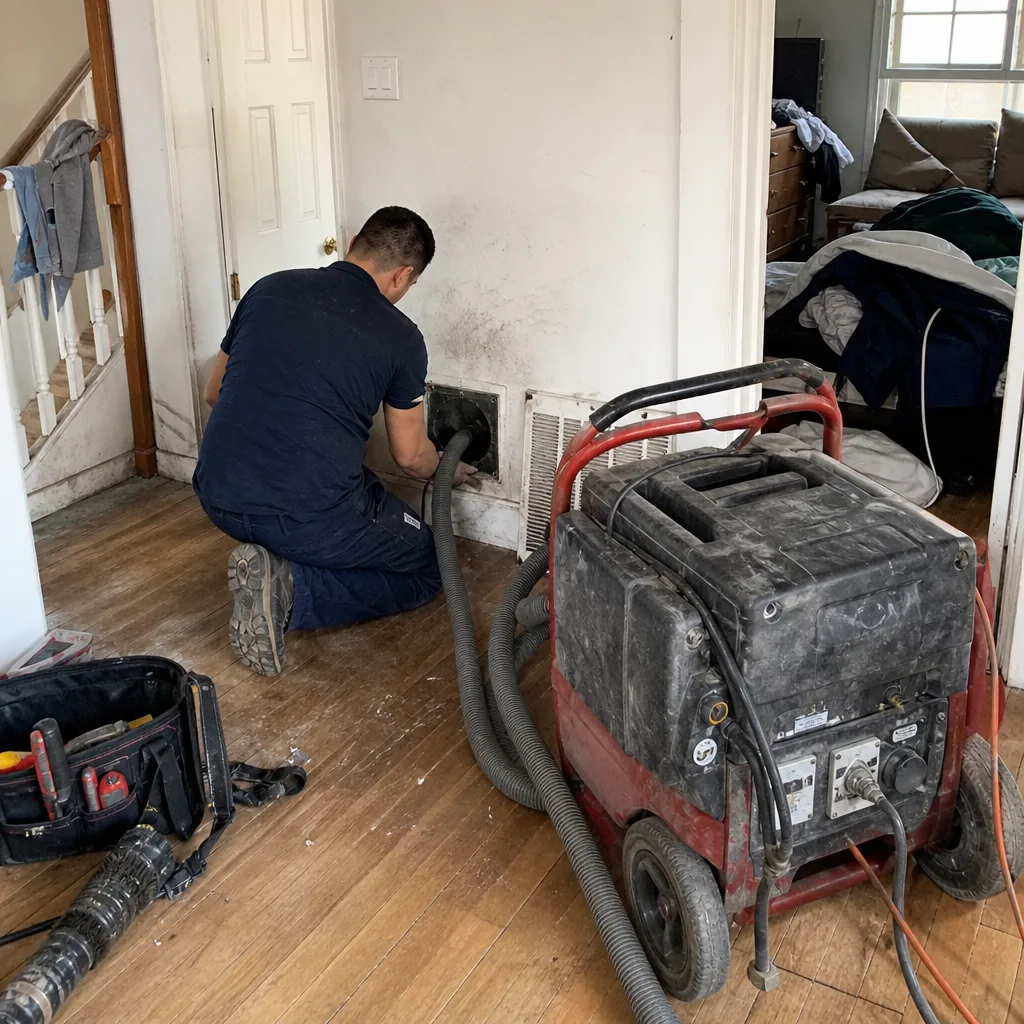 Before
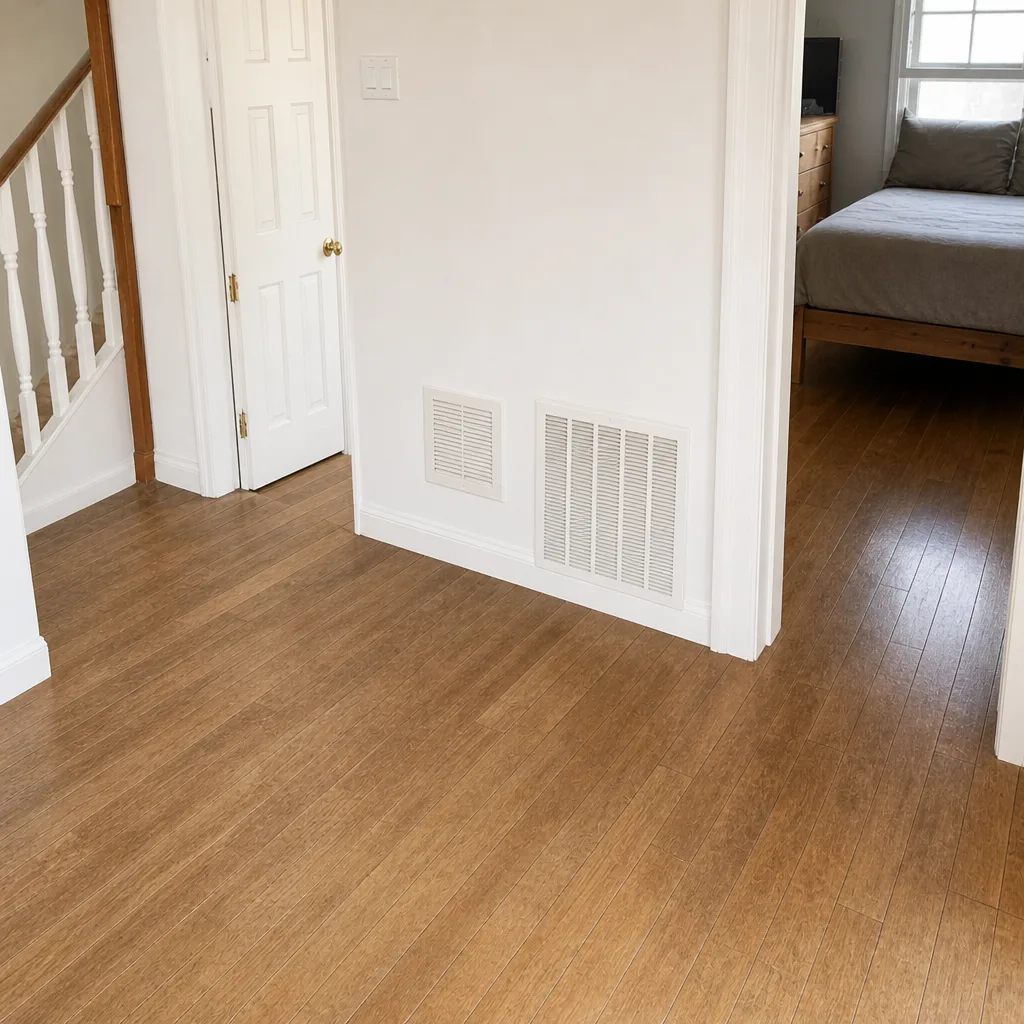 After
When to Call a Professional
Routine maintenance is on a schedule. Some conditions move the call ahead of the calendar. Call a professional when your ducts haven’t been cleaned in a documented way and you’ve just moved in, when a renovation has finished and you can see dust in the return grills, when you notice mold or a persistent musty odor anywhere in the duct pathway, when airflow at vents has dropped with no filter explanation, or when a household member with asthma or allergies is getting worse indoors. Call sooner if your dryer vent is more than a year past due and your loads are taking two cycles to dry – that’s the lint accumulation talking. Our technicians have up to 8 years of experience and carry Rotobrush and Nikro equipment, so we can inspect the whole system and give you a real read on what needs doing. Air Duct Cleaning Soundview offers free estimates in Soundview. Call (844) 630-1582. We answer 24/7.
Frequently Asked Questions
Every 3 to 5 years for a baseline household with no pets, no recent renovations, and a fresh filter kept at MERV-11 or better. Every 2 to 3 years with pets, children, older filters, or recent construction. Every 18 to 24 months for multi-pet homes or households with asthma or allergy concerns. The interval is a household-specific answer, not a universal one. Call (844) 630-1582 for an exact quote on a Soundview assessment; estimates are free.
Not necessarily – that’s the marketing default. What actually matters is your filter grade, your pet load, your renovation history, and whether you’re seeing symptoms in the return grills. Many Soundview homes run fine on a 4-to-5-year interval. Others really do need to accelerate. A diagnostic visit tells you which column you belong in, and we’ll say so honestly.
Yes, within a few months if you can’t do them on the same visit. Both systems share contamination sources – pet hair and household dust – and both accumulate silently. Dryer vents are a fire hazard when left, and ducts are an air-quality issue when left. Timing them together is a single appointment on the calendar rather than two.
Look at the return grills before and after, ask for photos of your own ducts before and after the work, and ask what the technician found during the inspection. A professional clean produces visible evidence and a written report of what was found and what was done. If a crew won’t photograph your own ducts, that’s a reason to ask questions before booking.
Teaser pricing usually means a per-vent flat rate rather than a whole-system rate, which lets the invoice grow once the technician is on site. We quote per system, agreed before work begins, so the number on the estimate is the number on the invoice. Whole-system ranges in Soundview vary by size and condition, and a written estimate settles it.
MERV-11 to MERV-13 in a 4-inch or 5-inch media configuration is the right target for most homes here. A 1-inch pleated MERV-8 is fine as a stopgap if that’s what your slot takes. The important thing is to match the filter to the housing so the filter seals, doesn’t bypass, and doesn’t starve the blower. Call (844) 630-1582 for an exact quote on a housing upgrade if your slot is loose – estimates are free.
The Bottom Line
The right duct cleaning interval is not a number you inherit from a brochure. It’s a decision that follows from your pet load, your filter grade, your renovation history, and the symptoms your return grills are showing you. Baseline households land at 3 to 5 years. Accelerated households land at 2 to 3, or sooner. Change your filter on schedule, inspect your return grills monthly, sync your dryer vent cleaning with your duct visits, and consider sanitizing on a 12-to-24-month clock depending on your indoor humidity. Then ask a professional to verify what your own ducts are showing. That’s the whole schedule, and it’s a better one than the marketing calendar. If you want to know what your Soundview ducts actually need, that’s a conversation we can have.
Air Duct Cleaning Soundview provides air duct cleaning, dryer vent cleaning, HVAC cleaning, duct repair and sealing, and air quality and sanitizing. We connect Soundview homeowners and property managers with independent local professionals who use Rotobrush, Nikro, Honeywell, Aprilaire, and Abatement Technologies equipment to inspect, clean, seal, and sanitize the full duct pathway. One flat price per system, agreed before work begins. Before-and-after photos of your own ducts. Call (844) 630-1582 for a free estimate. We answer 24/7. Fast dispatch from 7am to 7pm, Sunday through Friday.
Written by the team at Air Duct Cleaning Soundview.