
Last updated November 22, 2026
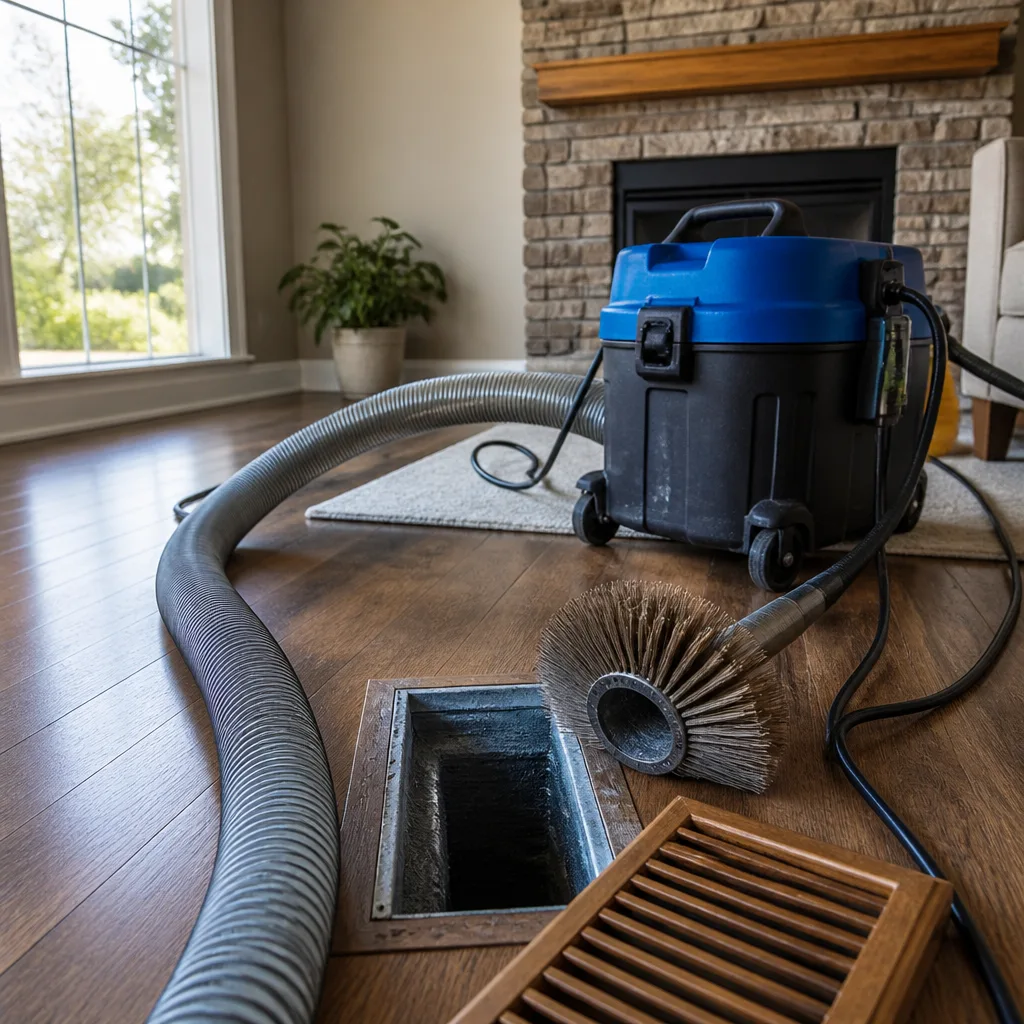 Whole-home duct cleaning
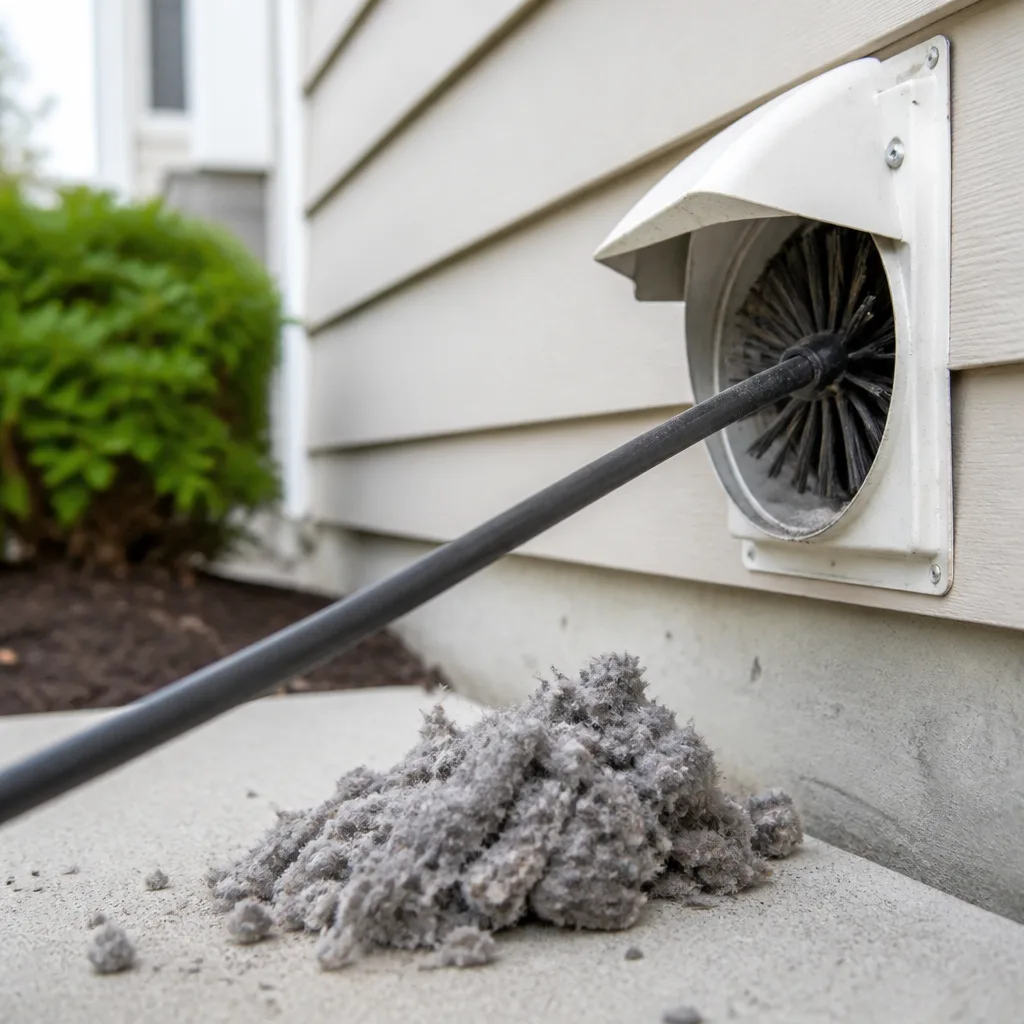 Dryer vent cleaning
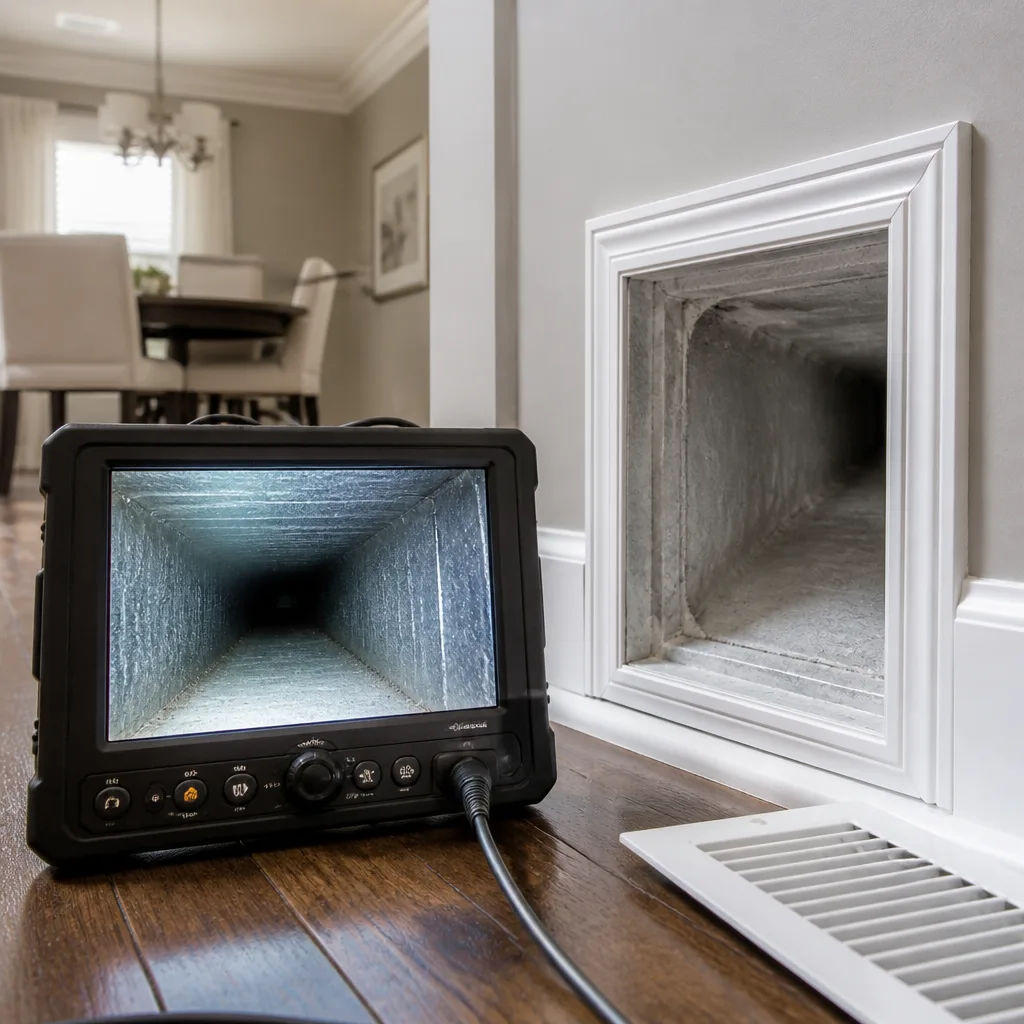 Camera inspection
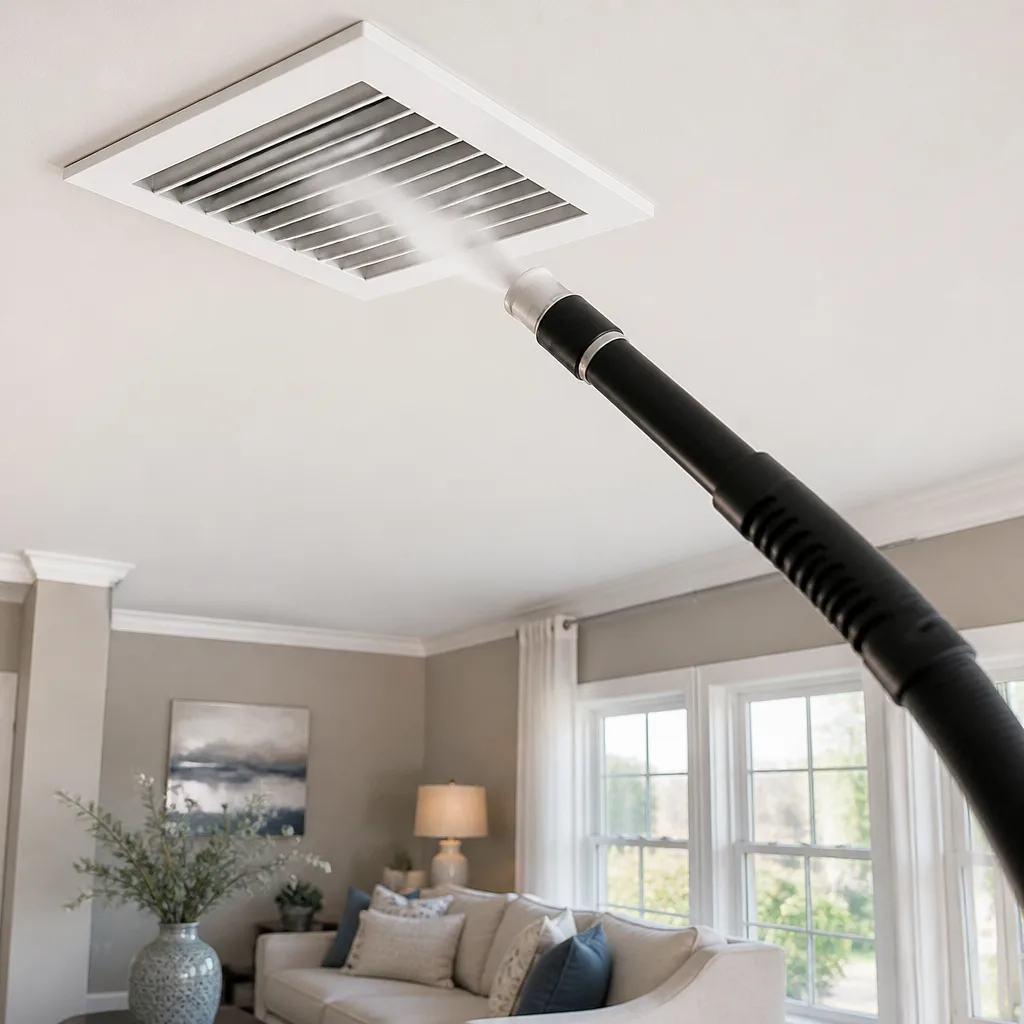 Sanitizing & deodorizing
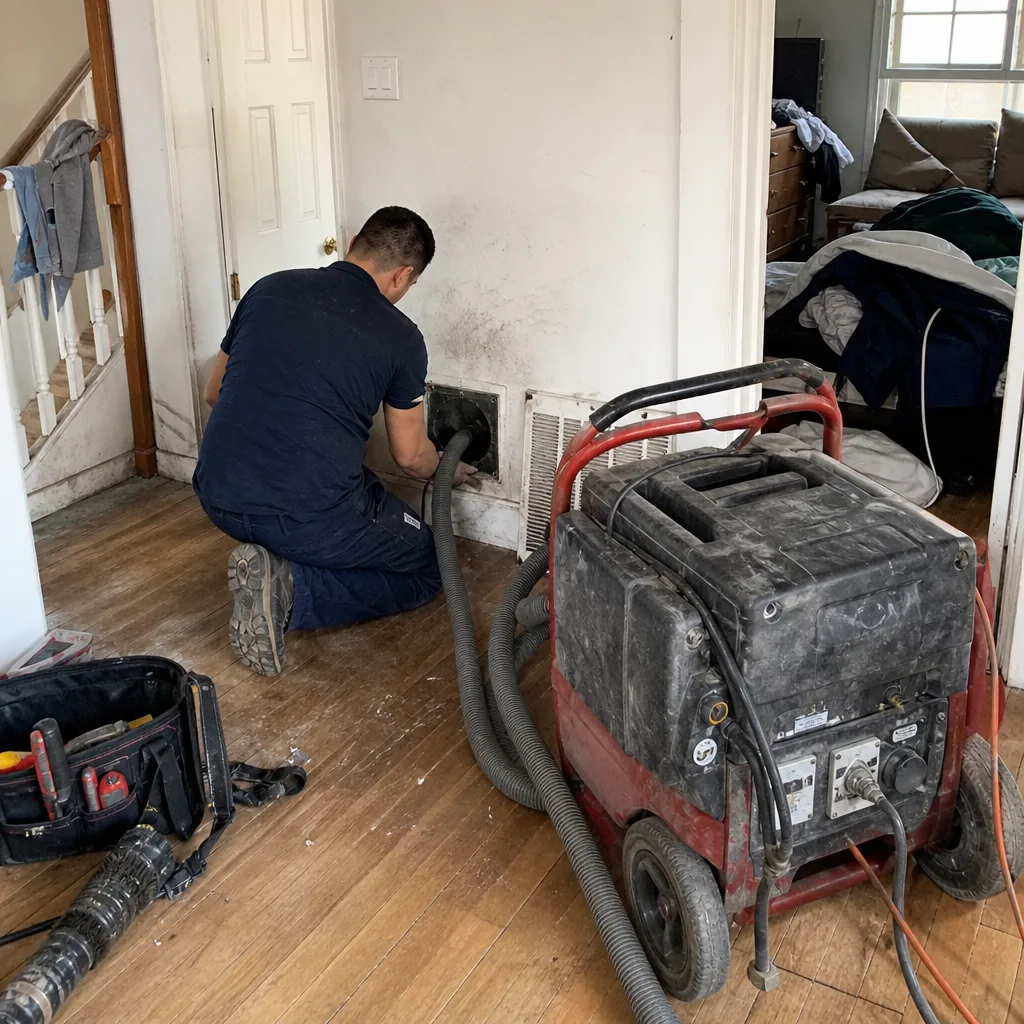
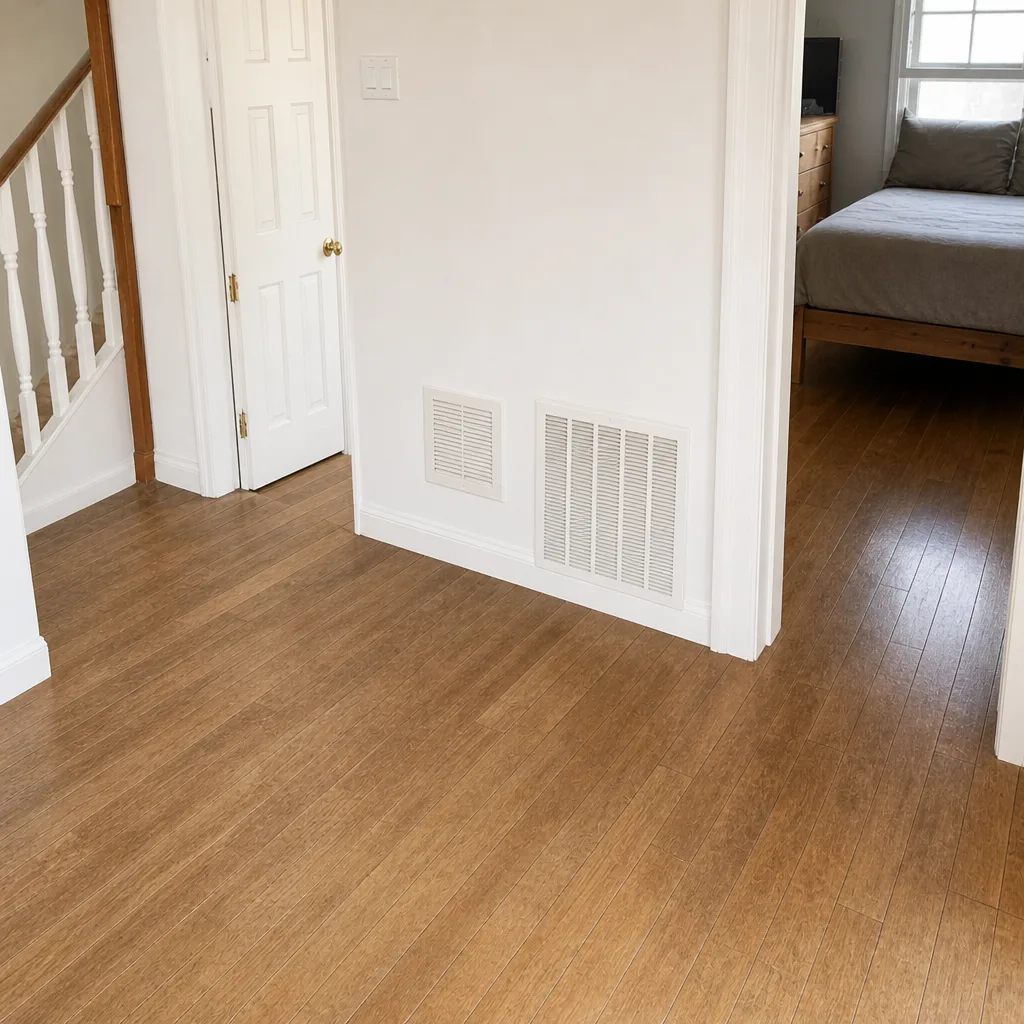
Whole-system duct and dryer vent check with before-and-after photos - you see exactly what came out of your vents
That "$99 whole-house special" is a bait ad - the real number appears once they are in your hallway, or the "clean" is a shop-vac at the register. We photograph the inside of your ducts before and after instead.
Seasonal Air Duct Cleaning Care for Soundview: Year-Round Homeowner’s Guide
Most homeowners treat duct cleaning as a spring chore, something to knock out alongside washing the windows. In Soundview, that timing misses the point. By the time you open the windows in April, your ducts are already holding a winter’s worth of combustion byproducts from the heating system, mineral scale blown off a whole-house humidifier, and dust that cold-weather living pressed into the return-air runs. Spring cleaning the rooms while the ducts still carry that inventory just pushes it back into the air you just freshened. This guide walks through what each season loads into a Soundview duct system and how to time professional cleaning to the two moments a year when it actually pays off.
Quick Answer
Seasonal duct cleaning in Soundview works best on a two-service-per-year schedule tied to your HVAC’s mode changes, not the calendar: one cleaning in the window between heating season ending and air conditioning starting, and one in early fall before the first heating cycle. Winter is for inspection, not cleaning. Summer is the highest mold-risk season because of condensation on cooling coils. Cleaning more often than twice a year rarely helps; cleaning at the right two points does.
Styles & brands we work with
- Whole-home duct cleaning
- Dryer vent cleaning
- Camera inspection
- Sanitizing & deodorizing
Table of Contents
- Why Duct Contamination Follows a Seasonal Pattern in Soundview
- Winter: When to Inspect Instead of Clean
- Spring: The High-Impact Cleaning Window
- Summer: The Moisture Problem Nobody Expects
- Fall: Blower Inspection and Filter Timing
- Building a Two-Service-Per-Year Schedule
- Soundview Neighborhoods and What Changes the Timing
- Common Mistakes to Avoid
- When to Call a Professional
- Frequently Asked Questions
Why Duct Contamination Follows a Seasonal Pattern in Soundview
A duct system is not a sealed box. It’s a pathway that pulls whatever is in the surrounding air into a loop, and the surrounding air in Soundview changes character four times a year. Winter air is dry and combustion-heavy. Spring air carries pollen and grit off every green space and tree canopy. Summer air is humid. Fall air is the settling season, when everything the system pulled in over the warm months drops out of suspension and lands on duct walls.
That matters because duct contamination isn’t a single thing. It’s several categories of material, and each category peaks at a different time:
- Combustion particulates. Gas and oil heating systems produce fine particulates that enter the return-air stream. In Soundview, where heating season runs long and homes stay closed up through it, these concentrate over the winter and have nowhere to go.
- Biological growth. Mold and mildew need moisture. The cooling coil produces moisture in summer. That’s when growth risk peaks.
- Pollen and outdoor grit. Infiltration through return leaks and open-window season pulls in pollen, especially near the tree-heavy green spaces around Pugsley Creek Park.
- Settled dust. The bulk of what you’ll find in a return duct in Soundview is ordinary household dust that consolidated over one season and re-suspended in the next.
The implication is straightforward. Cleaning once a year, whenever you get around to it, removes one category and leaves the others. Cleaning twice, at the two moments when one season’s load is about to hand off to the next, removes the whole year’s accumulation in two passes instead of chasing it forever.
We use Rotobrush and Nikro equipment on every job, the same systems commercial contractors run, because Soundview homes vary a lot in duct design and a consumer-grade vacuum won’t agitate the caked material that builds up in older galvanized runs. If you’re new to the topic, our air duct cleaning overview covers the fundamentals before you get into timing.
Winter: When to Inspect Instead of Clean
January is a poor month to clean ducts and a good month to inspect them. Cleaning in the depth of winter means you’re pulling material out of a system that’s about to be loaded again by three more months of heating cycles. You’ll get a cleaner duct for a few weeks and then watch it fill back up. What makes sense in winter is a targeted inspection, so you know what you’re dealing with before spring.
What winter does to your ducts
Two forces are working on Soundview duct systems from November through March. Gas heat produces fine combustion particulates, which enter the return-air stream and settle onto duct walls. And reduced ventilation, because the house is closed up, means indoor moisture has fewer escape routes. In a home running a whole-house humidifier, the mineral scale that blows off the humidifier pad becomes part of the dust load too. That scale is heavier than typical dust and it settles faster.
The result is a duct system that, by March, holds a compacted layer of mixed material: combustion residue, humidifier scale, and dust that cold-weather living drove into the returns.
What a winter inspection should cover
- Check the return-air grilles for visible dust buildup or a dark film on the register frame.
- Look for condensation or moisture streaks around the cooling coil cabinet, even though the system is idle.
- Note any musty smell from a supply register when the blower cycles. Odor is a better indicator of biological growth than anything visible.
- Record the condition of your filter and how quickly it darkened. A filter that loads in three weeks instead of six is telling you the return side is dirty.
- Confirm the humidifier is not leaving scale on the return plenum or the immediate ductwork.
If the inspection finds heavy buildup or odor, our team can look deeper, but the cleaning itself waits until the heating season ends. Inspecting now and scheduling the work for the spring window is the pattern that pays off. If you also run a dryer that’s overdue, winter is a good time to book a dryer vent cleaning alongside the spring duct appointment, since lint accumulates all winter.
Spring: The High-Impact Cleaning Window
There’s a specific window each spring in Soundview, roughly the few weeks between the last real heating day and the first real air conditioning day. That window is when duct cleaning has its maximum impact for the year. Miss it and the next cleaning has to fight twice the material.
Why this specific window matters
During the shoulder season, both systems are idle. The heating system has finished loading the returns with combustion residue, and the AC hasn’t started pulling pollen-laden outside air through the coil and into the ducts. Cleaning right then means you remove the winter load before the humid, pollen-heavy summer air has a chance to combine with it. The system you enter into cooling season with is the cleanest it will be all year, which is exactly when you want it cleanest because summer is when mold risk peaks.
What pollen infiltration means for homes near Pugsley Creek Park
Soundview homes close to the greenspace around Pugsley Creek Park have a specific spring problem. The tree canopy and parkland produce a heavy pollen load, and any return-duct leak in a home nearby will pull that pollen in. Pollen particles are small enough to follow the return airstream, but they clump when they hit the moisture film on duct walls. What you end up with is a spring pollen load glued to a winter residue of dust and combustion particles. Cleaning before the AC starts is the only time this spring is easy to remove, because once the AC is running and the system is humid, the clumped pollen becomes part of the growth substrate.
This is one reason we check for and address compromised ductwork rather than just cleaning it. Duct repair and sealing are separate services for exactly this reason: a return leak keeps pulling pollen and unfiltered outdoor air in, and no amount of cleaning fixes a leak. Once the spring cleaning is done, sealing the leaks preserves the result all the way through cooling season.
If you want to confirm whether the timing fits your home, call (844) 630-1582. We answer 24/7. Fast dispatch from 7am to 7pm, Sunday through Friday.
Summer: The Moisture Problem Nobody Expects
Summer is the highest mold-risk season in a Soundview duct system, and the reason has nothing to do with outdoor humidity. It’s condensation on the cooling coil. As the AC runs, the evaporator coil drops well below the dew point of the return air, and moisture condenses out of the airstream onto the coil and the immediate ductwork. That condensate has to drain, and where it doesn’t drain cleanly, you get the environment biological growth needs: standing or persistent moisture, a warm dark duct, and a dust film to feed on.
Where the moisture problem usually starts
- A clogged or partially blocked condensate drain that lets water pool in the coil cabinet.
- A dirty evaporator coil that holds moisture and dust against a warm duct surface.
- Duct insulation inside the plenum that stays damp because of a poorly fitted cabinet or a leak that lets humid air in.
- A return duct that pulls humid outdoor air through a leak and delivers it directly to the coil.
Once growth takes hold, the ducts are distributing spores through every room. Homeowners in Soundview often first notice this as a musty smell when the AC first kicks on, not as visible mold.
What to do about it in July and August
Cleaning a duct system in peak summer without addressing the moisture source just resets the problem. The order matters:
- Identify and correct the moisture source: clear the condensate drain, inspect the coil, seal any return leak feeding humid air to the coil.
- Clean the affected ductwork and the coil cabinet thoroughly, because cleaning a moist system without drying it is wasted work.
- Sanitize the cleaned surfaces. We use Abatement Technologies air-purification equipment for this, the same grade of equipment used in remediation work, which is the main difference between a surface wipe-down and genuine sanitizing.
- Add an air-quality solution for the long term if growth recurring is likely. Honeywell and Aprilaire products installed as a whole-home solution extend the result well past a single service call.
If the musty smell is already there, don’t wait for fall. Call (844) 630-1582 and get the moisture source identified before it spreads. Our HVAC cleaning page covers what gets cleaned on the air-handling side in more detail.
Fall: Blower Inspection and Filter Timing
The fall cleaning is the one homeowners most often skip, and it’s the one that prevents the worst of the winter load. The job of fall cleaning is to enter heating season with a clean distribution system, a blower that isn’t caked in dust, and a filter that isn’t already half-loaded.
Why the blower inspection matters in fall
Through cooling season, the blower pulls humid, dust-laden air across its wheel. By the end of summer, the blower wheel can hold a significant dust film, and that film imbalances the wheel and cuts airflow. When heating season starts, that blower has to push warm combustion-heated air through a distribution system that still holds the summer’s settled dust. If you turn the heat on without cleaning first, the first heating cycle distributes that settled dust into every room, and it lands in the same ducts it came from.
A proper fall visit covers:
- Cleaning the blower wheel and air-handling cabinet before the first heating cycle.
- Cleaning the supply and return ducts so the settled summer dust is gone.
- Confirming the filter is the right MERV rating for the equipment and is fresh, so the first months of heating season run protected.
- Confirming duct seams and connections are intact, since heating season air is drier and can find leaks that summer humidity masked.
Timing the fall visit
Book the fall visit before you typically switch the heat on, not after. In Soundview that means pushing the appointment into early fall rather than waiting for the first cold snap, because once heating season starts and the system is cycling daily, you’re cleaning a system that’s already begun distributing the load you meant to remove. Pairing the fall duct cleaning with a routine air duct cleaning check is the natural rhythm.
Building a Two-Service-Per-Year Schedule
The best schedule isn’t a calendar date. It’s aligned to the two moments when your HVAC system changes mode. Those are the points where contamination hands off from one season to the next, and they’re the same two points where cleaning removes the most material for the least trouble.
The two anchors
- Spring anchor: after heating season ends and before the first extended AC use. Cleaning here removes the winter load before the humid summer begins.
- Fall anchor: after cooling season ends and before the first extended heating use. Cleaning here removes the summer settlement before the heat distributes it.
Why not just clean more often
Cleaning more than twice a year rarely helps a reasonable duct system and can, in the wrong conditions, do more harm than good if the cleaning is done without addressing a moisture or leak source. What actually improves results is less about frequency and more about timing and completeness. A thorough two-service schedule with a properly cleaned blower, sealed ducts, and a correct filter outperforms four superficial cleanings. If you’re curious about frequency in general, the honest answer is that it depends on what your system is doing between the two anchors.
Adjusting the schedule for your home
Some Soundview homes need a tweaked rhythm. Homes with pets, residents with allergies, or homes near heavy canopy that see a lot of pollen might benefit from an intermediate inspection between the two cleanings. Homes with a humidifier need the humidifier pad and the return scale checked more than once. Older homes with galvanized ductwork and more seams have more places for dust to pack into, so the fall cleaning is the one not to postpone. A short conversation about your specific system is the fastest way to know, and our team can give you a free estimate on where you stand.
Soundview Neighborhoods and What Changes the Timing
Soundview covers enough variation in housing type and surrounding environment that the same two-anchor schedule lands slightly differently from one part of the neighborhood to another. Nothing about the core timing changes, but where your home sits shifts which season carries the heavier load.
Homes near the tree canopy and greenspace around Pugsley Creek Park see a heavier spring pollen load and a correspondingly busier spring anchor. The return-duct leaks that pull outdoor air in are worth checking there. Homes on the more built-up, traffic-heavy blocks see more of the fine particulate that settles out of the airstream and ends up in the return ducts over winter, which makes the fall anchor the more important one. Homes closer to the water where the neighborhood opens toward the shoreline tend to stay slightly more humid through cooling season, and those are the ones where the summer moisture question deserves an inspection even between the two main cleanings. Newer construction with tight envelopes holds less outdoor infiltration but can trap indoor-sourced dust and moisture, making proper ventilation between the two anchor cleanings more of a factor. Older housing stock with more duct seams and less insulation on the duct run means the fall cleaning is the one to guard against skipping. The differences are real, but they shift the emphasis rather than the schedule.
In each case, the fix is the same: know what your system is doing and time the visit accordingly. None of that requires more cleanings, just the right two.
Common Mistakes to Avoid
- Cleaning in the middle of heating season. You pull the winter load out and then reload it for three more months. Spring and fall are the anchors; winter is for inspection.
- Skipping the fall cleaning and going straight into heat. The first heating cycle distributes settled summer dust before the system gets cleaned. The dust ends up back where it started.
- Cleaning without fixing the moisture source in summer. In Soundview’s cooling season, cleaning moist ductwork without addressing the cooling coil, condensate drain, or return-duct leak just resets the problem to recur within weeks.
- Ignoring return-duct leaks near parkland. Homes near Pugsley Creek Park that never seal their return leaks keep pulling pollen and unfiltered outdoor air into the duct system no matter how clean the ducts are. Sealing is part of the fix.
- Using a consumer vacuum and calling it cleaning. Shop vacuums and consumer-grade machines won’t agitate caked duct material. Professional equipment from Rotobrush and Nikro is what actually releases and captures it.
- Choosing a filter by price instead of MERV rating. The wrong-rated filter either starves the blower for airflow or lets more through than it should. Match the rating to the equipment.
- Sanitizing without cleaning first. Applying sanitizer to a dirty duct doesn’t work; the soil is still there to feed regrowth. Clean, dry, then sanitize, in that order.
When to Call a Professional
Some of this you can inspect yourself, and knowing your home’s rhythm is worth the effort. But specific signals mean it’s time to have the system professionally assessed. Call if you smell a musty odor from any supply register when the blower kicks on, especially in summer. Call if anyone in the home with allergies or asthma notices symptoms that track the cooling season. Call if a filter is darkening much faster than it used to, or if airflow at the registers has visibly dropped. Call if you can see dust streaks around return grilles or find a dark film on register frames, and call if the cooling coil cabinet has ever shown standing moisture or a clogged condensate drain. Each of those points to a cause that seasonal cleaning alone may not solve without addressing the source.
Air Duct Cleaning Soundview offers free estimates in Soundview. Our technicians have up to 8 years of experience, and we cover the full duct system, from the dryer vent through the HVAC plenum, so you’re not coordinating two or three contractors across the two anchors. Call (844) 630-1582. We answer 24/7. Fast dispatch from 7am to 7pm, Sunday through Friday.
Frequently Asked Questions
Twice a year for most Soundview homes, timed to the two HVAC mode changes rather than fixed calendar dates: once between heating season and cooling season, and once between cooling and heating season. Homes with pets, allergies, or heavy dust load may benefit from an intermediate inspection, but the two-anchor schedule is the baseline.
Both matter, because each removes a different season’s load. Spring cleaning removes the winter combustion residue and humidifier scale before the AC starts and before humid air combines with it. Fall cleaning removes the summer’s settled dust before the first heating cycle distributes it. Skipping either means you’re cleaning twice as much material at the next visit.
Because of condensation. The cooling coil runs below the dew point of the return air, and moisture condenses onto it and the immediate ductwork. Where that condensate persists, because of a clogged drain or a leaky cabinet, you get the moisture, warmth, and dust film that biological growth needs. That’s why summer is a season for inspection and moisture correction more than for routine cleaning. Call (844) 630-1582 for an exact quote if you smell mustiness when the AC kicks on. Estimates are free.
Ask for before-and-after photos of your own ducts, not stock images. A technician should be able to show you the visible change in the return ducts and the blower wheel, and explain what was found and removed. We take photos on every job for exactly this reason. If a provider won’t show you the ducts they cleaned, that’s a signal. Call (844) 630-1582 for an estimate.
Because a cheap quote often covers a surface vacuum of the visible registers rather than the full distribution system, the blower, the coil cabinet, and the return trunks. Proper equipment matters too: professional Rotobrush and Nikro systems release and capture caked material that a shop vacuum can’t. A cheap quote that doesn’t agitate the ducts leaves the buildup where it started. Call (844) 630-1582 for an exact quote on what your home actually needs.
Sometimes yes, and a professional assessment is how you know. Return-duct leaks pull unfiltered outdoor air and pollen into the system, which is why homes near Soundview’s parkland especially benefit from sealing. Cleaning a leaking system without sealing the leaks means the result won’t hold through the season. Duct repair and sealing are a separate service for that reason.
The Bottom Line
The right way to care for Soundview ducts isn’t to clean more, it’s to clean at the two points a year that actually matter. Winter is for inspection, not cleaning: note what’s building up. Spring is for the high-impact cleaning that clears winter residue before the humid cooling season. Summer is for managing moisture on the cooling coil, which is where the real mold risk sits. Fall is for blower inspection and cleaning before the first heating cycle distributes settled summer dust. Anchor both visits to your HVAC’s mode changes rather than arbitrary dates, seal the leaks that let the outside back in, and use equipment that actually releases the buildup. If you want the schedule tailored to your home, we’re a call away.
Call (844) 630-1582 for a free estimate. We answer 24/7. Fast dispatch from 7am to 7pm, Sunday through Friday.
Written by the team at Air Duct Cleaning Soundview.
See the difference
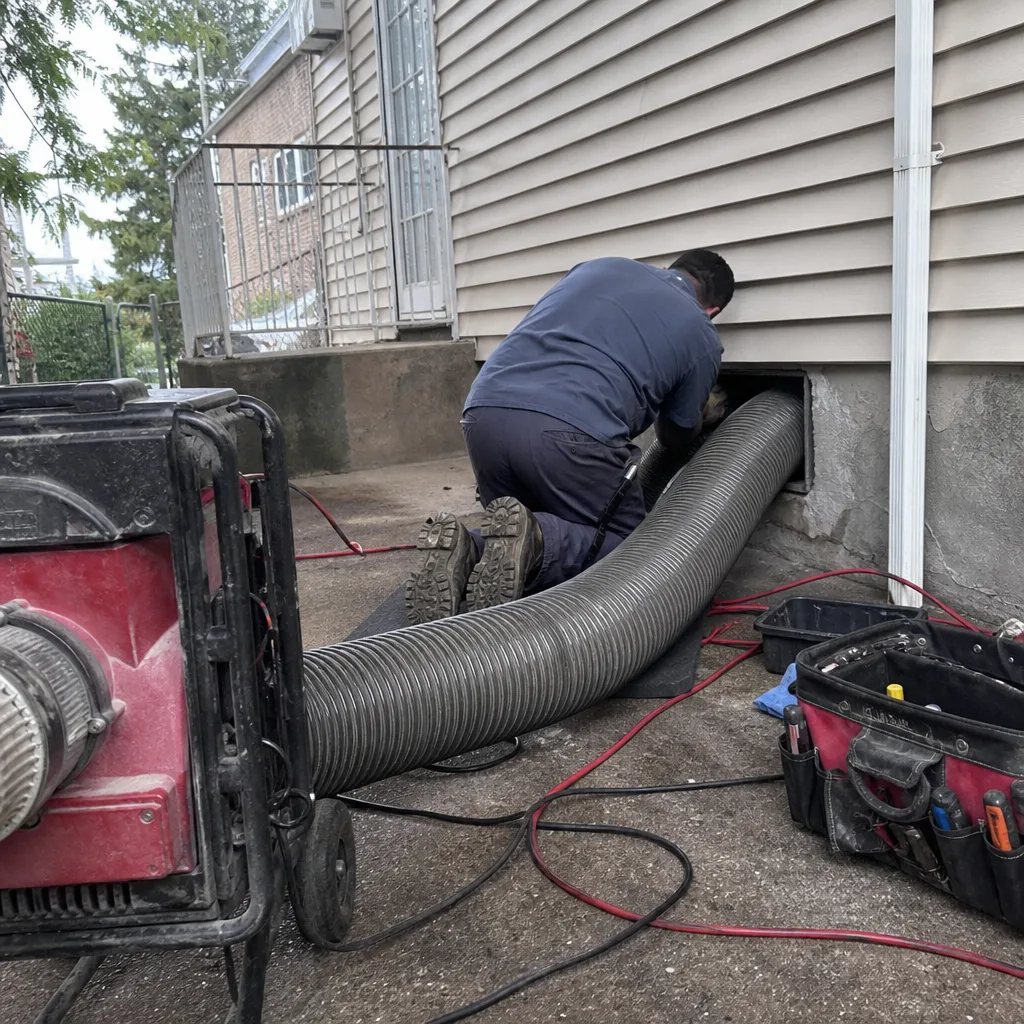 Before
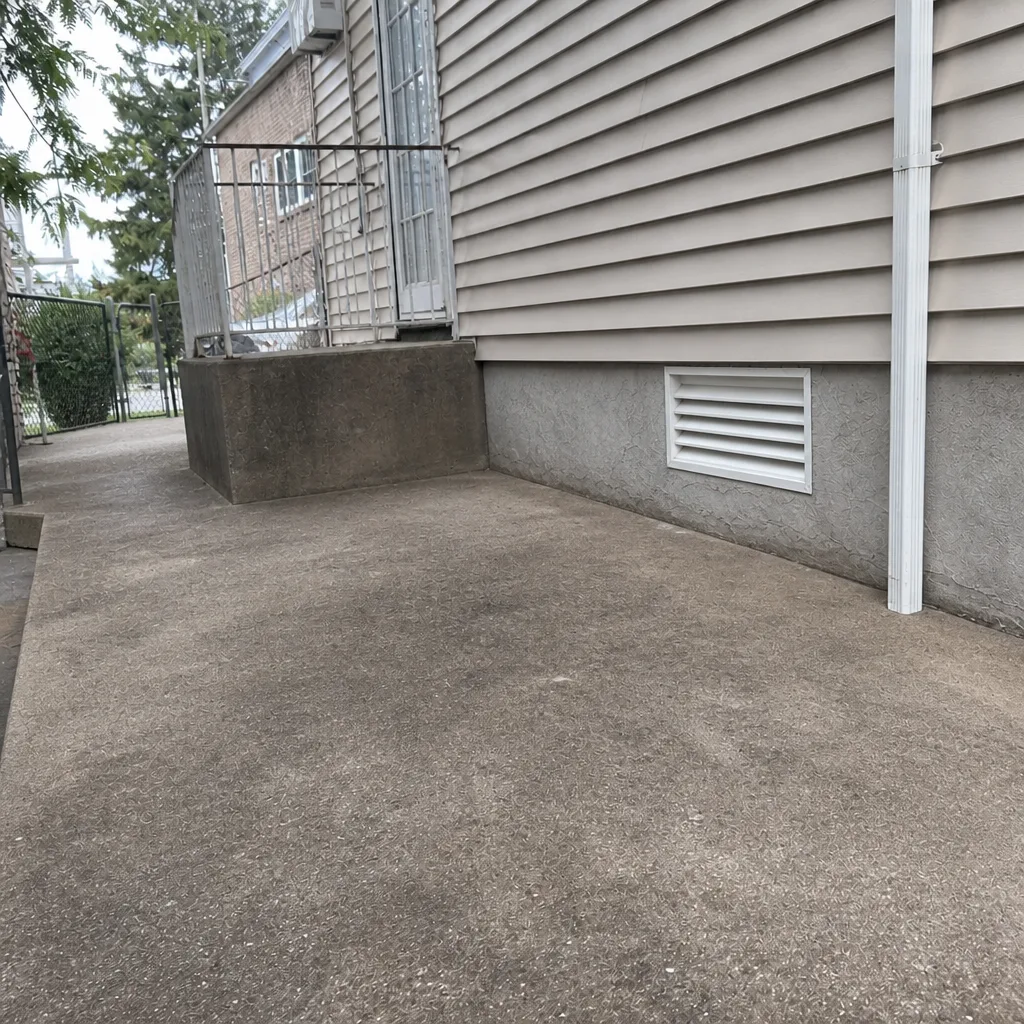 After
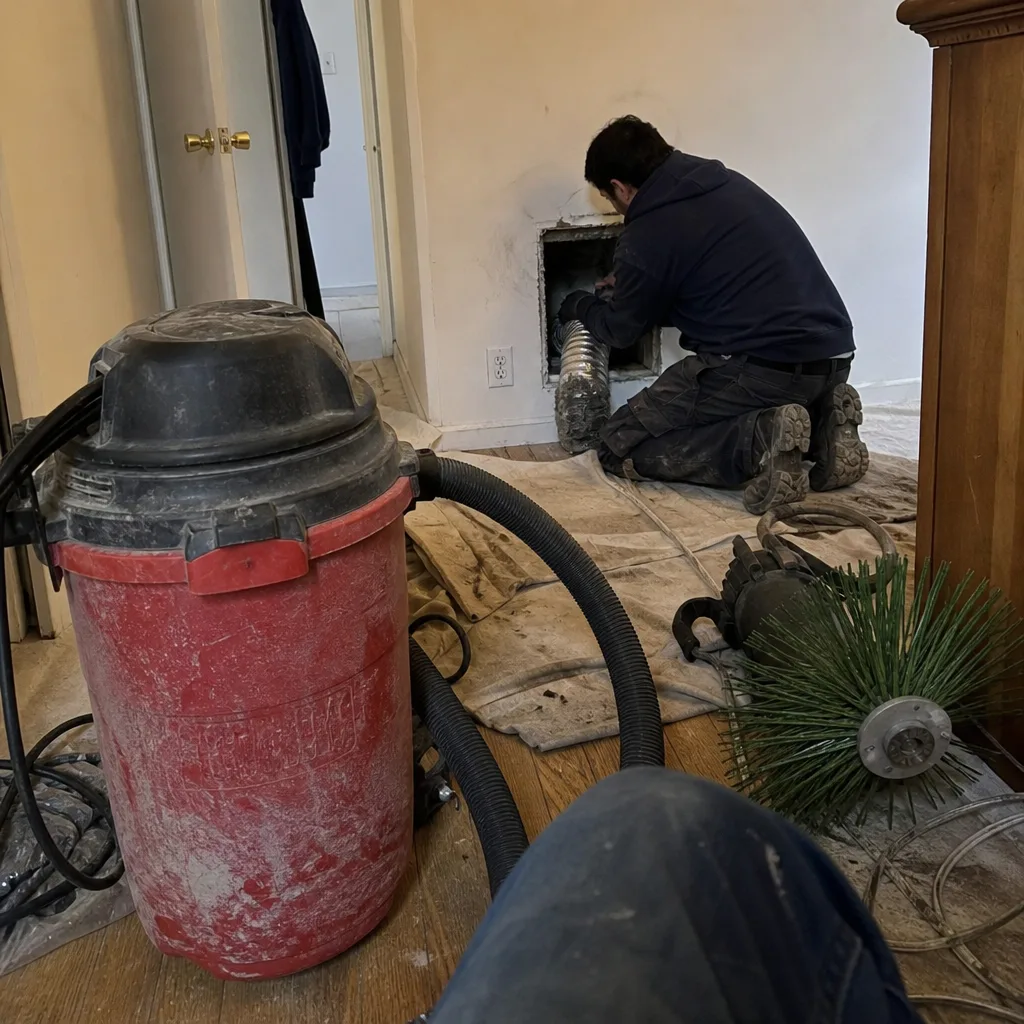 Before
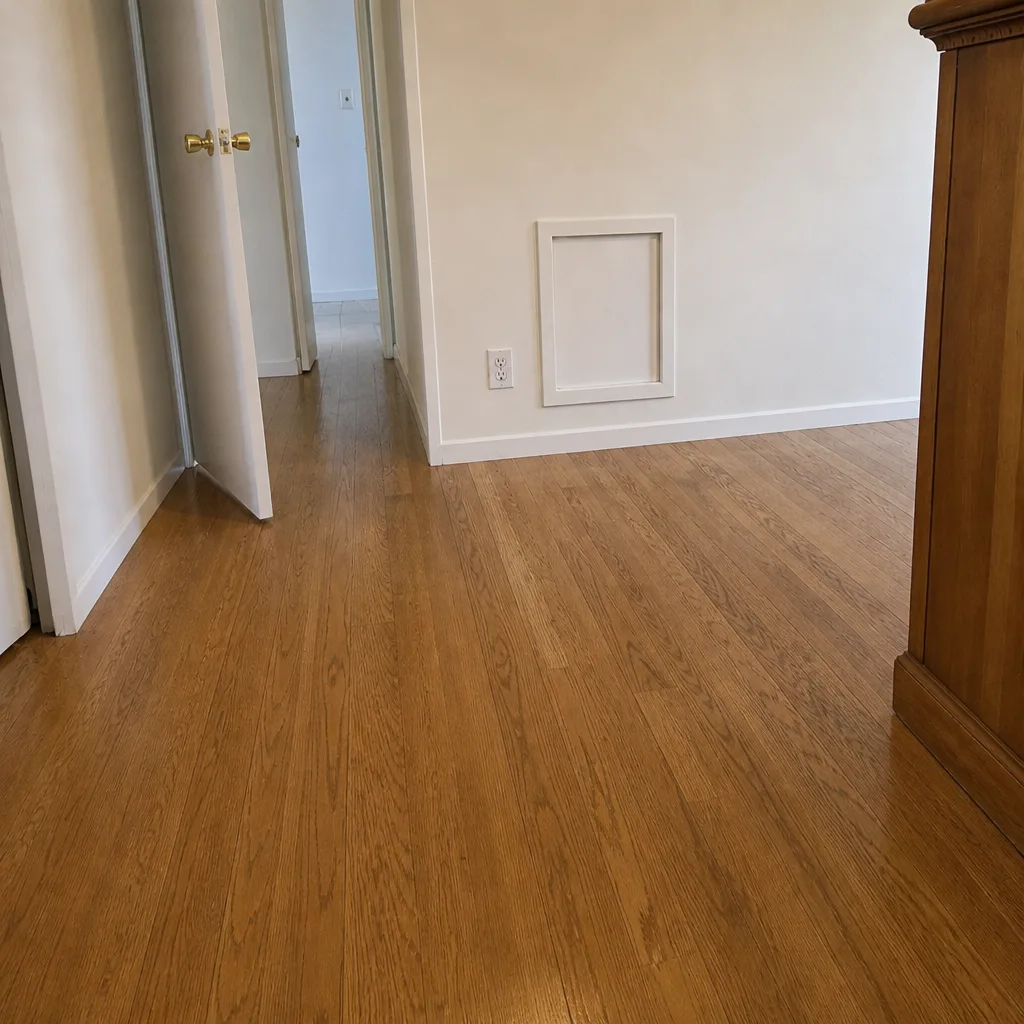 After
 Before
 After