
Last updated November 22, 2026
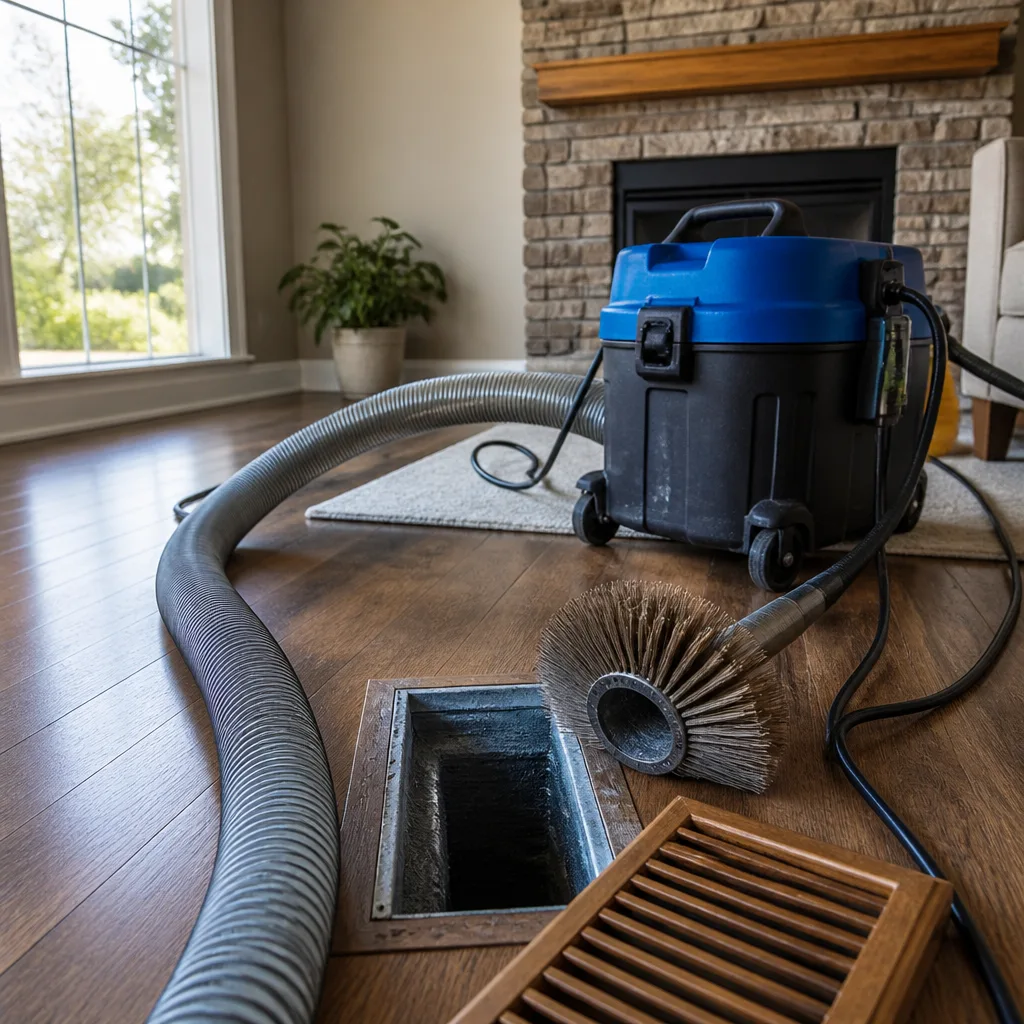 Whole-home duct cleaning
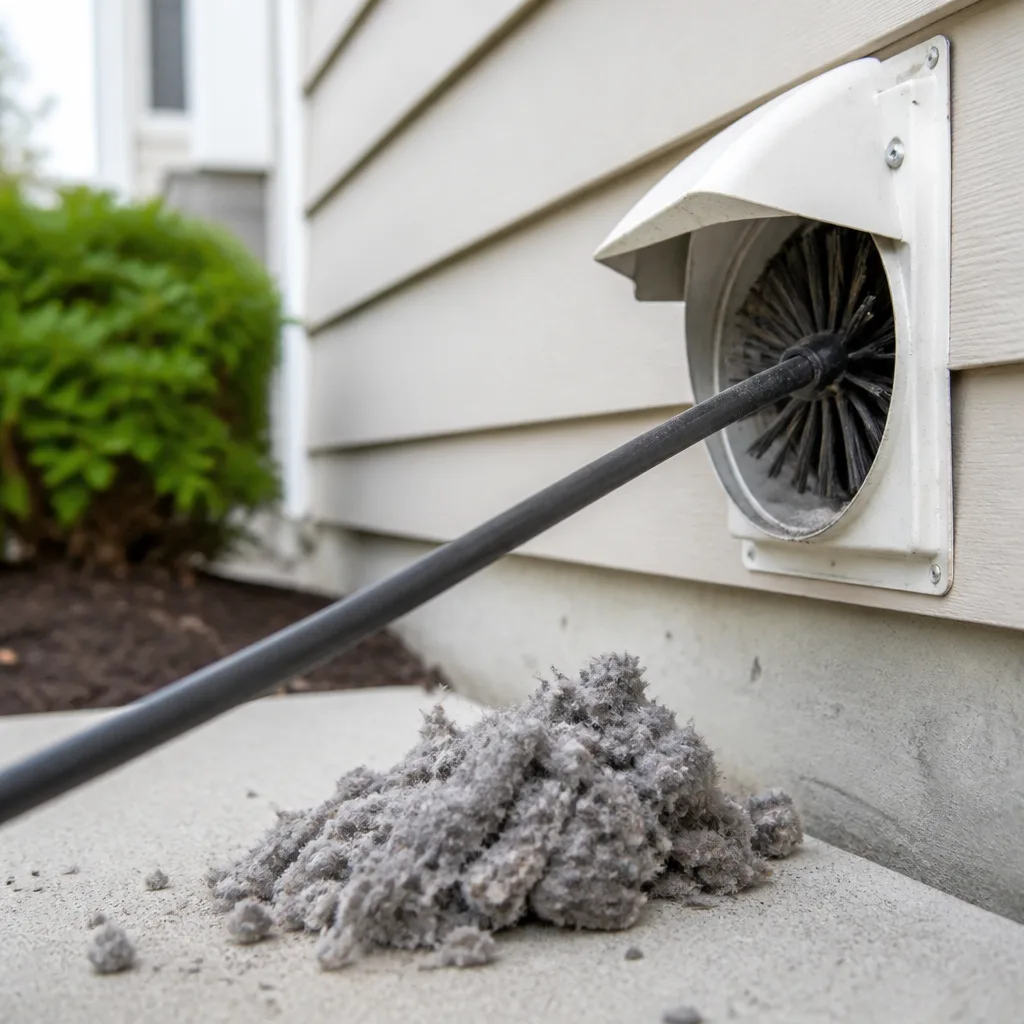 Dryer vent cleaning
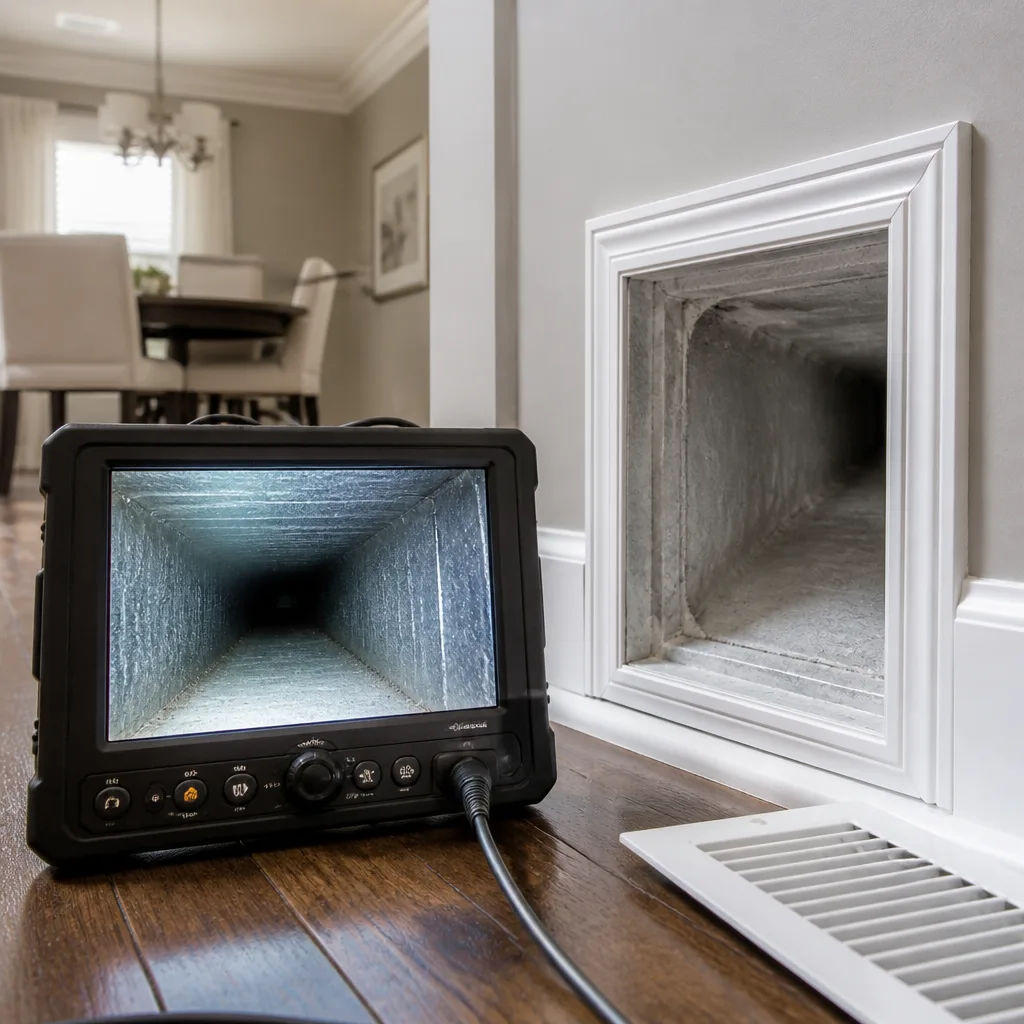 Camera inspection
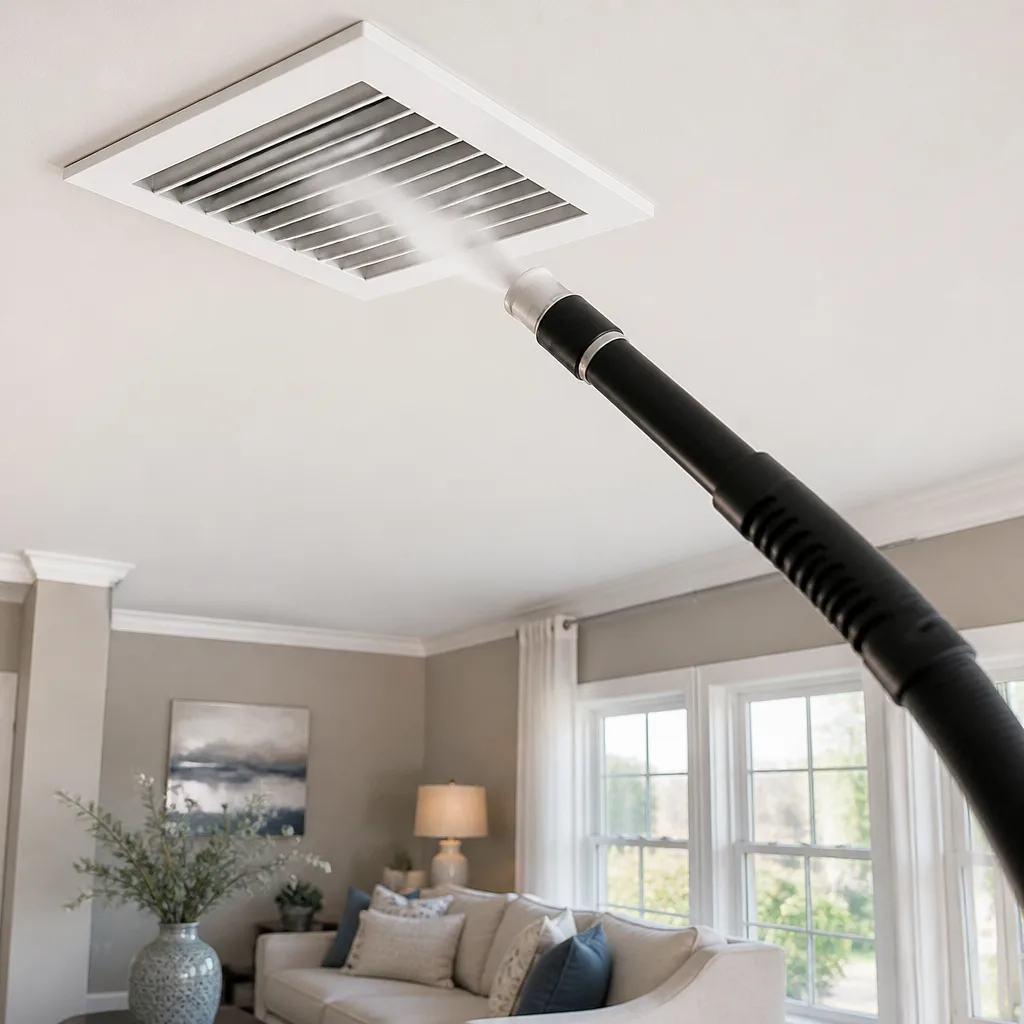 Sanitizing & deodorizing
Whole-system duct and dryer vent check with before-and-after photos - you see exactly what came out of your vents
That "$99 whole-house special" is a bait ad - the real number appears once they are in your hallway, or the "clean" is a shop-vac at the register. We photograph the inside of your ducts before and after instead.
Air Duct Cleaning Emergency Preparedness Guide for Soundview Homes
After a kitchen fire, most homeowners open the windows and wipe down the counters. Here’s the part that gets missed: if the HVAC system was running during the fire, or turned on afterward, it has already pulled smoke particles and soot into every branch of the ductwork, including bedrooms on the far side of the apartment. The same is true for flood water and mold. Your ducts become the delivery system for whatever is in the air, and that changes what “cleaning” means in an emergency. This guide walks through the first hour, the insurance paperwork, the Soundview flooding patterns that matter, and how to tell an emergency-capable duct contractor from a scheduled-service cleaner.
Quick Answer
After any smoke, flood, or mold event in Soundview, shut off the HVAC system first and keep it off until the ductwork has been inspected; running it spreads contaminants to every room. Emergency duct response is a containment and documentation job before it’s a cleaning job, which means stopping the spread, photographing the scope, and capturing air quality readings for your insurer. Call (844) 630-1582 for a free estimate. We answer 24/7. Fast dispatch from 7am to 7pm, Sunday through Friday.
Styles & brands we work with
- Whole-home duct cleaning
- Dryer vent cleaning
- Camera inspection
- Sanitizing & deodorizing
Table of Contents
- The First 60 Minutes: What to Shut Off and What Not to Run
- Smoke and Soot After a Fire: Why Ducts Spread It Everywhere
- Flood Water in Ductwork vs. Surface Water Damage
- Insurance Documentation for Duct-Related Emergency Claims
- Soundview Flooding Risk: Pugsley Creek and the Waterfront
- How to Find an Emergency-Capable Duct Contractor
- Duct Repair and Sealing After the Emergency Passes
- Preparing Your Duct System Before the Next Event
The First 60 Minutes: What to Shut Off and What Not to Run
The single most important action in the first hour is to disable the HVAC system at the thermostat and, if you can reach it safely, at the breaker. Do not run the fan, do not switch the system to “on” instead of “auto,” and do not run a window unit or portable air cleaner that pulls air through the house. Every minute the blower runs after a fire or flood is a minute it’s pushing contaminants deeper into duct runs that were previously clean.
Here’s the order we recommend:
- Turn the thermostat to off. Not to heat or cool. Off. This is the fastest way to stop the blower.
- Kill power at the breaker if the panel is in a dry, safe location. If the panel is near standing water or fire damage, leave it alone and call your utility.
- Close the return-air grilles with painter’s tape and cardboard if you can reach them. Returns pull air in; sealing them limits what re-enters the system.
- Open windows in fire situations only if the outdoor air is cleaner than indoor air, and shut them if there’s active smoke outside.
- Photograph everything before cleanup starts. More on that in the insurance section.
- Call a duct contractor who can respond to an emergency, not a scheduled cleaner whose next opening is a week out.
The reason we lead with this is simple: in our experience, the homes that end up needing the most extensive remediation are almost never the ones closest to the fire or the flood. They’re the ones where the HVAC kept running for two days while everyone waited for the insurance adjuster.
Smoke and Soot After a Fire: Why Ducts Spread It Everywhere
Smoke residue doesn’t behave like dust. Soot particles are small enough to stay airborne for hours, and the HVAC blower is essentially a particle pump that moves several hundred cubic feet per minute through the system. A fire in a first-floor kitchen can leave measurable soot deposits in second-floor bedroom supply registers within a single heating cycle. That’s why a home that looks and smells clean on the surface can still trigger headaches, coughing, and that persistent burnt smell weeks later.
What actually needs to happen after a fire:
- Full-system inspection covering every supply and return branch, not just the trunk line.
- HEPA-grade negative-air capture during cleaning so the soot you’re removing doesn’t get re-aerosolized into the living space. We use Abatement Technologies air-purification equipment for exactly this reason; it’s the standard used in remediation work.
- Mechanical agitation inside the ducts to break loose adhered soot, done with purpose-built equipment like Rotobrush and Nikro systems rather than shop vacuums.
- Sanitizing after cleaning to address the odor-causing residue that mechanical cleaning leaves behind.
- Coil and blower inspection because the evaporator coil and blower wheel collect soot like a filter.
If your home uses Honeywell or Aprilaire filtration, check the filter and any media cabinet after a fire. Those components trap soot and need replacement, not just cleaning. Once the ducts are clear, that existing filtration hardware is a real advantage.
Flood Water in Ductwork vs. Surface Water Damage
Surface water damage is visible and relatively straightforward: dry it, treat it, rebuild. Ductwork is different. Flexible duct has a foil or plastic liner over insulation, and water that enters through a flooded basement return or a soaked supply register wicks along that liner and stays trapped between layers. Rigid sheet-metal duct holds water in seams, joints, and the low points of horizontal runs. In both cases the visible water can be gone within a day while the duct interior remains damp for weeks.
That’s the window where mold colonizes. Mold needs moisture, organic material, and a bit of time. Dust and debris inside ducts supply the organic material, and flood water supplies the moisture. If the system is turned back on before the ducts are fully dried and treated, the blower distributes mold spores through every room in the house.
Here’s how flood-affected ductwork differs from surface water damage:
- Drying is slower. A wet wall dries to the studs. Duct interiors rely on airflow that you can’t run without spreading contaminants.
- Contamination is hidden. You can’t see the inside of a return trunk without a camera.
- Replacement is often required. Disposable flex duct that has been submerged is usually a write-off. Rigid duct can sometimes be cleaned and sanitized, sometimes not.
- The mold timeline is measured in weeks, not months. This is why “wait and see” is the wrong approach with flood-affected ducts in Soundview.
When we handle air duct cleaning after a flood, the inspection is the critical step. If a run is saturated, cleaning it isn’t the answer; replacement is.
Insurance Documentation for Duct-Related Emergency Claims
Most homeowner policies cover emergency remediation when it’s tied to a covered peril like a fire or sudden water intrusion, but the claim lives and dies on documentation. Duct-related claims are frequently shorted because the homeowner can’t prove the scope of the contamination. Three categories of evidence do the most work:
- Scope photos. Every affected supply and return, every grille, the air handler, the coil, and any duct sections that were removed. Photos of the registers before and after cleaning are the strongest single piece of evidence you can produce.
- Air quality readings. Particle counts taken before cleaning and after, room by room. These are what turn “it smelled smoky” into a documented condition.
- Chain-of-custody for anything removed. If a length of damaged flex duct is cut out, it needs to be logged, photographed, and retained until the adjuster releases it. Don’t throw it away, no matter how bad it smells.
Ask any contractor you hire after an emergency whether they can produce these three things on letterhead. A scheduled-service cleaner typically can’t; the workflow and equipment aren’t designed for it. We use Guardsman-branded products in our cleaning and protection protocols, and we document the same way for every emergency job so the record is complete whether or not there’s an insurance claim.
Soundview Flooding Risk: Pugsley Creek and the Waterfront
Soundview has a specific flood profile that most duct companies outside the neighborhood don’t account for. Homes near Pugsley Creek and along the Sound View waterfront have seen basement and ground-floor water intrusion during heavy rain and storm events. When water reaches a basement, it reaches the lowest return-air intake in the system, and that’s often the return trunk serving the first floor.
What that pattern means practically:
- First-floor return-air systems are the vulnerable point. Water entering at the basement return can wick up into the trunk and into the air handler before anyone notices.
- Returns run longer distances in older Soundview homes. More length means more seams, more low points, and more places for water to pool.
- Basement air handlers sitting on low platforms are exposed even in minor flooding, and the coil and blower can be compromised before you see water in the duct.
- Water intrusion that “wasn’t that bad” is the scenario where we most often find mold six or eight weeks later.
The good news is that Soundview homeowners who know this pattern can plan for it. A quick visual check of every basement return after a storm takes two minutes, and a call to a duct contractor who understands the local streetscapes is far cheaper than a full mold remediation in a home that could have been dried and treated early.
How to Find an Emergency-Capable Duct Contractor
Not every air duct cleaner can respond to an emergency. The equipment, staffing, and paperwork are genuinely different from scheduled cleaning, and most one-truck operations that advertise “duct cleaning” aren’t set up for the containment work an emergency requires. Here’s what to ask before you hire anyone after a fire, flood, or mold discovery:
- Do you have HEPA negative-air capability? If the answer is “we use a big vacuum,” walk away. Containment-grade equipment is the baseline.
- What equipment do you run inside the ducts? Professional-grade Rotobrush or Nikro systems are the standard. Consumer-grade vacuums and shop vacs can’t reach or agitate adhered soot and mold.
- Can you provide scope photos, air quality readings, and chain-of-custody documentation? Yes or no.
- Do you also do repair and sealing? Emergency jobs often reveal damaged or disconnected ducts that need more than cleaning.
- Can you take the whole system in one visit? Duct cleaning, HVAC components, sanitizing, and dryer vent should all be handled by the same provider so nothing falls between contractors during an already stressful week.
One more point that matters in Soundview: ask whether the contractor can handle the dryer vent at the same time. Dryer vents are a leading cause of residential fires, and after any fire event it’s worth having that inspected and cleaned at the same time. We offer dryer vent cleaning alongside our duct work for exactly this reason.
Duct Repair and Sealing After the Emergency Passes
Once the immediate crisis is over and the ducts are clean, the next phase is often the one that decides whether the problem stays fixed. Water intrusion, heat, and even emergency access can leave ductwork with disconnected joints, crushed sections, torn flex liner, or gaps at plenum connections. Every one of those is a path for air to escape or for unconditioned air to enter the system.
What duct repair and sealing involves after an emergency:
- Leak testing on the trunk and major branches to find where pressure is escaping.
- Mastic sealing at joints rather than tape, because tape fails within a few seasons in a hot attic or basement.
- Reconnecting or replacing crushed runs, including sections damaged by water or by emergency access through a wall or ceiling.
- Verifying the return side, because returns are where contamination and moisture enter and they’re the most often overlooked part of the repair.
This is also where we’d look at HVAC cleaning if the coil or blower was affected by smoke or moisture. Clean ducts attached to a contaminated coil simply re-contaminate the system the first time the blower runs. If your home already had Honeywell or Aprilaire air-quality equipment, that equipment is more effective once the surrounding ductwork is sealed and clear.
Preparing Your Duct System Before the Next Event
You can’t plan for a fire or a flood, but you can set up your home so the aftermath is easier to manage. A little preparation in Soundview goes further than in most places because of the local flood patterns. If you have a few minutes, note the following:
- Locate your HVAC breaker and label it clearly. In an emergency, you want to find it in seconds, not minutes.
- Photograph every return and supply grille now, while the system is clean. Before-and-after documentation is far more convincing to an adjuster when there’s a real “before.”
- Note where the air handler and coil sit relative to any basement or first-floor water path. This tells you which parts of the system are exposed.
- Check the dryer vent run at least once a year; a clogged dryer vent is a fire risk independent of anything else.
- Keep the number of a duct contractor who can respond to an emergency in the same place as your insurance paperwork.
Clean ducts aren’t a luxury product. They’re the reason a small fire or a small flood stays a small event. For more on the routine side of the same topic, our Air Duct Cleaning Soundview page spells out what a scheduled whole-system cleaning looks like.
Common Mistakes to Avoid
- Running the HVAC “to clear the smell.” This is the biggest single mistake after a fire. The blower distributes soot and smoke particles into every duct branch in the home.
- Waiting for the adjuster before shutting anything off. Insurance claims can be documented after the fact. Contamination doesn’t wait, and the mold timeline in a wet duct is measured in weeks.
- Wiping down visible surfaces and calling it done. The rooms you can see aren’t the problem. The problem is inside the ducts and at the coil, and neither is visible without a camera and proper equipment.
- Hiring the lowest quote from a scheduled-service cleaner. A shop-vac-and-shop-wipe operation can’t do containment work. In Soundview, a low quote after a flood often means the moisture and mold will still be there.
- Throwing out damaged duct before the adjuster sees it. Chain-of-custody matters. Photograph anything you cut out and hold it until the claim is released.
- Skipping the return side. Returns carry the contamination back to the air handler. Cleaning only the supply registers leaves the source intact.
- Not checking the dryer vent after a fire. Dryer vents are among the most overlooked fire risks in a home. If the ducts are being cleaned, the vent should be on the list.
See the difference
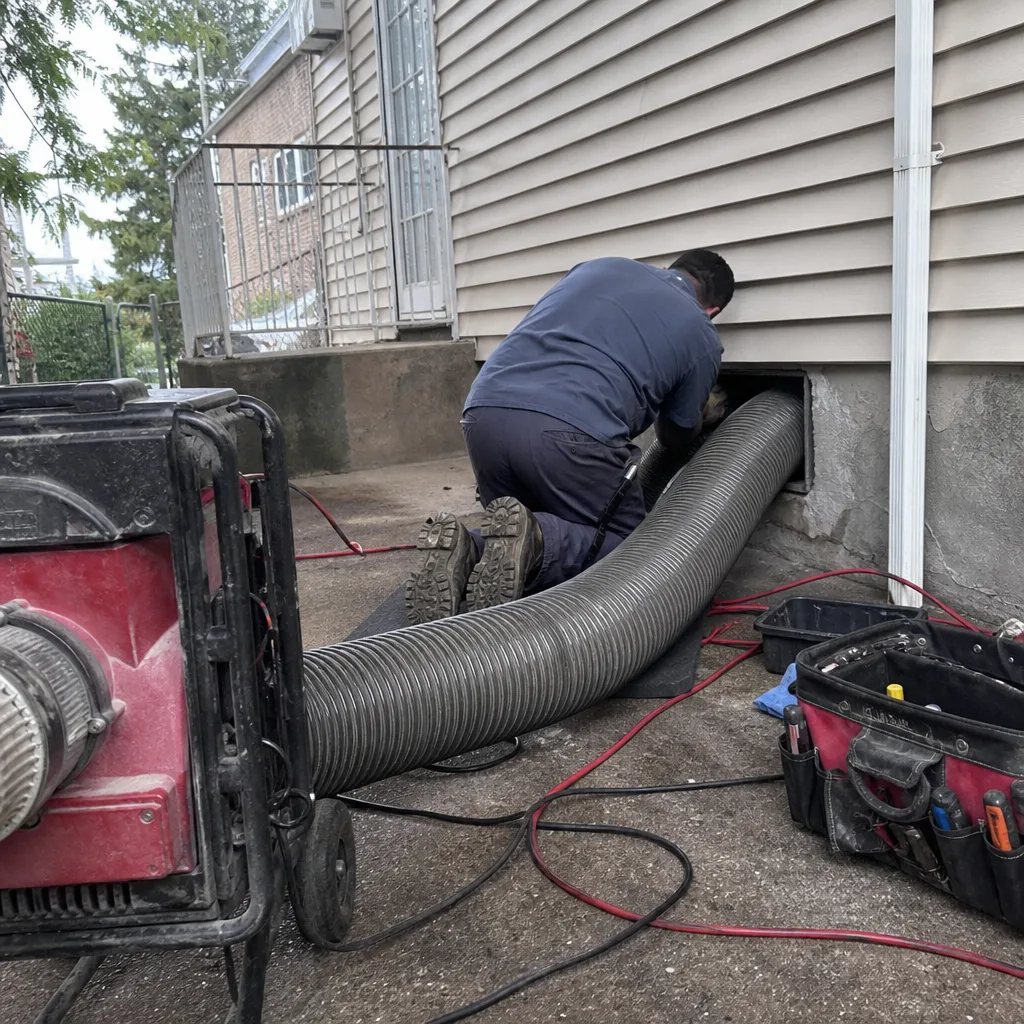 Before
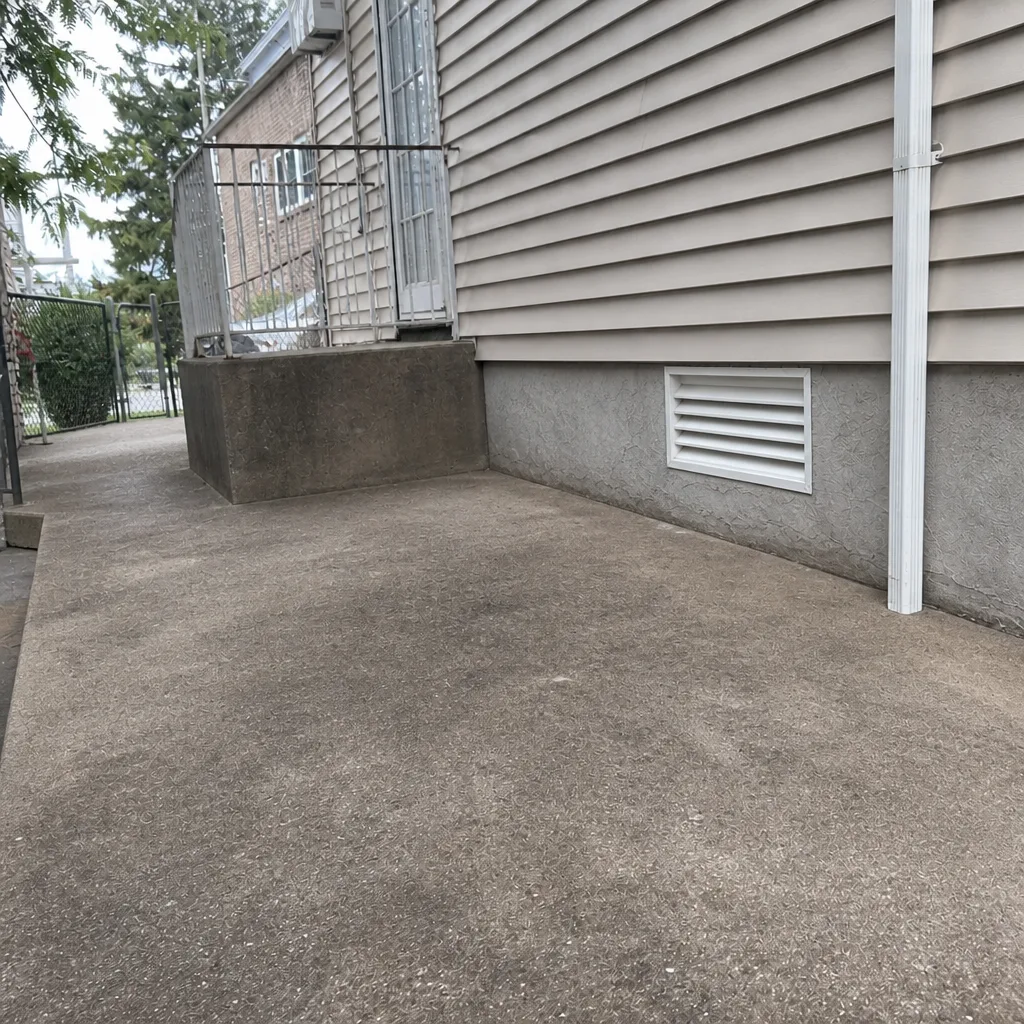 After
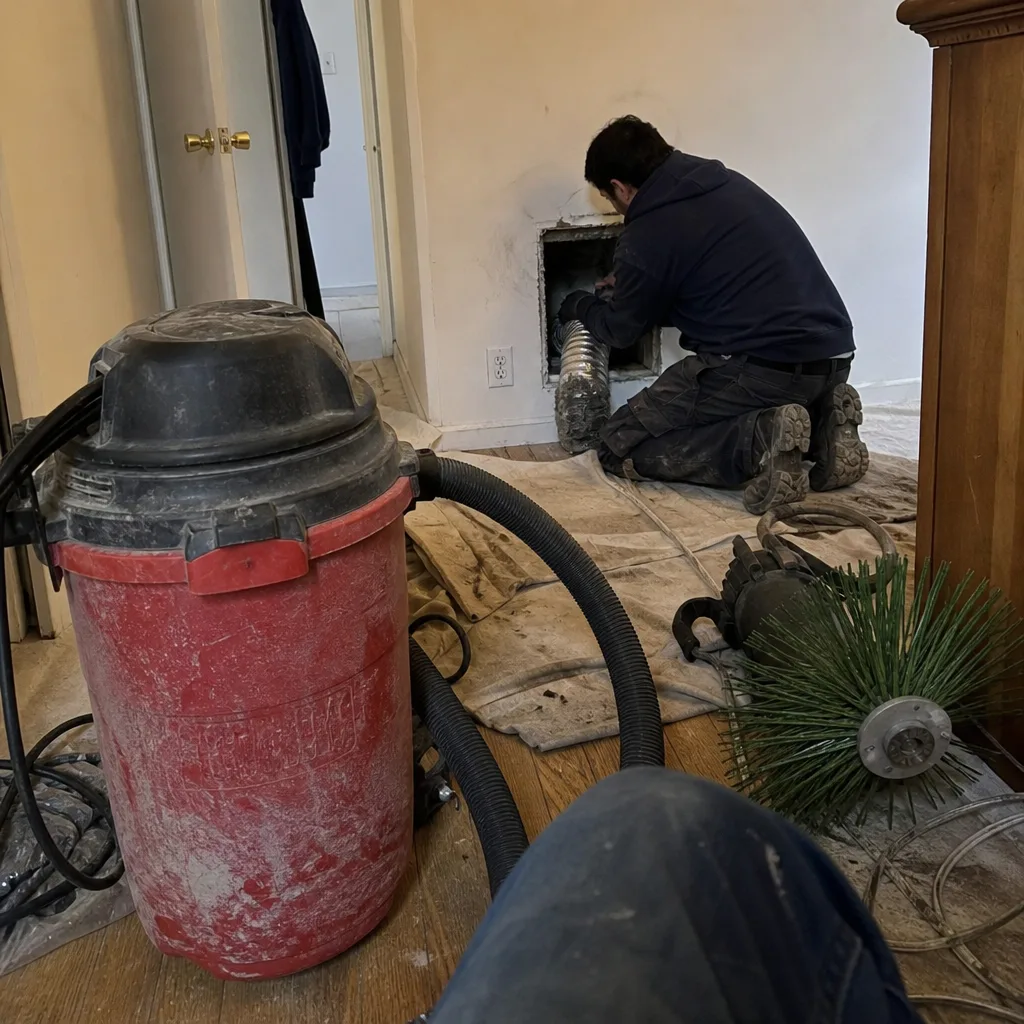 Before
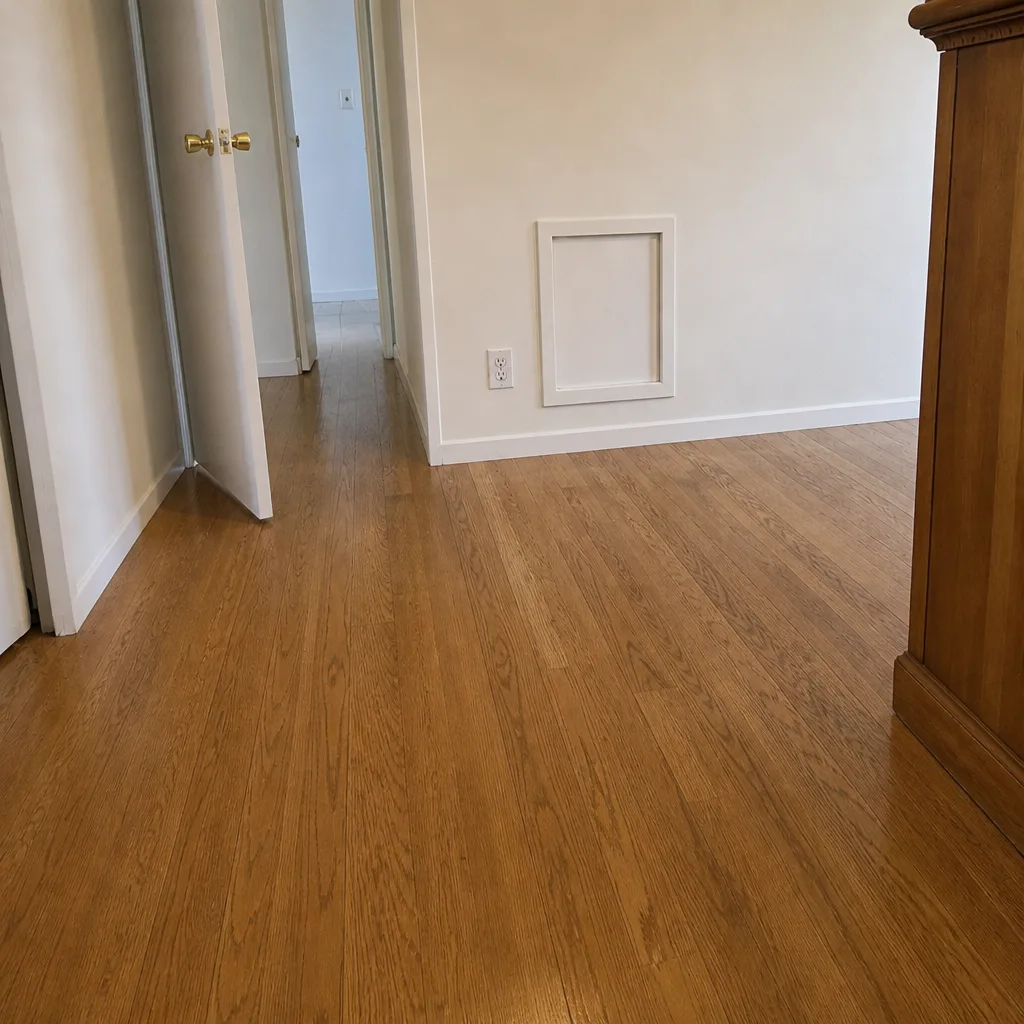 After
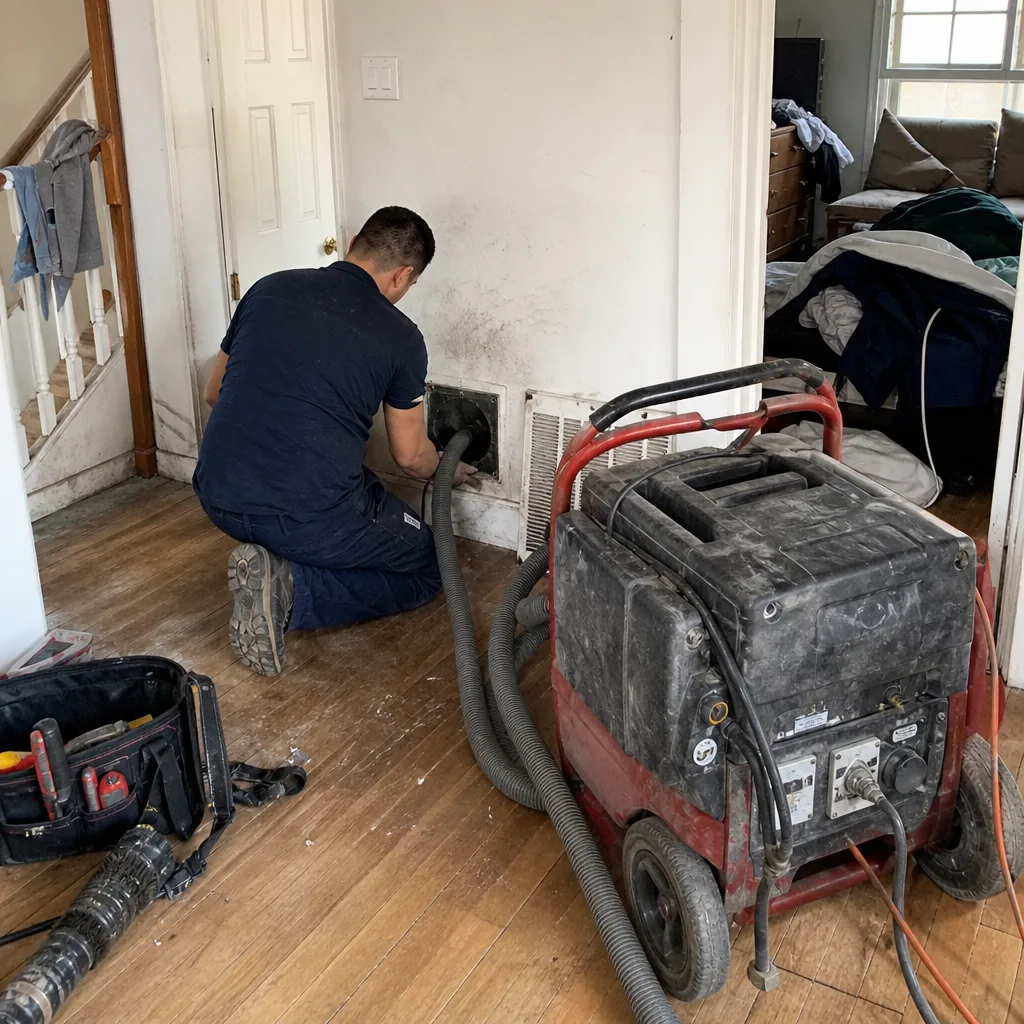 Before
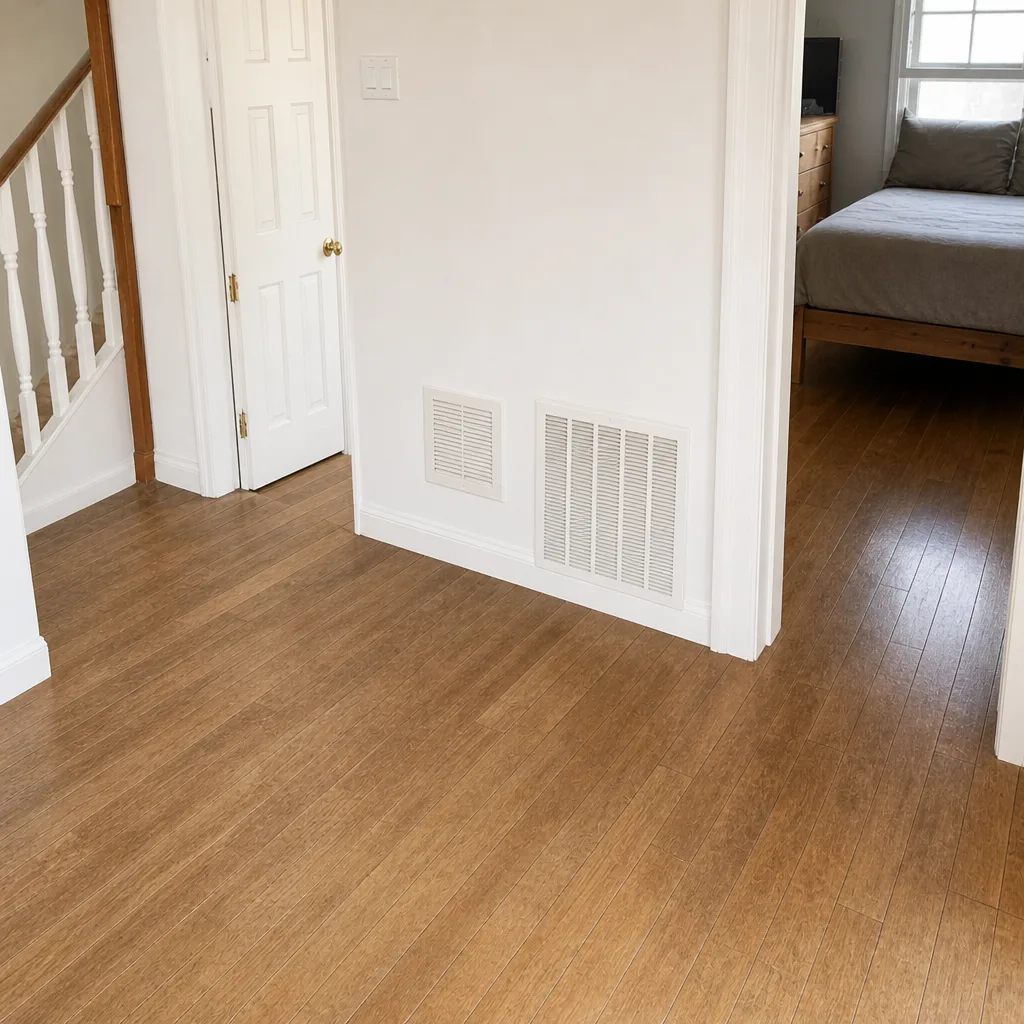 After
When to Call a Professional
Call a professional duct contractor in the following situations: any fire that involved smoke inside the home, any water intrusion that reached a basement return or ground-floor duct, any musty or mold smell that appears weeks after a flood event, any change in airflow or visible soot around supply registers, and any situation where your insurance claim involves duct contamination. A scheduled cleaning won’t address these; emergency response with containment equipment, documentation, and sanitizing will. Air Duct Cleaning Soundview offers free estimates in Soundview – call (844) 630-1582. Our technicians have up to 8 years of experience and can assess the whole system in a single visit.
Frequently Asked Questions
As soon as possible, ideally within the first few days once the fire is out and the home is safe to enter. Smoke particles are small enough to stay airborne for hours and can settle deeper into the system the longer the HVAC runs. Call (844) 630-1582 for a free estimate. We answer 24/7. Fast dispatch from 7am to 7pm, Sunday through Friday.
Yes, if the basement return-air intake or the air handler sits low enough that water came close. Water wicks along flex duct liners and can enter seams without visible standing water in the duct itself. In Soundview homes near Pugsley Creek, we regularly find moisture in first-floor return systems after basement flooding that “looked contained.”
A low quote usually means the contractor is doing a surface-level vacuum job rather than a containment-and-documentation job. Emergency work requires HEPA negative-air equipment, inside-duct mechanical agitation, air quality readings, and photo documentation. Equipment from Rotobrush, Nikro, and Abatement Technologies is what separates a real remediation from a quick clean. Call (844) 630-1582 for a straight answer on what your situation actually needs.
Most policies cover emergency remediation when it’s tied to a covered peril, but the coverage depends on documentation. Scope photos, before-and-after air quality readings, and chain-of-custody for removed materials are the three things adjusters ask for. Ask any contractor you hire whether they provide all three.
Mechanical cleaning removes the source of most of the odor, but sanitizing is what handles the residual smell. That’s why Sanitizing is a separate service category. We use Abatement Technologies air-purification equipment for remediation-grade work, and Guardsman-branded products in the cleaning protocols. Call (844) 630-1582 to talk through your specific situation.
Yes, after any fire event it’s worth having the dryer vent inspected and cleaned in the same visit. Dryer vents are a leading cause of residential fires and rarely get checked during a duct job. Combining both is more efficient and covers the full duct ecosystem in one call.
The Bottom Line
The lesson of every fire, flood, and mold emergency is the same: your ducts are the fastest path for contamination to reach every room in the home, and the first hour of response determines how much work the recovery will take. Shut the system off first. Document before cleanup. Choose a contractor who has the equipment and paperwork for emergency work, not just the schedule for a routine cleaning. Soundview homeowners have a specific advantage if they plan for the local flood pattern near Pugsley Creek and along the waterfront. If you’re dealing with an event now, call (844) 630-1582 for a free estimate. We answer 24/7. Fast dispatch from 7am to 7pm, Sunday through Friday.
Written by the team at Air Duct Cleaning Soundview.